

Motmot

ホオジロカンムリヅル 対 ホオカザリヅル

Balearica regulorum 対 Grus carunculatus

ホオジロカンムリヅルとホオカザリヅルのクイズ
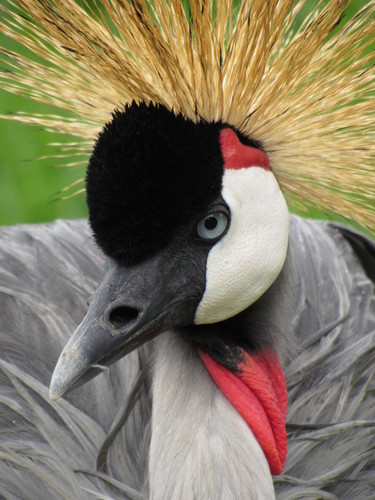
ホオジロカンムリヅル (Balearica regulorum) ホオジロカンムリヅル
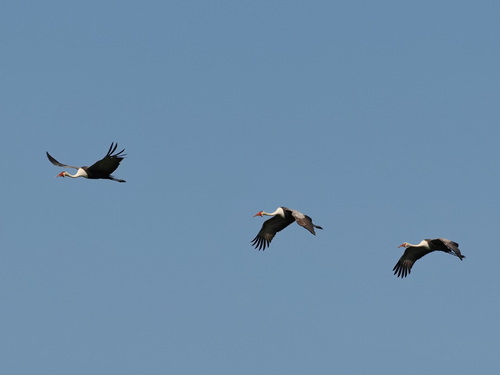
ホオカザリヅル (Grus carunculatus) ホオカザリヅル

メディア

読み込み中…

要点

ホオジロカンムリヅルとホオカザリヅルを区別する最も信頼できるフィールドマークは、ホオジロカンムリヅルの頭にある硬い羽毛の目立つ金色の冠であり、ホオカザリヅルには決して存在しません。飛んでいるときや休んでいるとき、ホオジロカンムリヅルは主に灰色の体羽に白い頬の斑点と明るい赤い喉の袋を示しますが、ホオカザリヅルははるかに大きく、主に白い首と上胸、暗いスレート色の冠、そしてくちばしの下に特徴的なぶら下がるワットルがあります。幼鳥も異なります:若いホオジロカンムリヅルは灰色がかり、顔はバフ色ですが、幼鳥のホオカザリヅルは黄褐色で、裸の赤い顔の皮膚や目立つワットルがありません。サイズは強い手がかりです—ホオカザリヅルはホオジロカンムリヅルよりもかなり背が高く、重いですが、金色の冠は最も迅速なフィールドチェックとして残ります。

識別のコツ

  1. 硬い羽毛の金色の冠(成鳥のホオジロカンムリヅルのみ): 金色の冠を見たら、それはホオジロカンムリヅルです。ホオカザリヅルはどの年齢でもこの特徴を示しません。
  2. 白い頬の斑点と赤い喉の袋(ホオジロカンムリヅル): 明るい白い頬とくちばしの下にある赤い膨張可能な袋を探してください。ホオカザリヅルは白い首と上胸を持っていますが、頬の斑点と袋がありません。
  3. 長くぶら下がる白いワットル(成鳥のホオカザリヅル): ホオカザリヅルは喉からぶら下がる長い羽毛のワットルを持ち、目の前には裸の赤い斑点があります。ホオジロカンムリヅルはワットルがなく、羽毛の頬を持っています。
  4. 冠の色: ホオジロカンムリヅルは金色の冠を持ち、ホオカザリヅルの冠は暗いスレートグレーで、白い首に溶け込んでいます。
  5. 幼鳥の色: 若いホオジロカンムリヅルはバフ色の顔を持つ灰色ですが、幼鳥のホオカザリヅルは黄褐色で、裸の赤い顔の皮膚やワットルがありません。
  6. くちばしの形: ホオカザリヅルは長く鋭いくちばしを持ち、ホオジロカンムリヅルのくちばしは短く灰色です。
  7. 体の色: ホオジロカンムリヅルは主に灰色で、白と金色の翼の斑点があります。ホオカザリヅルは背中と翼が灰色で、白い首と上胸、黒い下胸と尾の覆羽を持っています。
  8. 脚: 両方とも長い黒い脚を持っていますが、ホオカザリヅルの脚は相対的に長く、より細いです。
  9. サイズ: ホオカザリヅルはホオジロカンムリヅル(約1 m、3.5 kg)よりもはるかに背が高く重い(最大175 cm、9 kg)です。これは、鳥が並んでいるときやスケールがわかっているときにのみ使用してください。
  10. 休息行動: ホオジロカンムリヅルは木に止まっているのが見られることがありますが、ホオカザリヅルは常に地面に止まります。
  11. 生息地: ホオジロカンムリヅルはサバンナ、野原、湿地で見られ、水から遠く離れていることもありますが、ホオカザリヅルは湿地と氾濫原に制限されています。
  12. ディスプレイ: 派手なダンス、お辞儀、ジャンプはホオジロカンムリヅルに典型的であり、ホオカザリヅルにはありません。
  13. 声: 轟音とホーンの呼び声はホオジロカンムリヅルの診断的な特徴です。ホオカザリヅルの声はあまり特徴的ではなく、ここでは説明されていません。
  14. 群れのサイズ: 両方とも群れを形成できますが、ホオカザリヅルの群れははるかに大きくなることがあります(最大89羽以上)。
  15. 顔の皮膚: ホオカザリヅルの成鳥は目の前に裸の赤い斑点を持ち、ホオジロカンムリヅルは羽毛の白い頬を持っています。

大きさ

ホオカザリヅルはアフリカで最も大きなツルであり、150〜175 cmの高さ(最大5フィート9インチ)、230〜260 cmの翼幅、6.4〜9 kgの重さです([wikipedia])。ホオジロカンムリヅルは約1 mの高さ(3フィート3インチ)、2 mの翼幅、3.5 kgの重さで、はるかに小さいです。距離があっても、ホオカザリヅルのより大きな高さと体格、特に長い首と脚は明らかです。両種とも長い脚を持っていますが、ホオカザリヅルの脚は相対的に長く、より細いです。一緒に見た場合、サイズの違いは明白ですが、単独の鳥には注意が必要です—羽毛と頭の特徴を確認に使用してください。

羽色

行動

ホオジロカンムリヅルは、頭を下げたり、ジャンプしたり、赤い喉の袋を膨らませたりする派手なダンスのディスプレイで有名です。両性別と未成熟の個体も参加し、これらのディスプレイは繁殖期だけでなく一年中行われることがあります。ホオカザリヅルはあまり表現が豊かではなく、そのような派手なダンスについての言及はありません。両種は繁殖期以外に群れを形成することがありますが、ホオカザリヅルの群れははるかに大きくなることがあります(最大89羽以上)。ホオジロカンムリヅルは、長い後趾のおかげで木に止まることができるツルの中で独特であり、ホオカザリヅルは厳密に地面に止まります。食事行動は似ています(雑食性で、しばしば草食性の哺乳類と関連しています)が、ホオジロカンムリヅルは草原や耕作された田畑を歩いているのが見られることが多く、ホオカザリヅルは湿地により結びついています。

生息環境

ホオジロカンムリヅルは、サハラ以南のアフリカ全体の乾燥したサバンナ、草の平地、耕作地、川や湖の近くの湿地で最もよく見られます。適応力があり、時には水から遠く離れたさまざまな開けた生息地で見られます。一方、ホオカザリヅルは湿地と草原の専門家であり、特に東アフリカと南アフリカで見られます。大きく浅い湿地や氾濫原から遠く離れていることはまれで、その存在は水位に密接に関連しています。乾燥した野原や木に止まっているツルを見た場合、それはほぼ確実にホオジロカンムリヅルです。深い湿地や洪水の草原にいる場合、特に南アフリカでは、ホオカザリヅルの可能性が高くなります。

声

ホオジロカンムリヅルは、赤い咽頭嚢を膨らませることによって生成される轟音の呼び声を持ち、他のツルのトランペットの呼び声とはかなり異なるホーンの音も出します。ホオカザリヅルの声は詳細には説明されていませんが、ホオジロカンムリヅルの特徴的な轟音とホーンが欠けています。フィールドで、深く共鳴する轟音の後にホーンが聞こえた場合、ホオジロカンムリヅルを疑ってください。

より良い説明を送る

比較と同じ項目を使ってください。文章はすぐに公開されます。

The most reliable field mark to separate Grey Crowned-Crane from Wattled Crane is the striking golden crown of stiff feathers on the Grey Crowned-Crane's head, which is never present on Wattled Crane. In flight or at rest, Grey Crowned-Crane shows mostly grey body plumage with a white cheek patch and a bright red throat pouch, while Wattled Crane is much larger, with a mostly white neck and upper breast, a dark slate crown, and distinctive hanging wattles below the bill. Juvenile birds differ as well: young Grey Crowned-Cranes are greyer with a buff face, while juvenile Wattled Cranes are tawny and lack the bare red facial skin and prominent wattles. Size is a strong clue—Wattled Crane is substantially taller and heavier than Grey Crowned-Crane, but the golden crown remains the quickest field check.

  1. Golden crown of stiff feathers (adult Grey Crowned-Crane only): If you see a golden crown, it is Grey Crowned-Crane. Wattled Crane never shows this feature at any age.
  2. White cheek patch and red throat pouch (Grey Crowned-Crane): Look for a bright white cheek and a red, inflatable pouch below the bill. Wattled Crane has a white neck and upper breast but lacks the cheek patch and pouch.
  3. Long, hanging white wattles (adult Wattled Crane): Wattled Crane has long, feathered wattles hanging from the throat, plus a bare red patch in front of the eye. Grey Crowned-Crane lacks wattles and has feathered cheeks.
  4. Crown color: Grey Crowned-Crane has a golden crown; Wattled Crane's crown is dark slate gray, blending into the white neck.
  5. Juvenile color: Young Grey Crowned-Cranes are grey with a buff face; juvenile Wattled Cranes are tawny and lack bare red facial skin or wattles.
  6. Bill shape: Wattled Crane has a long, sharp bill; Grey Crowned-Crane's bill is shorter and grey.
  7. Body color: Grey Crowned-Crane is mostly grey with white and golden wing patches; Wattled Crane is ashy grey on the back and wings, with a white neck and upper breast and black lower breast and tail coverts.
  8. Legs: Both have long black legs, but Wattled Crane's are proportionally longer and more slender.
  9. Size: Wattled Crane is much taller and heavier (up to 175 cm and 9 kg) than Grey Crowned-Crane (about 1 m, 3.5 kg). Use this only when birds are side by side or with known scale.
  10. Roosting behavior: Grey Crowned-Crane may be seen roosting in trees; Wattled Crane always roosts on the ground.
  11. Habitat: Grey Crowned-Crane is found in savannah, fields, and marshes, sometimes far from water; Wattled Crane is restricted to wetlands and floodplains.
  12. Display: Elaborate dancing, bowing, and jumping is typical of Grey Crowned-Crane, not Wattled Crane.
  13. Voice: Booming and honking calls are diagnostic of Grey Crowned-Crane; Wattled Crane's voice is less distinctive and not described here.
  14. Flock size: Both can form flocks, but Wattled Crane flocks can be much larger (up to 89+ birds).
  15. Facial skin: Wattled Crane adults have a bare red patch in front of the eye; Grey Crowned-Crane has feathered white cheeks.

Wattled Crane is the largest crane in Africa, standing 150–175 cm tall (up to 5 ft 9 in) with a wingspan of 230–260 cm and weighing 6.4–9 kg ([wikipedia]). Grey Crowned-Crane is much smaller at about 1 m tall (3 ft 3 in), a 2 m wingspan, and 3.5 kg weight. Even at a distance, Wattled Crane's greater height and bulk, especially the long neck and legs, are apparent. Both species have long legs, but Wattled Crane's are proportionally longer and more slender. If seen together, the size difference is unmistakable, but lone birds require caution—use plumage and head features for confirmation.

  • Juveniles: Young Grey Crowned-Cranes are overall greyer with a buff (light brownish) face and lack the full golden crown; their cheeks are feathered, not bare. Juvenile Wattled Cranes are tawny (warm brown), lack the bare red skin on the face, and have less prominent or absent wattles. Both lack the full adult head ornamentation, but the overall color tone (grey vs tawny) and face pattern remain useful.
  • Adults: Grey Crowned-Crane adults have a golden crown of stiff feathers, white cheeks, a bright red inflatable throat pouch, and mostly grey body with white and golden patches on the wings. Wattled Crane adults have a white neck and upper breast, a dark slate crown, a long white wattle hanging from the throat, and a red, bare patch of skin in front of the eye. Their back and wings are ashy grey, and the lower breast, primaries, and tail coverts are black. The bill is long and sharp in Wattled Crane, shorter and grey in Grey Crowned-Crane. The golden crown is unique to Grey Crowned-Crane and never seen on Wattled Crane.

Grey Crowned-Crane is famous for its elaborate dancing displays, which involve bowing, jumping, and inflating the red throat pouch. Both sexes and even immatures participate, and these displays can occur year-round, not just in breeding season. Wattled Crane is less demonstrative, with no mention of such elaborate dances. Both species may gather in flocks outside the breeding season, but Wattled Crane flocks can be much larger (up to 89 birds or more). Grey Crowned-Crane is unique among cranes in regularly roosting in trees, thanks to a long hind toe, while Wattled Crane is strictly ground-roosting. Feeding behavior is similar (omnivorous, often associating with grazing mammals), but Grey Crowned-Crane is more likely to be seen walking through grasslands and cultivated fields, while Wattled Crane is more tied to wetlands.

Grey Crowned-Crane is most often found in dry savannahs, grassy flatlands, cultivated lands, and marshes near rivers and lakes across Sub-Saharan Africa. It is adaptable and can be seen in a variety of open habitats, sometimes far from water. Wattled Crane, by contrast, is a specialist of wetlands and grasslands, especially in eastern and southern Africa. It is rarely found far from large, shallow wetlands or floodplains, and its presence is closely tied to water levels. If you see a crane in a dry field or perched in a tree, it is almost certainly a Grey Crowned-Crane. If it is in deep marsh or flooded grassland, especially in southern Africa, Wattled Crane becomes more likely.

Grey Crowned-Crane has a booming call, produced by inflating the red gular sac, and also gives a honking sound that is quite different from the trumpeting calls of other cranes. Wattled Crane's voice is not described in detail in the notes, but it lacks the distinctive booming and honking of the Grey Crowned-Crane. In the field, if you hear a deep, resonant boom followed by a honk, suspect Grey Crowned-Crane.

変更を破棄しますか?

保存していない編集があります。今離れると失われます。

ホオジロカンムリヅル · ホオカザリヅル · 苦手な鳥