

Gru coronata orientale vs Wattled Crane
Balearica regulorum contro Grus carunculatus
Fai un quiz con Gru coronata orientale e Wattled Crane
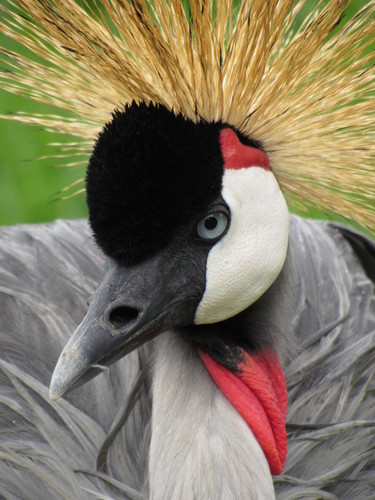 Gru coronata orientale
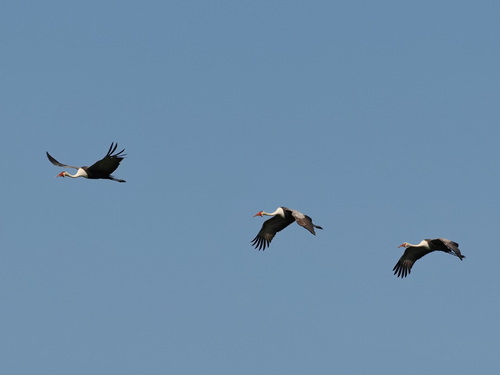 Wattled Crane
In breve
Il segno distintivo più affidabile per separare la Gru coronata orientale dalla Wattled Crane è la sorprendente corona dorata di piume rigide sulla testa della Gru coronata orientale, che non è mai presente nella Wattled Crane. In volo o a riposo, la Gru coronata orientale mostra principalmente un piumaggio corporeo grigio con una macchia bianca sulla guancia e una sacca gollare rossa brillante, mentre la Wattled Crane è molto più grande, con un collo e un petto superiore per lo più bianchi, una corona grigia scura e distintive wattles pendenti sotto il becco. Anche i giovani uccelli differiscono: i giovani Gru coronate orientali sono più grigi con un viso color crema, mentre i giovani Wattled Crane sono fulvi e mancano della pelle facciale rossa nuda e delle wattles prominenti. La dimensione è un forte indizio: la Wattled Crane è sostanzialmente più alta e pesante della Gru coronata orientale, ma la corona dorata rimane il controllo più rapido sul campo.
Consigli di identificazione
- Corona dorata di piume rigide (solo adulti Gru coronata orientale): Se vedi una corona dorata, è una Gru coronata orientale. La Wattled Crane non mostra mai questa caratteristica a nessuna età.
- Macchia bianca sulla guancia e sacca gollare rossa (Gru coronata orientale): Cerca una guancia bianca brillante e una sacca gonfiabile rossa sotto il becco. La Wattled Crane ha un collo e un petto superiore bianchi ma manca della macchia sulla guancia e della sacca.
- Lunghe wattles bianche pendenti (adulto Wattled Crane): La Wattled Crane ha lunghe wattles piumate che pendono dalla gola, oltre a una macchia rossa nuda davanti all'occhio. La Gru coronata orientale non ha wattles e ha guance piumate.
- Colore della corona: La Gru coronata orientale ha una corona dorata; la corona della Wattled Crane è grigia scura, che si fonde con il collo bianco.
- Colore giovanile: I giovani Gru coronate orientali sono grigi con un viso color crema; i giovani Wattled Crane sono fulvi e mancano della pelle facciale rossa nuda o delle wattles.
- Forma del becco: La Wattled Crane ha un becco lungo e affilato; il becco della Gru coronata orientale è più corto e grigio.
- Colore del corpo: La Gru coronata orientale è per lo più grigia con macchie bianche e dorate sulle ali; la Wattled Crane è grigia cenere sulla schiena e sulle ali, con un collo e un petto superiore bianchi e un petto inferiore e copritrici della coda nere.
- Zampe: Entrambi hanno lunghe zampe nere, ma quelle della Wattled Crane sono proporzionalmente più lunghe e più snelle.
- Dimensione: La Wattled Crane è molto più alta e pesante (fino a 175 cm e 9 kg) della Gru coronata orientale (circa 1 m, 3.5 kg). Usa questo solo quando gli uccelli sono affiancati o con scala nota.
- Comportamento di riposo: La Gru coronata orientale può essere vista riposare sugli alberi; la Wattled Crane riposa sempre a terra.
- Habitat: La Gru coronata orientale si trova in savanne, campi e paludi, a volte lontano dall'acqua; la Wattled Crane è limitata a zone umide e pianure alluvionali.
- Esibizione: Balli elaborati, inchini e salti sono tipici della Gru coronata orientale, non della Wattled Crane.
- Voce: I richiami rimbombanti e starnazzanti sono diagnostici della Gru coronata orientale; la voce della Wattled Crane è meno distintiva e non è descritta qui.
- Dimensione del gruppo: Entrambi possono formare gruppi, ma i gruppi di Wattled Crane possono essere molto più grandi (fino a 89+ uccelli).
- Pelle facciale: Gli adulti della Wattled Crane hanno una macchia rossa nuda davanti all'occhio; la Gru coronata orientale ha guance bianche piumate.
Taglia
La Wattled Crane è la gru più grande in Africa, alta 150–175 cm (fino a 5 piedi e 9 pollici) con un'apertura alare di 230–260 cm e un peso di 6.4–9 kg ([wikipedia]). La Gru coronata orientale è molto più piccola, alta circa 1 m (3 piedi e 3 pollici), con un'apertura alare di 2 m e un peso di 3.5 kg. Anche a distanza, l'altezza e la massa maggiori della Wattled Crane, specialmente il lungo collo e le zampe, sono evidenti. Entrambe le specie hanno lunghe zampe, ma quelle della Wattled Crane sono proporzionalmente più lunghe e più snelle. Se viste insieme, la differenza di dimensione è inconfondibile, ma gli uccelli solitari richiedono cautela: usa il piumaggio e le caratteristiche della testa per la conferma.
Piumaggio
- Giovani: I giovani Gru coronate orientali sono complessivamente più grigi con un viso color crema e mancano della corona dorata completa; le loro guance sono piumate, non nude. I giovani Wattled Crane sono fulvi (marrone caldo), mancano della pelle rossa nuda sul viso e hanno wattles meno prominenti o assenti. Entrambi mancano della completa ornamentazione della testa adulta, ma il tono di colore complessivo (grigio vs fulvo) e il motivo del viso rimangono utili.
- Adulti: Gli adulti della Gru coronata orientale hanno una corona dorata di piume rigide, guance bianche, una sacca gollare gonfiabile rossa brillante e un corpo per lo più grigio con macchie bianche e dorate sulle ali. Gli adulti della Wattled Crane hanno un collo e un petto superiore bianchi, una corona grigia scura, una lunga wattle bianca che pende dalla gola e una macchia rossa nuda di pelle davanti all'occhio. La loro schiena e le ali sono grigie cenere, e il petto inferiore, le primarie e le copritrici della coda sono nere. Il becco è lungo e affilato nella Wattled Crane, più corto e grigio nella Gru coronata orientale. La corona dorata è unica per la Gru coronata orientale e non è mai vista sulla Wattled Crane.
Comportamento
La Gru coronata orientale è famosa per le sue elaborate esibizioni di danza, che coinvolgono inchini, salti e gonfiaggio della sacca gollare rossa. Entrambi i sessi e anche gli immaturi partecipano, e queste esibizioni possono verificarsi tutto l'anno, non solo durante la stagione degli amori. La Wattled Crane è meno dimostrativa, senza menzione di danze così elaborate. Entrambe le specie possono riunirsi in gruppi al di fuori della stagione degli amori, ma i gruppi di Wattled Crane possono essere molto più grandi (fino a 89 uccelli o più). La Gru coronata orientale è unica tra le gru nel riposare regolarmente sugli alberi, grazie a un lungo dito posteriore, mentre la Wattled Crane è strettamente legata al riposo a terra. Il comportamento alimentare è simile (onnivoro, spesso associato a mammiferi pascolatori), ma la Gru coronata orientale è più probabile da vedere camminare attraverso praterie e campi coltivati, mentre la Wattled Crane è più legata alle zone umide.
Habitat
La Gru coronata orientale si trova più spesso in savane secche, pianure erbose, terreni coltivati e paludi vicino a fiumi e laghi in tutta l'Africa subsahariana. È adattabile e può essere vista in una varietà di habitat aperti, a volte lontano dall'acqua. La Wattled Crane, al contrario, è uno specialista di zone umide e praterie, specialmente nell'Africa orientale e meridionale. Si trova raramente lontano da grandi zone umide poco profonde o pianure alluvionali, e la sua presenza è strettamente legata ai livelli dell'acqua. Se vedi una gru in un campo secco o appollaiata su un albero, è quasi certamente una Gru coronata orientale. Se si trova in una palude profonda o in una prateria allagata, specialmente nell'Africa meridionale, la Wattled Crane diventa più probabile.
Voce
La Gru coronata orientale ha un richiamo rimbombante, prodotto gonfiando la sacca gollare rossa, e produce anche un suono di starnazzamento che è molto diverso dai richiami trombettanti di altre gru. La voce della Wattled Crane non è descritta in dettaglio nelle note, ma manca del rimbombo e dello starnazzamento distintivi della Gru coronata orientale. Sul campo, se senti un profondo rimbombo risonante seguito da uno starnazzamento, sospetta la Gru coronata orientale.
Gru coronata orientale · Wattled Crane · I miei uccelli difficili