

Motmot

ベニヒワ(亜種 ベニヒワ flammea/rostrata/islandica)ベニヒワ(flammea グループ/亜種 イメベニヒワ) 対 ゴシキヒワ

Acanthis flammea 対 Carduelis carduelis

ベニヒワ(亜種 ベニヒワ flammea/rostrata/islandica)ベニヒワ(flammea グループ/亜種 イメベニヒワ)とゴシキヒワのクイズ
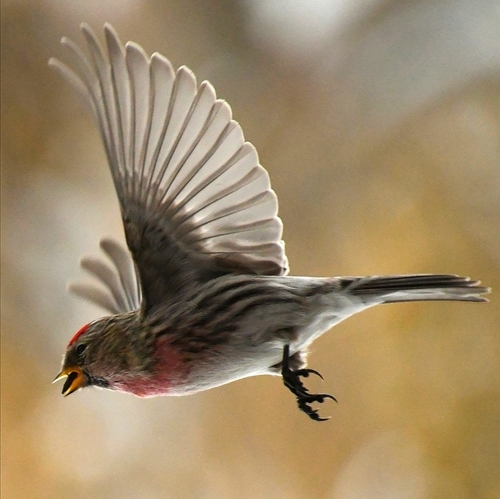
ベニヒワ(亜種 ベニヒワ flammea/rostrata/islandica)ベニヒワ(flammea グループ/亜種 イメベニヒワ) (Acanthis flammea) ベニヒワ(亜種 ベニヒワ flammea/rostrata/islandica)ベニヒワ(flammea グループ/亜種 イメベニヒワ)
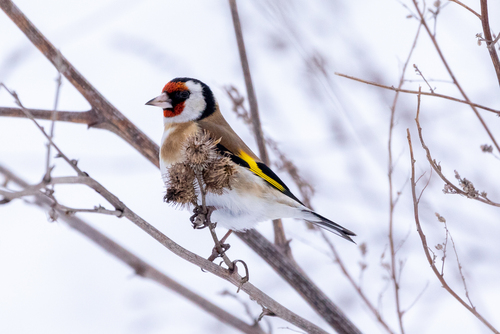
ゴシキヒワ (Carduelis carduelis) ゴシキヒワ

メディア

読み込み中…

要点

コモンベニヒワとゴシキヒワをあらゆる羽色で区別する最も信頼できるフィールドマークは、ゴシキヒワの大胆な黄色の翼帯であり、すべての年齢で見ることができ、特に飛行中に際立っています。一方、ベニヒワは2本の淡い翼のストライプと黄色がないことが特徴です。幼鳥のゴシキヒワは、無地で印のない頭部と黄色の翼のストライプによっても区別されますが、幼鳥のベニヒワはすでに赤い額と縞模様の羽毛を示しています。成鳥のゴシキヒワは明るい赤い顔と白黒の頭を持ち、ベニヒワには決して見られません。両種は小さなフィンチですが、ゴシキヒワはややがっしりしており、より長く、淡い、円錐形のくちばしを持っています。止まっている時や飛行中の姿勢では、顔のパターンと翼の色に注目して最も早く区別できます。

識別のコツ

  1. 黄色の翼帯(すべての年齢): ゴシキヒワだけが広い黄色の翼帯を示し、止まっている時も飛行中も見ることができます。ベニヒワは翼に黄色を示さず、代わりに2本の淡い翼のストライプを探してください。
  2. 顔のパターン(成鳥): ゴシキヒワは明るい赤い顔と白黒の頭を持ち、ベニヒワは赤い額を持っていますが、縞模様のある茶色の顔と黒いビブがあります。
  3. 幼鳥の頭部: 幼鳥のゴシキヒワは無地で印のない頭部を持ち、幼鳥のベニヒワはすでに赤い額と縞模様を示しています。
  4. くちばしの形と色: ゴシキヒワは長く尖った象牙色のくちばしを持ち、ベニヒワのくちばしは短く、黄色がかっていて暗い先端を持ち、より三角形です。
  5. 胸の色: オスのベニヒワは胸にピンクがかった色合いを持つことがありますが、ゴシキヒワの温かいバフ色の側面や白い腹部は決して示しません。
  6. 尾と尾羽: ゴシキヒワは白い尾と黒い尾羽を持ち、ベニヒワの尾は縞模様があり、尾羽はあまりはっきりとしたマークがありません。
  7. 翼のストライプ: ベニヒワは2本の淡い翼のストライプを示し(単一の黄色の帯ではありません)、すべての年齢で見ることができます。
  8. 体の縞模様: ベニヒワは上部と下部に重い縞模様があり、ゴシキヒワは主に縞模様がなく、温かい茶色の上部と白い下部を持っています。
  9. サイズと印象: ゴシキヒワはやや大きくてがっしりしており、より長いくちばしとより頑丈な外観を持っていますが、ベニヒワはより小柄でコンパクトです。
  10. 飛行スタイル: ゴシキヒワはしばしば跳ねるような波状の飛行を示し、歌のバーストを伴いますが、ベニヒワの飛行はより直接的です。
  11. 生息地の文脈: ゴシキヒワは開けた雑草の生えた野原、庭、公園にいる可能性が高く、ベニヒワは特に北部で白樺やアオダモの林を好みます。
  12. 群れの行動: 両種とも群れを形成することがありますが、ゴシキヒワの群れはしばしば大きく、開けた場所の餌台で見られる可能性が高いです。
  13. 性差: オスのゴシキヒワはより大きな赤いマスクを持ち、オスのベニヒワは胸により多くの赤を持つことがありますが、これは微妙で変動します。
  14. 季節的変化: ゴシキヒワのくちばしは繁殖期に淡く、繁殖期以外では暗い先端を持ち、ベニヒワのくちばしは常に黄色がかっていて暗い先端を持ちます。
  15. 幼鳥の混乱: 無地の頭部と黄色の翼を持つ幼鳥を見た場合、それはゴシキヒワです。赤い額と縞模様のある幼鳥はベニヒワです。

大きさ

両種は小さなフィンチですが、ゴシキヒワはやや大きくて重いです:ゴシキヒワは長さ12〜13 cm、翼幅21〜25 cm、体重14〜19 gの平均です。ベニヒワは長さ11.5〜14 cm、翼幅19〜22 cm、体重12〜16 gです。フィールドでは、この違いは微妙ですが、ゴシキヒワはやや頑丈で翼が長く見えることがあります。くちばしの構造も異なり、ゴシキヒワはより長く尖った象牙色のくちばしを持ち、ベニヒワのくちばしは短く、黄色がかっていて暗い先端を持ち、より三角形です。

羽色

行動

両種は活発で社交的なフィンチであり、繁殖期以外は群れで見られることがよくあります。ゴシキヒワは特にアザミやテイシバの種子の頭に引き寄せられ、大きなグループで庭の餌台に頻繁に訪れます。彼らは長く尖ったくちばしを使って植物から種子を取り出します。ベニヒワも群れを形成し、特に冬に、主に白樺やアオダモの種子を求めて木の中で採餌しますが、餌台にも来ます。飛行中、ゴシキヒワはしばしば跳ねるような波状の飛行を示し、頻繁に歌のバーストを伴いますが、ベニヒワはより直接的で波状の少ない飛行スタイルを持っています。

生息環境

ゴシキヒワはヨーロッパ、西アジア、北アフリカの開けたおよび半開けた地域に広く分布しており、庭、公園、農地、雑草の生えた野原に生息しています—特にアザミやテイシバが生える場所で。ベニヒワはより北に生息し、亜寒帯の森林やタイガで繁殖し、冬はさらに南に移動しますが、依然として白樺やアオダモのある地域を好みます。ニュージーランドや他の導入された範囲では、両種が一緒に見られることがありますが、ゴシキヒワは開けた人間が改変した生息地にいる可能性が高く、ベニヒワはより多くの木や低木のある地域を好みます。

声

ゴシキヒワは心地よく、銀色のさえずりの歌と、'tickeLIT'または'teLLIT-teLLIT-teLLIT'と表現されるメロディックな呼び声を持っています。ベニヒワの声は提供されたメモには記載されていないため、これらの情報源に基づいて声は信頼できる区別要因ではありません。

より良い説明を送る

比較と同じ項目を使ってください。文章はすぐに公開されます。

The most reliable field mark to separate Common Redpoll from European Goldfinch in any plumage is the goldfinch’s bold yellow wing bar, visible in all ages and especially striking in flight, versus the redpoll’s two pale wing stripes and lack of yellow. Juvenile goldfinches are also distinctive by their plain, unmarked heads and yellow wing stripe, while juvenile redpolls already show a red forehead and streaked plumage. Adult goldfinches have a bright red face and black-and-white head, never shown by redpolls. Both species are small finches, but goldfinch is slightly bulkier and has a longer, paler, more conical bill. In perched or flight views, focus on face pattern and wing coloration for the quickest separation.

  1. Yellow wing bar (all ages): Only European Goldfinch shows a broad yellow wing bar, visible both perched and in flight. Redpoll never shows yellow in the wing—look for two pale wing stripes instead.
  2. Face pattern (adults): Goldfinch has a bright red face with black-and-white head; redpoll has a red forehead but a streaked brown face and black bib.
  3. Juvenile head: Juvenile goldfinch has a plain, unmarked head, while juvenile redpoll already shows a red forehead and streaking.
  4. Bill shape and color: Goldfinch has a long, pointed, ivory bill; redpoll’s bill is shorter, yellowish with a dark tip, and more triangular.
  5. Breast color: Male redpolls may have a pinkish wash on the breast, but never the goldfinch’s warm buff flanks and white underparts.
  6. Rump and tail: Goldfinch has a white rump and black tail; redpoll’s rump is streaked, and the tail is less distinctly marked.
  7. Wing stripes: Redpoll shows two pale wing stripes (not a single yellow bar), which can be seen in all ages.
  8. Body streaking: Redpoll is heavily streaked above and below; goldfinch is mostly unstreaked with warm brown upperparts and white underparts.
  9. Size and jizz: Goldfinch is slightly larger and bulkier, with a longer bill and more robust appearance; redpoll is daintier and more compact.
  10. Flight style: Goldfinch often shows a bounding, undulating flight with bursts of song; redpoll’s flight is more direct.
  11. Habitat context: Goldfinch is more likely in open, weedy fields, gardens, and parks; redpoll prefers birch or alder stands, especially in the north.
  12. Flock behavior: Both can form flocks, but goldfinch flocks are often larger and more likely at feeders in open areas.
  13. Sex differences: Male goldfinch has a larger red mask; male redpoll may have more red on the breast, but this is subtle and variable.
  14. Seasonal variation: Goldfinch’s bill is paler in breeding season, with a dark tip outside breeding; redpoll’s bill is always yellowish with a dark tip.
  15. Juvenile confusion: If you see a plain-headed, yellow-winged juvenile, it is goldfinch; any juvenile with a red forehead and streaks is redpoll.

Both species are small finches, but the European Goldfinch is slightly larger and heavier: goldfinch averages 12–13 cm in length, 21–25 cm wingspan, and 14–19 g in weight; redpoll is 11.5–14 cm long, 19–22 cm wingspan, and 12–16 g. In the field, this difference is subtle, but goldfinch can appear a bit more robust and longer-winged. Bill structure is also different: goldfinch has a longer, more pointed, ivory-coloured bill, while redpoll’s bill is shorter, yellowish with a dark tip, and more triangular.

  • Juvenile/first-winter birds: Juvenile European Goldfinch is unique among these two for its plain, unmarked head and a bold yellow wing stripe; the rest of its plumage is greyish-brown with a paler belly. Juvenile Common Redpolls already show a red forehead patch, heavy streaking on the body, and two pale wing bars but no yellow in the wing. This makes juvenile goldfinch unmistakable if the head is visible.
  • Adults: Adult goldfinch is instantly told by its red face, black-and-white head, warm brown upperparts, white underparts with buff flanks, and a broad yellow wing bar. Redpoll adults have a red forehead, black bib, brownish-grey streaked body, two pale wing stripes, and a streaked rump. Male redpolls may show a pinkish wash on the breast, but never the goldfinch’s face pattern or yellow in the wing.
  • Flight views: Goldfinch always shows a broad yellow wing bar in flight, with white rump and black tail. Redpoll shows two pale wing stripes and a streaked rump, lacking any yellow. Both have white in the wing, but only goldfinch has the yellow bar.
  • Sex differences: Male and female goldfinch are similar, but males have a slightly larger red mask. Redpoll males may have more red on the breast, but this is variable and not as striking as the goldfinch’s face.

Both species are active, social finches, often seen in flocks outside the breeding season. Goldfinches are especially drawn to seed heads of thistles and teasels, and are frequent visitors to garden feeders, often in large groups. They use their long, pointed bills to extract seeds from plants. Redpolls also form flocks, especially in winter, and forage mainly in trees for birch and alder seeds, but will also come to feeders. In flight, goldfinches often give a bounding, undulating flight with frequent bursts of song, while redpolls have a more direct, less undulating flight style.

Goldfinch is widespread in open and semi-open areas across Europe, western Asia, and North Africa, often in gardens, parks, farmland, and weedy fields—especially where thistles or teasels grow. Redpoll is more northern, breeding in boreal forests and taiga, and wintering further south but still favoring areas with birch or alder. In New Zealand and other introduced ranges, both can occur together, but goldfinch is more likely in open, human-altered habitats, while redpoll prefers areas with more trees or shrubs.

Goldfinch has a pleasant, silvery, twittering song and a melodic call described as 'tickeLIT' or 'teLLIT-teLLIT-teLLIT.' Redpoll’s vocalizations are not described in the provided notes, so voice is not a reliable separator here based on these sources.

変更を破棄しますか?

保存していない編集があります。今離れると失われます。

ベニヒワ(亜種 ベニヒワ flammea/rostrata/islandica)ベニヒワ(flammea グループ/亜種 イメベニヒワ) · ゴシキヒワ · 苦手な鳥