

Pardillo Sizerín (norteño) vs Jilguero Europeo
Acanthis flammea frente a Carduelis carduelis
Juega un quiz con Pardillo Sizerín (norteño) y Jilguero Europeo
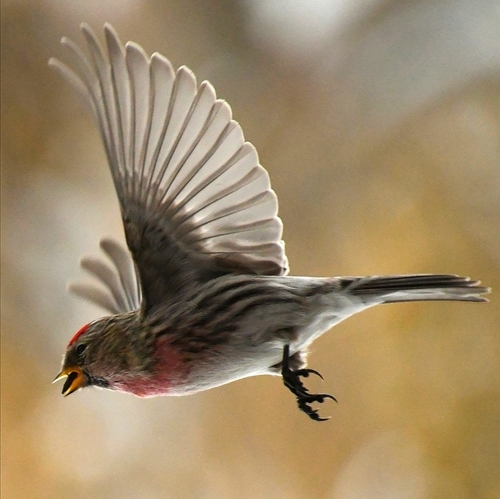 Pardillo Sizerín (norteño)
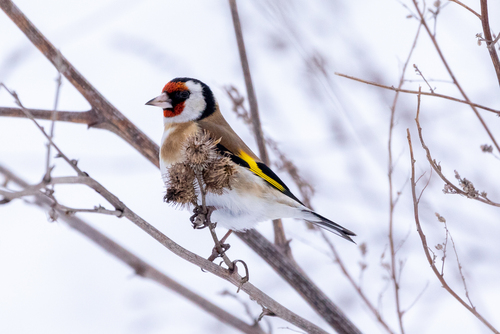 Jilguero Europeo
En breve
La marca de campo más confiable para separar el Pardillo Sizerín del Jilguero Europeo en cualquier plumaje es la audaz barra alar amarilla del jilguero, visible en todas las edades y especialmente llamativa en vuelo, frente a las dos franjas alares pálidas del pardillo y la falta de amarillo. Los jilguero juveniles también son distintivos por sus cabezas lisas y sin marcas y la franja alar amarilla, mientras que los pardillos juveniles ya muestran una frente roja y plumaje rayado. Los jilguero adultos tienen una cara roja brillante y una cabeza en blanco y negro, que nunca muestran los pardillos. Ambas especies son pequeños fringílidos, pero el jilguero es ligeramente más robusto y tiene un pico más largo, más pálido y más cónico. En vistas de posado o vuelo, concéntrate en el patrón facial y la coloración de las alas para la separación más rápida.
Consejos de identificación
- Barra alar amarilla (todas las edades): Solo el Jilguero Europeo muestra una amplia barra alar amarilla, visible tanto posado como en vuelo. El pardillo nunca muestra amarillo en el ala; busca en su lugar dos franjas alares pálidas.
- Patrón facial (adultos): El jilguero tiene una cara roja brillante con cabeza en blanco y negro; el pardillo tiene una frente roja pero una cara marrón rayada y un babero negro.
- Cabeza juvenil: El jilguero juvenil tiene una cabeza lisa y sin marcas, mientras que el pardillo juvenil ya muestra una frente roja y rayas.
- Forma y color del pico: El jilguero tiene un pico largo, puntiagudo y de color marfil; el pico del pardillo es más corto, amarillento con una punta oscura y más triangular.
- Color del pecho: Los pardillos machos pueden tener un lavado rosado en el pecho, pero nunca los flancos cálidos y buff y las partes inferiores blancas del jilguero.
- Rabadilla y cola: El jilguero tiene una rabadilla blanca y cola negra; la rabadilla del pardillo es rayada y la cola está menos marcada.
- Franjas alares: El pardillo muestra dos franjas alares pálidas (no una sola barra amarilla), que pueden verse en todas las edades.
- Rayado del cuerpo: El pardillo está fuertemente rayado por encima y por debajo; el jilguero es mayormente sin rayas con partes superiores marrón cálido y partes inferiores blancas.
- Tamaño y aspecto: El jilguero es ligeramente más grande y robusto, con un pico más largo y una apariencia más robusta; el pardillo es más delicado y compacto.
- Estilo de vuelo: El jilguero a menudo muestra un vuelo saltarín y ondulante con explosiones de canto; el vuelo del pardillo es más directo.
- Contexto de hábitat: El jilguero es más probable que se encuentre en campos abiertos y cubiertos de maleza, jardines y parques; el pardillo prefiere bosques de abedul o aliso, especialmente en el norte.
- Comportamiento en bandadas: Ambos pueden formar bandadas, pero las bandadas de jilguero son a menudo más grandes y más probables en comederos en áreas abiertas.
- Diferencias sexuales: El jilguero macho tiene una máscara roja más grande; el pardillo macho puede tener más rojo en el pecho, pero esto es sutil y variable.
- Variación estacional: El pico del jilguero es más pálido en la temporada de cría, con una punta oscura fuera de la cría; el pico del pardillo es siempre amarillento con una punta oscura.
- Confusión juvenil: Si ves un juvenil con cabeza lisa y alas amarillas, es un jilguero; cualquier juvenil con una frente roja y rayas es un pardillo.
Tamaño
Ambas especies son pequeños fringílidos, pero el Jilguero Europeo es ligeramente más grande y pesado: el jilguero promedia 12–13 cm de longitud, 21–25 cm de envergadura y 14–19 g de peso; el pardillo mide 11.5–14 cm de largo, 19–22 cm de envergadura y 12–16 g. En el campo, esta diferencia es sutil, pero el jilguero puede parecer un poco más robusto y con alas más largas. La estructura del pico también es diferente: el jilguero tiene un pico más largo, más puntiagudo y de color marfil, mientras que el pico del pardillo es más corto, amarillento con una punta oscura y más triangular.
Plumaje
- Aves juveniles/primer invierno: El jilguero juvenil es único entre estos dos por su cabeza lisa y sin marcas y una audaz franja amarilla en el ala; el resto de su plumaje es marrón grisáceo con un vientre más pálido. Los Pardillos Sizerín juveniles ya muestran un parche en la frente roja, un fuerte rayado en el cuerpo y dos barras alares pálidas pero sin amarillo en el ala. Esto hace que el jilguero juvenil sea inconfundible si la cabeza es visible.
- Adultos: El jilguero adulto se identifica instantáneamente por su cara roja, cabeza en blanco y negro, partes superiores marrón cálido, partes inferiores blancas con flancos buff y una amplia barra alar amarilla. Los pardillos adultos tienen una frente roja, babero negro, cuerpo marrón grisáceo rayado, dos franjas alares pálidas y una rabadilla rayada. Los pardillos machos pueden mostrar un lavado rosado en el pecho, pero nunca el patrón facial del jilguero o amarillo en el ala.
- Vistas de vuelo: El jilguero siempre muestra una amplia barra alar amarilla en vuelo, con rabadilla blanca y cola negra. El pardillo muestra dos franjas alares pálidas y una rabadilla rayada, careciendo de cualquier amarillo. Ambos tienen blanco en el ala, pero solo el jilguero tiene la barra amarilla.
- Diferencias sexuales: El jilguero macho y hembra son similares, pero los machos tienen una máscara roja ligeramente más grande. Los machos pardillo pueden tener más rojo en el pecho, pero esto es variable y no tan llamativo como la cara del jilguero.
Comportamiento
Ambas especies son fringílidos activos y sociales, a menudo vistos en bandadas fuera de la temporada de cría. Los jilguero son especialmente atraídos por las cabezas de semillas de cardos y cardos de agua, y son visitantes frecuentes de los comederos de jardín, a menudo en grandes grupos. Usan sus largos y puntiagudos picos para extraer semillas de las plantas. Los pardillos también forman bandadas, especialmente en invierno, y forrajean principalmente en árboles en busca de semillas de abedul y aliso, pero también acudirán a los comederos. En vuelo, los jilguero a menudo dan un vuelo saltarín y ondulante con frecuentes explosiones de canto, mientras que los pardillos tienen un estilo de vuelo más directo y menos ondulante.
Hábitat
El jilguero es común en áreas abiertas y semiabiertas de Europa, Asia occidental y el norte de África, a menudo en jardines, parques, tierras agrícolas y campos cubiertos de maleza, especialmente donde crecen cardos o cardos de agua. El pardillo es más del norte, criando en bosques boreales y taiga, y invernando más al sur pero aún favoreciendo áreas con abedules o alisos. En Nueva Zelanda y otros rangos introducidos, ambos pueden ocurrir juntos, pero el jilguero es más probable que se encuentre en hábitats abiertos alterados por humanos, mientras que el pardillo prefiere áreas con más árboles o arbustos.
Voz
El jilguero tiene una canción agradable, plateada y trina y un llamado melódico descrito como 'tickeLIT' o 'teLLIT-teLLIT-teLLIT.' Las vocalizaciones del pardillo no están descritas en las notas proporcionadas, por lo que la voz no es un separador confiable aquí basado en estas fuentes.
Pardillo Sizerín (norteño) · Jilguero Europeo · Mis aves difíciles