

Redpoll (Common) vs Cardellino
Acanthis flammea contro Carduelis carduelis
Fai un quiz con Redpoll (Common) e Cardellino
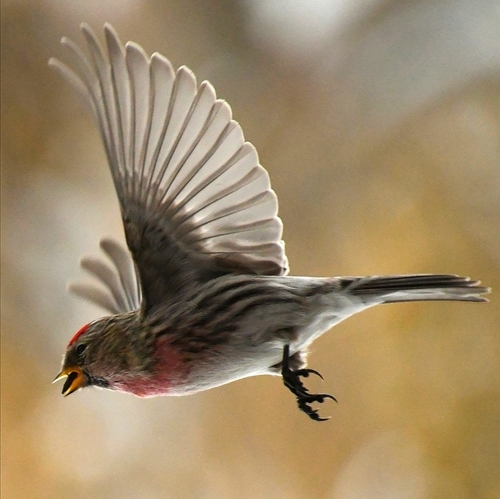 Redpoll (Common)
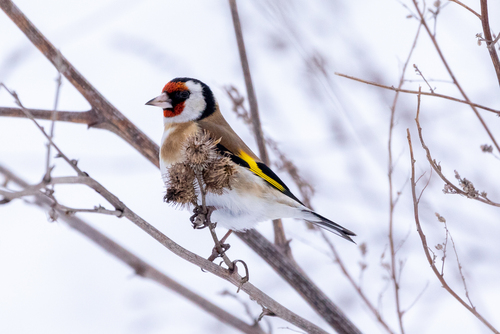 Cardellino
In breve
Il segno di campo più affidabile per separare il Organetto (Common) dal Cardellino in qualsiasi piumaggio è la spessa banda gialla alare del cardellino, visibile in tutte le età e particolarmente evidente in volo, rispetto alle due strisce alari chiare del Organetto e alla mancanza di giallo. I cardellini giovani sono anche distintivi per le loro teste semplici e non marcate e la striscia alare gialla, mentre i Organetto giovani mostrano già una fronte rossa e piumaggio striato. I cardellini adulti hanno un viso rosso brillante e una testa bianco e nera, mai mostrati dai Organetto. Entrambe le specie sono piccoli fringillidi, ma il cardellino è leggermente più robusto e ha un becco più lungo, più chiaro e più conico. Nelle viste in perno o in volo, concentrati sul motivo del viso e sulla colorazione delle ali per la separazione più rapida.
Consigli di identificazione
- Banda alare gialla (tutte le età): Solo il Cardellino mostra una larga banda alare gialla, visibile sia in perno che in volo. Il Organetto non mostra mai giallo nell'ala: cerca invece due strisce alari chiare.
- Motivo del viso (adulti): Il cardellino ha un viso rosso brillante con testa bianco e nera; il Organetto ha una fronte rossa ma un viso marrone striato e un bavaglio nero.
- Testa giovanile: Il cardellino giovane ha una testa semplice e non marcata, mentre il Organetto giovane mostra già una fronte rossa e striature.
- Forma e colore del becco: Il cardellino ha un becco lungo, appuntito e color avorio; il becco del Organetto è più corto, giallastro con una punta scura e più triangolare.
- Colore del petto: I Organetto maschi possono avere una leggera sfumatura rosata sul petto, ma mai i fianchi caldi e buffi e le parti inferiori bianche del cardellino.
- Rump e coda: Il cardellino ha un rump bianco e una coda nera; il rump del Organetto è striato e la coda è meno distintamente marcata.
- Strisce alari: Il Organetto mostra due strisce alari chiare (non una singola banda gialla), che possono essere viste in tutte le età.
- Striature del corpo: Il Organetto è pesantemente striato sopra e sotto; il cardellino è per lo più non striato con parti superiori marroni calde e parti inferiori bianche.
- Dimensioni e aspetto: Il cardellino è leggermente più grande e robusto, con un becco più lungo e un aspetto più robusto; il Organetto è più delicato e compatto.
- Stile di volo: Il cardellino mostra spesso un volo rimbalzante e ondulato con scoppi di canto; il volo del Organetto è più diretto.
- Contesto dell'habitat: Il cardellino è più probabile in campi aperti e infestati, giardini e parchi; il Organetto preferisce boschetti di betulle o ontani, specialmente a nord.
- Comportamento in gruppo: Entrambi possono formare gruppi, ma i gruppi di cardellini sono spesso più grandi e più probabili nei mangiatoie in aree aperte.
- Differenze sessuali: Il maschio cardellino ha una maschera rossa più grande; il maschio Organetto può avere più rosso sul petto, ma questo è sottile e variabile.
- Variazione stagionale: Il becco del cardellino è più chiaro durante la stagione di riproduzione, con una punta scura al di fuori della riproduzione; il becco del Organetto è sempre giallastro con una punta scura.
- Confusione giovanile: Se vedi un giovane con testa semplice e ali gialle, è un cardellino; qualsiasi giovane con una fronte rossa e striature è un Organetto.
Taglia
Entrambe le specie sono piccoli fringillidi, ma il Cardellino è leggermente più grande e pesante: il cardellino misura in media 12–13 cm di lunghezza, 21–25 cm di apertura alare e 14–19 g di peso; il Organetto è lungo 11.5–14 cm, con un'apertura alare di 19–22 cm e un peso di 12–16 g. In campo, questa differenza è sottile, ma il cardellino può apparire un po' più robusto e con ali più lunghe. Anche la struttura del becco è diversa: il cardellino ha un becco più lungo, più appuntito e di colore avorio, mentre il becco del Organetto è più corto, giallastro con una punta scura e più triangolare.
Piumaggio
- Uccelli giovani/di prima inverno: Il giovane Cardellino è unico tra questi due per la sua testa semplice e non marcata e una spessa striscia alare gialla; il resto del suo piumaggio è marrone-grigiastro con un ventre più chiaro. I Organetto giovani mostrano già una macchia rossa sulla fronte, pesanti striature sul corpo e due bande alari chiare ma nessun giallo nell'ala. Questo rende il giovane cardellino inconfondibile se la testa è visibile.
- Adulti: Il cardellino adulto è immediatamente riconoscibile per il suo viso rosso, la testa bianco e nera, le parti superiori marroni calde, le parti inferiori bianche con fianchi buffi e una larga banda alare gialla. Gli adulti Organetto hanno una fronte rossa, un bavaglio nero, un corpo marrone-grigiastro striato, due strisce alari chiare e un rump striato. I maschi Organetto possono mostrare una leggera sfumatura rosata sul petto, ma mai il motivo del viso del cardellino o il giallo nell'ala.
- Viste in volo: Il cardellino mostra sempre una larga banda alare gialla in volo, con rump bianco e coda nera. Il Organetto mostra due strisce alari chiare e un rump striato, privo di giallo. Entrambi hanno bianco nell'ala, ma solo il cardellino ha la banda gialla.
- Differenze sessuali: Maschio e femmina di cardellino sono simili, ma i maschi hanno una maschera rossa leggermente più grande. I maschi Organetto possono avere più rosso sul petto, ma questo è variabile e non così evidente come il viso del cardellino.
Comportamento
Entrambe le specie sono fringillidi attivi e sociali, spesso visti in gruppi al di fuori della stagione di riproduzione. I cardellini sono particolarmente attratti dalle teste di semi di cardi e di teasel, e sono visitatori frequenti delle mangiatoie da giardino, spesso in grandi gruppi. Usano i loro lunghi beccucci appuntiti per estrarre semi dalle piante. Anche i Organetto formano gruppi, specialmente in inverno, e foraggiano principalmente negli alberi per semi di betulla e ontano, ma si avvicineranno anche alle mangiatoie. In volo, i cardellini spesso mostrano un volo rimbalzante e ondulato con frequenti scoppi di canto, mentre i Organetto hanno uno stile di volo più diretto e meno ondulato.
Habitat
Il cardellino è diffuso in aree aperte e semiaperte in tutta Europa, Asia occidentale e Nord Africa, spesso in giardini, parchi, terreni agricoli e campi infestati, specialmente dove crescono cardi o teasel. Il Organetto è più settentrionale, nidificando nelle foreste boreali e nella taiga, e svernando più a sud ma preferendo comunque aree con betulle o ontani. In Nuova Zelanda e in altri territori introdotti, entrambi possono verificarsi insieme, ma il cardellino è più probabile in habitat aperti e alterati dall'uomo, mentre il Organetto preferisce aree con più alberi o arbusti.
Voce
Il cardellino ha un canto piacevole, argentato e cinguettante e un richiamo melodico descritto come 'tickeLIT' o 'teLLIT-teLLIT-teLLIT.' Le vocalizzazioni del Organetto non sono descritte nelle note fornite, quindi la voce non è un separatore affidabile qui basato su queste fonti.