

Motmot

チョコフエフキタイランチョウ 対 チャボウシクロフウキンチョウ

Sirystes albogriseus 対 Tachyphonus delatrii

チョコフエフキタイランチョウとチャボウシクロフウキンチョウのクイズ
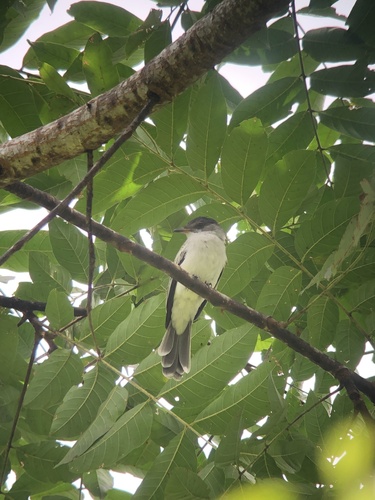
チョコフエフキタイランチョウ (Sirystes albogriseus) チョコフエフキタイランチョウ
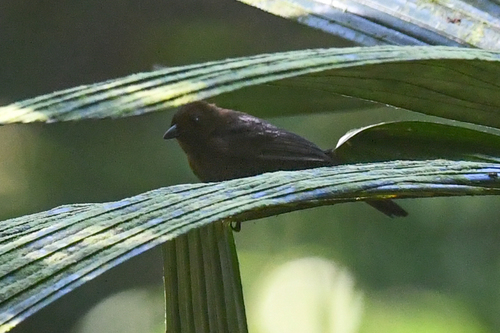
チャボウシクロフウキンチョウ (Tachyphonus delatrii) チャボウシクロフウキンチョウ

メディア

読み込み中…

要点

最も信頼できるフィールドマークは全体の色パターンと冠です:すべての年齢のチョコフエフキタイランチョウは、わずかな冠を持つ黒い冠、淡い灰色の背中、翼の大胆な白い縁を示します。一方、チャボウシクロフウキンチョウのオスは光沢のある黒で、短く明るい茶色の冠を持ち、メスは黒い冠がない鈍いオリーブブラウンです。チョコフエフキタイランチョウは、明らかにチャボウシクロフウキンチョウよりも大きく、体重も重いです。飛んでいるときや止まっているときには、フエフキタイランチョウの白い縁のある翼と尾の先端を探してください。チャボウシクロフウキンチョウの翼は地味で、オスの場合は対照的な茶色の冠があります。幼鳥のフエフキタイランチョウは成鳥に似ていますが、淡いバフィーの洗いがかかっています。一方、メスのチャボウシクロフウキンチョウは全体的にずっと鈍く、茶色です。くちばしの形とサイズも異なります:フエフキタイランチョウはより太く、フライキャッチャーのようなくちばしを持ち、チャボウシクロフウキンチョウのくちばしは短くて細いです。

識別のコツ

  1. 冠のある黒い冠(フエフキタイランチョウ): すべてのチョコフエフキタイランチョウに見られる黒い冠とわずかな冠を探してください。これは、どの年齢や性別のチャボウシクロフウキンチョウにも示されません。これは、止まっているときも飛んでいるときも重要なマークです。
  2. 茶色の冠(チャボウシクロフウキンチョウのオス): 成熟したオスのチャボウシクロフウキンチョウは、光沢のある黒い体と対照的な短く明るい茶色から暗い黄色の冠を持っています。メスはこの冠をまったく持っていません。フエフキタイランチョウの冠は黒く、目立ちません。
  3. 全体のサイズと体格: チョコフエフキタイランチョウは、チャボウシクロフウキンチョウよりもはるかに大きく、体重も重いです。両種が同じ群れや他の鳥と一緒に見られるときにこれを利用してください。
  4. くちばしの形: フエフキタイランチョウは、より太く、頑丈なフライキャッチャータイプのくちばしを持ち、チャボウシクロフウキンチョウのくちばしは短くて細いです。これは近距離または良い写真で見ることができます。
  5. 翼のパターン(フエフキタイランチョウ): フエフキタイランチョウは、止まっているときも飛んでいるときも見える翼のカバーと第二次翼に広い白い縁を示します。チャボウシクロフウキンチョウの翼は鈍く、曲がりの部分に小さな白い斑点(オスのみ)と白い下翼カバー(翼が広げられない限り見えません)があります。
  6. 尾のパターン: フエフキタイランチョウは灰色がかった白い先端を持つ鈍い尾を持ち、チャボウシクロフウキンチョウの尾は鈍く、淡い先端はありません。
  7. 腹部: フエフキタイランチョウは灰色がかった白から白の腹部を持ち、上面と対照的にきれいです。オスのチャボウシクロフウキンチョウは下が黒く、メスはオリーブブラウンで喉が淡いですが、決して白ではありません。
  8. 尾と上尾羽のカバー: フエフキタイランチョウは白い尾と白い縁のある暗い上尾羽のカバーを示し、チャボウシクロフウキンチョウはこれらのコントラストを欠いています。
  9. 幼鳥の羽毛: 幼鳥のフエフキタイランチョウは成鳥に似ていますが、わずかにバフィーの色合いがあり、黒い冠と白い縁のある翼を示しています。幼鳥のチャボウシクロフウキンチョウ(特にメス)は鈍いオリーブブラウンで、黒や白の冠を欠き、ずっと地味です。
  10. 性差(チャボウシクロフウキンチョウ): オスのチャボウシクロフウキンチョウだけが光沢のある黒で茶色の冠を持ち、メスは鈍いオリーブブラウンです。フエフキタイランチョウは羽毛において性差を示しません。
  11. 足と虹彩の色: 両種ともに暗い足を持っていますが、チャボウシクロフウキンチョウの虹彩は赤褐色で、フエフキタイランチョウの虹彩は暗褐色です。これは微妙で、フィールドで診断することはめったにありません。
  12. 行動: フエフキタイランチョウはしばしば直立して止まり、昆虫を捕まえるためにサリーを行います。これはフライキャッチャーに典型的です。チャボウシクロフウキンチョウは葉の中でより活発に動き、露出した止まり木からサリーを行う可能性は低いです。
  13. 生息地の好み: 重なりのある地域では、フエフキタイランチョウは密な湿った森林の内部にいる可能性が高く、チャボウシクロフウキンチョウはより広範囲の森林タイプ、エッジや二次成長に見られる可能性があります。
  14. 混合群れ: 両種は混合種の群れに参加することがありますが、フエフキタイランチョウはより静止して意図的であり、チャボウシクロフウキンチョウはより活発で社交的です。
  15. 落とし穴: メスと幼鳥のチャボウシクロフウキンチョウは、鈍い色合いのためにフエフキタイランチョウと混同される可能性が最も高いですが、彼らはフエフキタイランチョウの黒い冠、白い縁のある翼、白い腹部を欠いています。全体の色やサイズに頼る前に、これらのマークを常に確認してください。

大きさ

チョコフエフキタイランチョウは明らかに大きく、全長17.5〜19 cm、体重32〜36 gで、チャボウシクロフウキンチョウの全長14 cm、体重14〜21 gと比較されます [wikipedia][wikidata]。フエフキタイランチョウはよりがっしりとして頑丈に見え、チャボウシクロフウキンチョウは明らかに小さく軽いです。このサイズの違いは、直接比較や他の鳥と一緒に見たときに明らかです。

羽色

行動

チョコフエフキタイランチョウはしばしば混合種の餌を食べる群れに参加し、止まり木から昆虫や果物を捕まえるためにフライキャッチャーのようなサリーを使用します。その行動は、タイラントフライキャッチャーに典型的です:直立した姿勢、同じ止まり木への頻繁な戻り、そしてサリーの飛行。チャボウシクロフウキンチョウの行動はここでは詳細に説明されていませんが、一般的にチャボウシクロフウキンチョウは葉の中をより活発に移動し、露出した止まり木からサリーを行う可能性は低いです。フエフキタイランチョウはより意図的で静止しているように見えるかもしれませんが、チャボウシクロフウキンチョウはより落ち着きがなく、社交的です。

生息環境

両種はコロンビア、エクアドル、パナマで重なりますが、チョコフエフキタイランチョウは湿ったチョコ低地と丘陵の森林により制限されています。チャボウシクロフウキンチョウは、中央アメリカ(コスタリカ、ニカラグア、ホンジュラス)やさまざまな森林タイプにわたって広く分布しています。重なりのある地域では、両種が混合群れで見られる可能性がありますが、フエフキタイランチョウは密な湿った森林の内部にいる可能性が高いです。

より良い説明を送る

比較と同じ項目を使ってください。文章はすぐに公開されます。

The most reliable field mark is the overall color pattern and crest: Choco Sirystes of all ages shows a black crown with a slight crest, pale gray back, and bold white edges on the wings, while Tawny-crested Tanager males are glossy black with a short, bright tawny crest, and females are dull olive-brown with no black crown. Choco Sirystes is notably larger and heavier-bodied than the tanager. In flight or perched, look for the Sirystes' white-edged wings and tail tips versus the tanager's plainer wings and, in males, a contrasting tawny crest. Juvenile Sirystes are similar to adults but with a buffy wash, while female tanagers are much duller and browner overall. Bill shape and size also differ: Sirystes has a stouter, flycatcher-like bill, while the tanager's is shorter and thinner.

  1. Black Crown with Crest (Sirystes): Look for the black crown and slight crest on all Choco Sirystes, which is never shown by Tawny-crested Tanager of any age or sex. This is a key mark both perched and in flight.
  2. Tawny Crest (Tanager Male): Adult male Tawny-crested Tanagers have a short, bright tawny to dark yellow crest, contrasting with their glossy black body. Females lack this crest entirely. The Sirystes' crest is black and less conspicuous.
  3. Overall Size and Bulk: Choco Sirystes is much larger and heavier-bodied than the tanager. Use this when both species are seen in the same flock or with other birds for scale.
  4. Bill Shape: Sirystes has a stouter, more robust flycatcher-type bill, while the tanager's bill is shorter and thinner, typical of tanagers. This is visible at close range or in good photos.
  5. Wing Pattern (Sirystes): Sirystes shows wide white edges on the wing coverts and secondaries, visible both perched and in flight. The tanager's wings are dusky with only a small, often hidden, white patch at the bend (male only) and white underwing coverts (not visible unless wings are spread).
  6. Tail Pattern: Sirystes has a dusky tail with grayish white tips, while the tanager's tail is dusky with no pale tips.
  7. Underparts: Sirystes has grayish white to white underparts, clean and contrasting with the upperparts. Male tanagers are black below, females are olive-brown with a paler throat but never white.
  8. Rump and Uppertail Coverts: Sirystes shows a white rump and dark uppertail coverts with white fringes; tanager lacks these contrasts.
  9. Juvenile Plumage: Juvenile Sirystes are like adults but with a faint buffy tinge, still showing the black crown and white-edged wings. Juvenile tanagers (especially females) are dull olive-brown and lack any black or white crown, making them much plainer.
  10. Sexual Dimorphism (Tanager): Only male Tawny-crested Tanagers are glossy black with a tawny crest; females are dull olive-brown. Sirystes shows no sexual dimorphism in plumage.
  11. Leg and Iris Color: Both species have dark legs, but the tanager's iris is reddish brown, while Sirystes' is dark brown. This is subtle and rarely diagnostic in the field.
  12. Behavior: Sirystes often perches upright and sallies for insects, typical of flycatchers. Tanagers are more active in foliage and less likely to sally from exposed perches.
  13. Habitat Preference: In overlap zones, Sirystes is more likely in dense humid forest interiors, while tanagers may be found in a wider range of forest types, including edges and secondary growth.
  14. Mixed Flocks: Both may join mixed-species flocks, but Sirystes tends to be more stationary and deliberate, tanagers more active and social.
  15. Pitfalls: Female and juvenile tanagers are the most likely confusion risk with Sirystes due to their dull coloration, but they lack the black crown, white-edged wings, and white underparts of Sirystes. Always check for these marks before relying on overall color or size.

Choco Sirystes is significantly larger, measuring 17.5–19 cm in length and weighing 32–36 g, compared to the Tawny-crested Tanager's 14 cm length and 14–21 g weight [wikipedia][wikidata]. The Sirystes appears bulkier and more robust, while the tanager is noticeably smaller and lighter. This size difference is apparent in direct comparison or when seen with other birds for scale.

  • Juveniles: Choco Sirystes juveniles resemble adults but have a faint buffy tinge; they still show the black crown, pale gray back, and white-edged wings. Tawny-crested Tanager juveniles are not described in detail, but female-like birds are dull olive-brown with dusky wings and tail, lacking any black crown or bold white in the wings.
  • Adults: Choco Sirystes of both sexes have a black crown with a slight crest, slate gray face, pale gray nape and back, white rump, dark uppertail coverts with white fringes, dusky black wings with wide white edges on coverts and secondaries, dusky tail with grayish white tips, and grayish white to white underparts. Tawny-crested Tanager males are glossy black with a short, bright tawny to dark yellow crest, a small white patch at the wing bend (often hidden), and white underwing coverts; females are grayish brown on the head, dark olive-brown above, dusky wings and tail, and paler olive-brown underparts with a paler throat. The tanager's crest is variable in size and color but always present in males and absent in females. The Sirystes' wing and tail show more obvious white edging, especially in flight.

Choco Sirystes often joins mixed-species feeding flocks and uses flycatcher-like sallies from a perch to catch insects and fruit. Its behavior is typical of tyrant flycatchers: upright posture, frequent returns to the same perch, and sallying flights. Tawny-crested Tanager behavior is not described in detail here, but tanagers generally move more actively through foliage and are less likely to sally from exposed perches. Sirystes may appear more deliberate and stationary, while tanagers are more restless and social.

Both species overlap in Colombia, Ecuador, and Panama, but the Choco Sirystes is more restricted to humid Chocó lowland and foothill forests. The Tawny-crested Tanager ranges more widely, including into Central America (Costa Rica, Nicaragua, Honduras) and various forest types. In areas of overlap, both may occur in mixed flocks, but Sirystes is more likely in dense, humid forest interiors.

変更を破棄しますか?

保存していない編集があります。今離れると失われます。

チョコフエフキタイランチョウ · チャボウシクロフウキンチョウ · 苦手な鳥