

Choco Sirystes vs Tawny-crested Tanager
Sirystes albogriseus contro Tachyphonus delatrii
Fai un quiz con Choco Sirystes e Tawny-crested Tanager
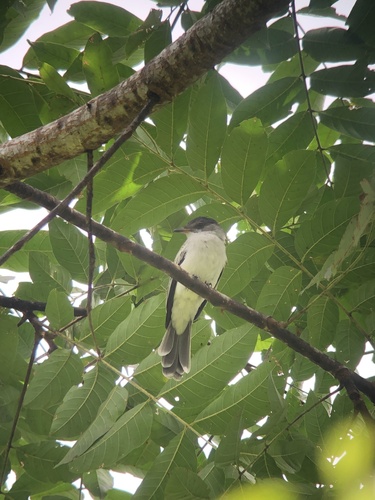 Choco Sirystes
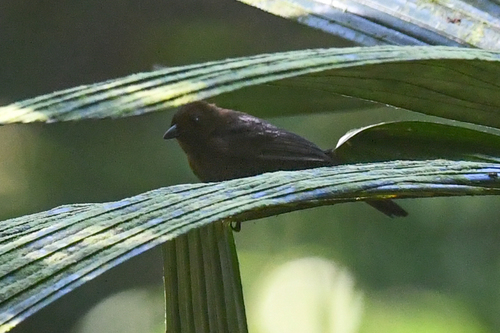 Tawny-crested Tanager
In breve
Il segno di campo più affidabile è il modello di colore generale e la cresta: il Choco Sirystes di tutte le età mostra una corona nera con una leggera cresta, un dorso grigio chiaro e bordi bianchi audaci sulle ali, mentre i maschi del Tawny-crested Tanager sono neri lucidi con una breve cresta color tawny brillante, e le femmine sono di un marrone oliva opaco senza corona nera. Il Choco Sirystes è notevolmente più grande e più pesante del tanager. In volo o posato, cerca le ali e le punte della coda del Sirystes con bordi bianchi rispetto alle ali più semplici del tanager e, nei maschi, una cresta tawny contrastante. I Sirystes giovani sono simili agli adulti ma con una sfumatura buffa, mentre le femmine dei tanager sono molto più opache e marroni nel complesso. Anche la forma e la dimensione del becco differiscono: il Sirystes ha un becco più robusto, simile a quello di un catturatore di insetti, mentre quello del tanager è più corto e più sottile.
Consigli di identificazione
- Corona Nera con Cresta (Sirystes): Cerca la corona nera e la leggera cresta su tutti i Choco Sirystes, che non è mai mostrata dal Tawny-crested Tanager di qualsiasi età o sesso. Questo è un segno chiave sia posato che in volo.
- Cresta Tawny (Maschio Tanager): I maschi adulti del Tawny-crested Tanager hanno una breve cresta color tawny brillante fino a gialla scura, in contrasto con il loro corpo nero lucido. Le femmine non hanno affatto questa cresta. La cresta del Sirystes è nera e meno evidente.
- Dimensioni e Volume Generali: Il Choco Sirystes è molto più grande e più pesante del tanager. Usa questo quando entrambe le specie sono viste nello stesso stormo o con altri uccelli per scala.
- Forma del Becco: Il Sirystes ha un becco più robusto, di tipo catturatore di insetti, mentre il becco del tanager è più corto e più sottile, tipico dei tanager. Questo è visibile da vicino o in buone foto.
- Modello delle Ali (Sirystes): Il Sirystes mostra ampi bordi bianchi sulle copritrici e sulle secondarie delle ali, visibili sia posato che in volo. Le ali del tanager sono scure con solo una piccola macchia bianca, spesso nascosta, alla piega (solo maschio) e copritrici delle ali inferiori bianche (non visibili a meno che le ali non siano spiegate).
- Modello della Coda: Il Sirystes ha una coda scura con punte grigio-biancastre, mentre la coda del tanager è scura senza punte chiare.
- Parte Inferiore: Il Sirystes ha parti inferiori grigio-biancastre a bianche, pulite e in contrasto con le parti superiori. I maschi dei tanager sono neri sotto, le femmine sono marrone oliva con una gola più chiara ma mai bianca.
- Rump e Copritrici della Coda Superiore: Il Sirystes mostra un rump bianco e copritrici della coda superiore scure con bordi bianchi; il tanager manca di questi contrasti.
- Piumaggio Giovanile: I giovani Sirystes sono simili agli adulti ma con una leggera sfumatura buffa, mostrando ancora la corona nera e le ali con bordi bianchi. I giovani tanager (soprattutto le femmine) sono di un marrone oliva opaco e mancano di qualsiasi corona nera o bianca, rendendoli molto più semplici.
- Dimorfismo Sessuale (Tanager): Solo i maschi del Tawny-crested Tanager sono neri lucidi con una cresta tawny; le femmine sono di un marrone oliva opaco. Il Sirystes non mostra dimorfismo sessuale nel piumaggio.
- Colore delle Zampe e dell'Iride: Entrambe le specie hanno zampe scure, ma l'iride del tanager è marrone rossastro, mentre quella del Sirystes è marrone scuro. Questo è sottile e raramente diagnostico sul campo.
- Comportamento: Il Sirystes spesso si posiziona eretto e si lancia per catturare insetti, tipico dei catturatori di insetti. I tanager sono più attivi nel fogliame e meno propensi a lanciarsi da posatoi esposti.
- Preferenza dell'Habitat: Nelle zone di sovrapposizione, il Sirystes è più probabile che si trovi in interni di foreste umide, mentre i tanager possono essere trovati in una gamma più ampia di tipi di foresta, comprese le aree di confine e la crescita secondaria.
- Stormi Misti: Entrambi possono unirsi a stormi di specie miste, ma il Sirystes tende a essere più stazionario e deliberato, i tanager più attivi e sociali.
- Trappole: Le femmine e i giovani tanager sono il rischio di confusione più probabile con il Sirystes a causa della loro colorazione opaca, ma mancano della corona nera, delle ali con bordi bianchi e delle parti inferiori bianche del Sirystes. Controlla sempre questi segni prima di fare affidamento sul colore o sulla dimensione complessivi.
Taglia
Il Choco Sirystes è significativamente più grande, misurando 17.5–19 cm di lunghezza e pesando 32–36 g, rispetto alla lunghezza di 14 cm e al peso di 14–21 g del Tawny-crested Tanager [wikipedia][wikidata]. Il Sirystes appare più robusto e massiccio, mentre il tanager è visibilmente più piccolo e leggero. Questa differenza di dimensioni è evidente nel confronto diretto o quando visto con altri uccelli per scala.
Piumaggio
- Giovani: I giovani Choco Sirystes assomigliano agli adulti ma hanno una leggera sfumatura buffa; mostrano ancora la corona nera, il dorso grigio chiaro e le ali con bordi bianchi. I giovani Tawny-crested Tanager non sono descritti in dettaglio, ma gli uccelli simili alle femmine sono di un marrone oliva opaco con ali e coda scure, privi di qualsiasi corona nera o bianca audace nelle ali.
- Adulti: I Choco Sirystes di entrambi i sessi hanno una corona nera con una leggera cresta, un viso grigio ardesia, una nuca e un dorso grigio chiaro, un rump bianco, copritrici della coda superiore scure con bordi bianchi, ali nere scure con ampi bordi bianchi su copritrici e secondarie, una coda scura con punte grigio-biancastre e parti inferiori grigio-biancastre a bianche. I maschi del Tawny-crested Tanager sono neri lucidi con una breve cresta color tawny brillante fino a gialla scura, una piccola macchia bianca alla piega dell'ala (spesso nascosta) e copritrici delle ali inferiori bianche; le femmine sono marrone grigiastro sulla testa, marrone oliva scuro sopra, ali e coda scure, e parti inferiori marrone oliva più chiare con una gola più chiara. La cresta del tanager è variabile in dimensione e colore ma sempre presente nei maschi e assente nelle femmine. Le ali e la coda del Sirystes mostrano bordi bianchi più evidenti, specialmente in volo.
Comportamento
Il Choco Sirystes spesso si unisce a stormi misti di alimentazione e utilizza lanci simili a quelli dei catturatori di insetti da un posatoio per catturare insetti e frutta. Il suo comportamento è tipico dei catturatori di insetti tiranni: postura eretta, frequenti ritorni allo stesso posatoio e voli di lancio. Il comportamento del Tawny-crested Tanager non è descritto in dettaglio qui, ma i tanager generalmente si muovono più attivamente attraverso il fogliame e sono meno propensi a lanciarsi da posatoi esposti. Il Sirystes può apparire più deliberato e stazionario, mentre i tanager sono più irrequieti e sociali.
Habitat
Entrambe le specie si sovrappongono in Colombia, Ecuador e Panama, ma il Choco Sirystes è più ristretto a foreste umide di pianura e di piede di Chocó. Il Tawny-crested Tanager si estende più ampiamente, includendo anche l'America Centrale (Costa Rica, Nicaragua, Honduras) e vari tipi di foresta. Nelle aree di sovrapposizione, entrambe possono verificarsi in stormi misti, ma il Sirystes è più probabile che si trovi in interni di foreste umide e dense.
Choco Sirystes · Tawny-crested Tanager · I miei uccelli difficili