

Motmot

ルリコノハドリ 対 アオバネコノハドリ

Irena puella 対 Chloropsis moluccensis

ルリコノハドリとアオバネコノハドリのクイズ
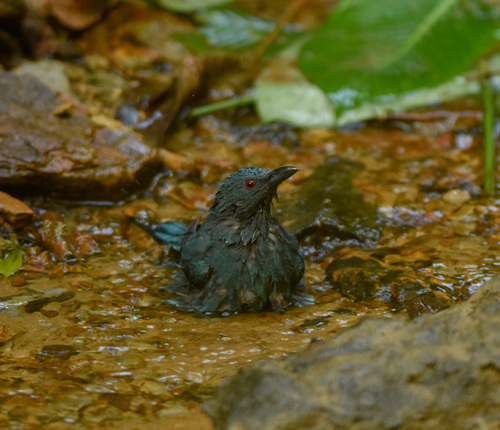
ルリコノハドリ (Irena puella) ルリコノハドリ
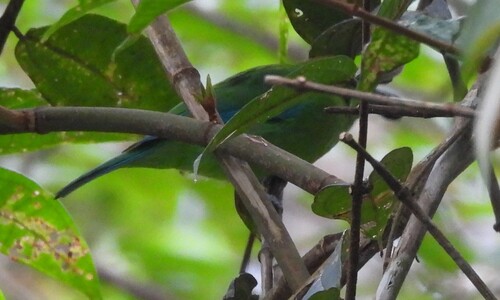
アオバネコノハドリ (Chloropsis moluccensis) アオバネコノハドリ

メディア

読み込み中…

要点

アジアルリコノハドリとアオバネコノハドリを区別する最も信頼できるフィールドマークは、全体の色パターンとコントラストです:成鳥のオスのアジアルリコノハドリは、目を引く光沢のあるウルトラマリンブルーと黒ですが、アオバネコノハドリのオスは緑色の体に黄味がかった頭、黒い顔/喉、青い口髭のラインがあります。両種の雌と幼鳥は混乱を招くことがありますが、ルリコノハドリの雌は上面が茶色がかった青で、下面が青であり、コノハドリの緑色のトーンや青い喉のパッチがありません。飛んでいる時や止まっている時には、ルリコノハドリのより重く光沢のある外観と、コノハドリのより軽く緑が支配する外観、青は翼と喉に限られていることを探してください。両種は東南アジアの森林に生息していますが、ルリコノハドリはより大きく樹上性であり、コノハドリはより活発でしばしば二次成長にいます。

識別のコツ

  1. 成鳥オスの色:オスのアジアルリコノハドリは上面が光沢のあるウルトラマリンブルーで、下面が黒、ライラックの反射と青い先端の羽毛があります;アオバネコノハドリのオスは緑色の体、黄味がかった頭、黒い顔/喉、青い口髭のラインがあります。深い青と黒の鳥を見たら、それはルリコノハドリです;主に緑色で青が翼/喉にのみある場合、それはコノハドリです。
  2. 雌と幼鳥の色:雌のルリコノハドリは上面が茶色がかった青で、下面が青、決して緑ではありません;雌のコノハドリは緑色で青い喉があります。幼鳥のルリコノハドリは雌に似ていますが、下面に黒と鈍い青の混合があるかもしれません;幼鳥のコノハドリは青い喉のパッチがなく緑色です。
  3. 青い喉のパッチ:青い喉のパッチを示すことができるのは、雌と幼鳥のアオバネコノハドリのみ(ルリコノハドリではありません)。緑色の鳥の喉に青があれば、それはコノハドリを示します。
  4. くちばしの構造:ルリコノハドリはより厚く、頑丈な黒いくちばしを持っています;コノハドリのくちばしはより細く、尖っており、昆虫を採るのに適しています。
  5. サイズと印象:ルリコノハドリはより重く、がっしりしており(65g)、より力強く、直立した姿勢を持っています;コノハドリはより小さく、軽く、より敏捷で、しばしば葉の間を素早く移動します。
  6. 顔のパターン:オスのコノハドリは黒い顔と喉に青い口髭のラインがあります;ルリコノハドリはこのパターンを示さず、代わりに青と黒の顔を持っています。
  7. 上面の色:ルリコノハドリ(すべての年齢)はコノハドリの明るい緑の上面を決して示しません;もし鳥が主に上面が緑色であれば、それはコノハドリです。
  8. 翼と尾の青:両種は翼と尾に青を示しますが、ルリコノハドリの青はより広範で強烈で、黒と対比しています;コノハドリの青は限られており、緑に対して配置されています。
  9. 止まっている時と活動的な時:ルリコノハドリはしばしば直立して静かにキャノピーに座ります;コノハドリはより動いている可能性が高く、採餌したり、混成群れにいることが多いです。
  10. 生息地の文脈:ルリコノハドリは成熟した森林のキャノピーを好みます;コノハドリは二次成長、エッジ、そして乱された地域に一般的です。
  11. 鳴き声:他の種を模倣したり、さまざまな豊かな鳴き声を出す鳥を聞いたら、コノハドリを疑ってください;ルリコノハドリはあまり鳴かず、模倣で知られていません。
  12. 虹彩の色:ルリコノハドリは深紅の虹彩とピンクがかったまぶたを持っていますが、これは現場では見えにくいです。
  13. 尾の形:強い違いは記述されていませんが、ルリコノハドリの尾はオスでより頑丈で青光沢に見えるかもしれません。
  14. 季節の変化:オスのルリコノハドリは3月に成鳥の羽毛を獲得し、完全な換羽はありません;もし移行中の鳥(下面に黒と青の混合)を見たら、それは若いルリコノハドリの可能性が高いです。
  15. 一般的な落とし穴:幼鳥のルリコノハドリは鈍く見えることがあり、オスの光沢が欠けていますが、決して緑にはなりません;雌/幼鳥のコノハドリは地味に見えることがありますが、常に何らかの緑を示し(雌では)青い喉のパッチを持っています。

大きさ

アジアルリコノハドリは、アオバネコノハドリよりも明らかに重く(体重約65g [wikidata])長い(24–27 cm)です。アオバネコノハドリはより小さく軽い(正確な体重は示されていませんが、すべてのコノハドリはIrenaよりもかなり軽いです)。ルリコノハドリはフィールドでよりがっしりしており、より厚いくちばしとより力強い印象を持っていますが、コノハドリはより細く敏捷で、採餌に適した細いくちばしを持っています。並べて見ると、ルリコノハドリのサイズと重さは明らかですが、単独の鳥は直接比較しないと誤解される可能性があります。

羽色

行動

アジアルリコノハドリはより樹上性であり、しばしば中層から上層のキャノピーに直立して座り、時には単独またはペアで、慎重に移動します。止まっている時はあまり活動的ではなく、目立ちます。アオバネコノハドリはより活動的で敏捷であり、しばしば混成群れで採餌し、葉の間を素早く移動し、時には逆さまになったり、短時間ホバリングしたりします。コノハドリは二次成長や森林のエッジで見られる可能性が高く、ルリコノハドリはより深い森林と高い止まり木を好みます。両種は鳴くことができますが、コノハドリは特に落ち着きがなく、他の鳥を模倣することがあります。

生息環境

両種は東南アジアの森林に生息していますが、アジアルリコノハドリは成熟した未乱された森林に厳密に結びついており、キャノピーの高い位置でより多くの時間を過ごします。アオバネコノハドリは森林と二次成長の両方に一般的で、エッジや劣化した地域を含み、乱された生息地により適応しています。鳥が密集した未乱された森林、特にキャノピーの高い位置で見られた場合、ルリコノハドリの可能性が高く、二次成長、エッジ、または低い層ではコノハドリの可能性が高いです。

声

アオバネコノハドリは、その多様で豊かな鳴き声で知られており、しばしば他の種を模倣します;その鳴き声は、 whistles、chatter、模倣の混合です。アジアルリコノハドリの声はあまり特徴的ではなく、情報源で詳細に記述されていないため、鳴き声はコノハドリを確認するのに役立つが、ルリコノハドリを除外するのにはあまり役立ちません。もし混乱した鳴き声の混合を出す鳥を聞いたら、特に模倣があれば、コノハドリを疑ってください。

より良い説明を送る

比較と同じ項目を使ってください。文章はすぐに公開されます。

The most reliable field mark to separate Asian Fairy-bluebird from Blue-winged Leafbird is overall color pattern and contrast: adult male Asian Fairy-bluebird is a striking, glossy ultramarine-blue and black, while Blue-winged Leafbird males are green-bodied with a yellowish head, black face/throat, and a blue moustachial line. Females and immatures of both species can be confusing, but fairy-bluebird females are brownish-blue above and blue below, lacking the leafbird's green tones and blue throat patch. In flight or perched, look for the fairy-bluebird’s heavier, glossier appearance and deeper blue-black contrasts versus the leafbird’s lighter, green-dominated look with blue limited to wings and throat. Both species occur in Southeast Asian forests, but the fairy-bluebird is bulkier and more arboreal, while the leafbird is more active and often in second growth.

  1. Adult male color: Male Asian Fairy-bluebird is glossy ultramarine-blue above and black below, with lilac reflections and blue-tipped coverts; Blue-winged Leafbird male is green-bodied, yellowish-headed, with a black face/throat and blue moustachial line. If you see a deep blue-and-black bird, it is a fairy-bluebird; if mostly green with blue only on wings/throat, it is a leafbird.
  2. Female and immature color: Female fairy-bluebird is brownish-blue above and blue below, never green; female leafbird is green with a blue throat. Immature fairy-bluebirds look like females but may have mixed black and dull blue below; immature leafbirds are green without the blue throat patch.
  3. Blue throat patch: Only female and immature Blue-winged Leafbird (not fairy-bluebird) can show a blue throat patch. Any blue on the throat of a green bird points to leafbird.
  4. Bill structure: Fairy-bluebird has a thicker, more robust black bill; leafbird’s bill is finer and more pointed, suited for insect-gleaning.
  5. Size and jizz: Fairy-bluebird is heavier and bulkier (65g), with a more powerful, upright posture; leafbird is smaller, lighter, and more agile, often moving quickly through foliage.
  6. Face pattern: Male leafbird has a black face and throat with a blue moustachial line; fairy-bluebird never shows this pattern, instead having a solid blue and black face.
  7. Upperparts color: Fairy-bluebird (all ages) never shows the bright green upperparts of the leafbird; if the bird is mostly green above, it is a leafbird.
  8. Wing and tail blue: Both species show blue in the wings and tail, but fairy-bluebird’s blue is more extensive and intense, contrasting with black; leafbird’s blue is limited and set against green.
  9. Perched vs active: Fairy-bluebird often sits upright and still in the canopy; leafbird is more likely to be moving, foraging, or in mixed flocks.
  10. Habitat context: Fairy-bluebird prefers mature forest canopy; leafbird is common in second growth, edges, and disturbed areas.
  11. Vocalizations: If you hear a bird mimicking other species or giving a varied, rich mix of calls, suspect leafbird; fairy-bluebird is less vocal and not known for mimicry.
  12. Iris color: Fairy-bluebird has a crimson iris and pinkish eyelids, but this is hard to see in the field.
  13. Tail shape: No strong difference described, but fairy-bluebird’s tail may appear more robust and blue-glossed in males.
  14. Seasonal change: Male fairy-bluebird acquires adult plumage in March without a full moult; if you see a bird in transition (mixed black and blue below), it is likely a young fairy-bluebird.
  15. Common pitfalls: Immature fairy-bluebirds can look dull and lack the male’s gloss, but will never be green; female/immature leafbirds can look plain, but always show some green and (in females) a blue throat patch.

Asian Fairy-bluebird is distinctly heavier (body mass ~65g [wikidata]) and longer (24–27 cm) than Blue-winged Leafbird, which is smaller and lighter (exact mass not given, but all Chloropsis are substantially lighter than Irena). The fairy-bluebird appears bulkier and more robust in the field, with a thicker bill and a more powerful jizz, while the leafbird is more slender and agile, with a finer bill suited for gleaning. If seen side by side, the fairy-bluebird’s size and weight are obvious, but beware that lone birds can be misjudged if not directly compared.

  • Juvenile/immature birds: Young Asian Fairy-bluebirds resemble females, with brownish-blue upperparts and blue below, but often show a mix of black and dull blue on the lower plumage. Young Blue-winged Leafbirds are like females but lack the blue throat patch, appearing overall green with a slightly paler head. No distinctive age-specific upperwing patterns are described for either species, so separation relies on overall color and pattern, not wing panels or flight marks.

  • Adult males: Asian Fairy-bluebird males are glossy ultramarine-blue above with lilac reflections, black below and on the face, and blue-tipped coverts; Blue-winged Leafbird males are green-bodied, yellowish-headed, with a black face/throat and blue moustachial line, and blue in the wings and tail. The fairy-bluebird’s blue is deeper and more extensive, while the leafbird’s blue is restricted to certain areas.

  • Adult females: Fairy-bluebird females are brownish-blue above and blue below, lacking the leafbird’s green tones. Female leafbirds are green overall with a blue throat, and the head is greener than the male’s yellowish head. The fairy-bluebird always lacks the leafbird’s blue throat patch and green upperparts.

  • In flight: Both species show blue in the wings, but the fairy-bluebird’s blue is more intense and contrasts with black, while the leafbird’s blue is limited to the wings and tail, with the rest of the bird green.

Asian Fairy-bluebird is more arboreal and often sits upright in the mid to upper canopy, sometimes alone or in pairs, moving deliberately. It tends to be less active and more conspicuous when perched. Blue-winged Leafbird is more active, agile, and often forages in mixed flocks, moving quickly through foliage, sometimes hanging upside down or hovering briefly. Leafbirds are more likely to be seen in second growth or forest edge, while fairy-bluebirds prefer deeper forest and higher perches. Both species can be vocal, but leafbirds are especially restless and may mimic other birds.

Both species are found in Southeast Asian forests, but Asian Fairy-bluebird is more strictly tied to mature, undisturbed forest and spends more time high in the canopy. Blue-winged Leafbird is common in both forest and second growth, including edges and degraded areas, and is more adaptable to disturbed habitats. If the bird is seen in dense, undisturbed forest, especially high in the canopy, fairy-bluebird is more likely; in secondary growth, edges, or lower strata, leafbird is more probable.

Blue-winged Leafbird is notable for its varied, rich vocalizations, often mimicking other species; its calls are a mixture of whistles, chatters, and imitations. Asian Fairy-bluebird’s voice is less distinctive and not described in detail in the sources, so vocalizations are more useful for confirming leafbird than for ruling out fairy-bluebird. If you hear a bird giving a confusing mix of calls, especially imitations, suspect leafbird.

変更を破棄しますか?

保存していない編集があります。今離れると失われます。

ルリコノハドリ · アオバネコノハドリ · 苦手な鳥