

Asian Fairy-bluebird vs Blue-winged Leafbird
Irena puella contro Chloropsis moluccensis
Fai un quiz con Asian Fairy-bluebird e Blue-winged Leafbird
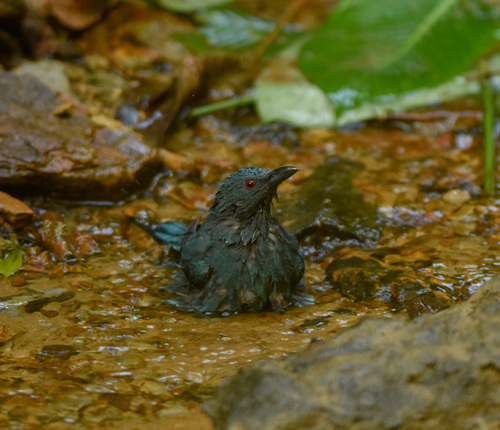 Asian Fairy-bluebird
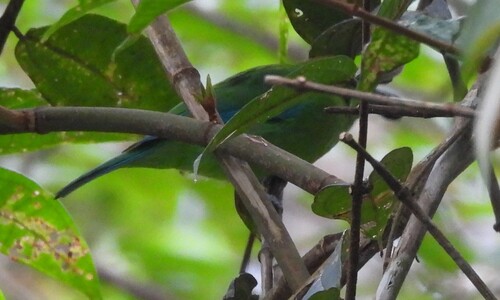 Blue-winged Leafbird
In breve
Il segno di campo più affidabile per separare l'Asian Fairy-bluebird dal Blue-winged Leafbird è il modello di colore e contrasto complessivo: il maschio adulto di Asian Fairy-bluebird è di un blu ultramarino lucido e sorprendente, mentre i maschi di Blue-winged Leafbird hanno un corpo verde con una testa giallastra, un viso/collo nero e una linea blu sul baffo. Le femmine e gli immaturi di entrambe le specie possono essere confusi, ma le femmine di fairy-bluebird sono blu-brunastre sopra e blu sotto, prive delle tonalità verdi e della macchia blu sul collo del leafbird. In volo o posati, cerca l'aspetto più pesante e lucido del fairy-bluebird e i contrasti blu-neri più profondi rispetto all'aspetto più leggero e dominato dal verde del leafbird, con il blu limitato a ali e collo. Entrambe le specie si trovano nelle foreste del Sud-est asiatico, ma il fairy-bluebird è più massiccio e più arboricolo, mentre il leafbird è più attivo e spesso si trova in crescita secondaria.
Consigli di identificazione
- Colore del maschio adulto: Il maschio di Asian Fairy-bluebird è blu ultramarino lucido sopra e nero sotto, con riflessi lilla e copritrici blu; il maschio di Blue-winged Leafbird è di corpo verde, con testa giallastra, viso/collo nero e linea blu sul baffo. Se vedi un uccello blu e nero profondo, è un fairy-bluebird; se è per lo più verde con blu solo su ali/collo, è un leafbird.
- Colore della femmina e dell'immaturo: La femmina di fairy-bluebird è blu-brunastra sopra e blu sotto, mai verde; la femmina di leafbird è verde con un collo blu. Gli immaturi di fairy-bluebird assomigliano alle femmine ma possono avere un misto di nero e blu opaco sotto; gli immaturi di leafbird sono verdi senza la macchia blu sul collo.
- Macchia blu sul collo: Solo la femmina e l'immaturo di Blue-winged Leafbird (non fairy-bluebird) possono mostrare una macchia blu sul collo. Qualsiasi blu sul collo di un uccello verde indica leafbird.
- Struttura del becco: Il fairy-bluebird ha un becco nero più spesso e robusto; il becco del leafbird è più fine e appuntito, adatto per raccogliere insetti.
- Dimensioni e jizz: Il fairy-bluebird è più pesante e massiccio (65g), con una postura più potente, eretta; il leafbird è più piccolo, leggero e più agile, spesso si muove rapidamente tra il fogliame.
- Modello del viso: Il maschio di leafbird ha un viso e un collo neri con una linea blu sul baffo; il fairy-bluebird non mostra mai questo modello, avendo invece un viso blu e nero solido.
- Colore delle parti superiori: Il fairy-bluebird (tutte le età) non mostra mai le brillanti parti superiori verdi del leafbird; se l'uccello è per lo più verde sopra, è un leafbird.
- Blu su ali e coda: Entrambe le specie mostrano blu nelle ali e nella coda, ma il blu del fairy-bluebird è più esteso e intenso, in contrasto con il nero; il blu del leafbird è limitato e impostato contro il verde.
- Posato vs attivo: Il fairy-bluebird spesso si siede eretto e immobile nella chioma; il leafbird è più propenso a muoversi, cercare cibo o trovarsi in stormi misti.
- Contesto dell'habitat: Il fairy-bluebird preferisce la chioma della foresta matura; il leafbird è comune nella crescita secondaria, ai margini e nelle aree disturbate.
- Vocalizzazioni: Se senti un uccello che imita altre specie o che emette un mix variegato e ricco di richiami, sospetta il leafbird; il fairy-bluebird è meno vocale e non è noto per l'imitazione.
- Colore dell'iride: Il fairy-bluebird ha un'iride cremisi e palpebre rosate, ma questo è difficile da vedere sul campo.
- Forma della coda: Non è stata descritta una forte differenza, ma la coda del fairy-bluebird può apparire più robusta e lucida di blu nei maschi.
- Cambiamento stagionale: Il maschio di fairy-bluebird acquisisce il piumaggio adulto a marzo senza una muta completa; se vedi un uccello in transizione (misto di nero e blu sotto), è probabile che sia un giovane fairy-bluebird.
- Trappole comuni: Gli immaturi di fairy-bluebird possono apparire opachi e mancare della lucentezza del maschio, ma non saranno mai verdi; le femmine/gli immaturi di leafbird possono apparire semplici, ma mostrano sempre un po' di verde e (nelle femmine) una macchia blu sul collo.
Taglia
L'Asian Fairy-bluebird è decisamente più pesante (massa corporea ~65g [wikidata]) e più lungo (24–27 cm) rispetto al Blue-winged Leafbird, che è più piccolo e leggero (massa esatta non fornita, ma tutti i Chloropsis sono sostanzialmente più leggeri di Irena). Il fairy-bluebird appare più massiccio e robusto sul campo, con un becco più spesso e un jizz più potente, mentre il leafbird è più snello e agile, con un becco più fine adatto per raccogliere. Se visti fianco a fianco, le dimensioni e il peso del fairy-bluebird sono evidenti, ma fai attenzione che gli uccelli solitari possono essere giudicati male se non confrontati direttamente.
Piumaggio
-
Uccelli giovanili/immaturi: I giovani Asian Fairy-bluebirds assomigliano alle femmine, con parti superiori blu-brunastre e blu sotto, ma mostrano spesso un misto di nero e blu opaco sul piumaggio inferiore. I giovani Blue-winged Leafbirds sono simili alle femmine ma mancano della macchia blu sul collo, apparendo complessivamente verdi con una testa leggermente più chiara. Non sono stati descritti modelli distintivi delle ali specifici per età per nessuna delle due specie, quindi la separazione si basa sul colore e sul modello complessivi, non sui pannelli delle ali o sui segni di volo.
-
Maschi adulti: I maschi di Asian Fairy-bluebird sono blu ultramarino lucido sopra con riflessi lilla, neri sotto e sul viso, e copritrici blu; i maschi di Blue-winged Leafbird sono di corpo verde, con testa giallastra, viso/collo nero e linea blu sul baffo, e blu nelle ali e nella coda. Il blu del fairy-bluebird è più profondo e più esteso, mentre il blu del leafbird è limitato a determinate aree.
-
Femmine adulte: Le femmine di fairy-bluebird sono blu-brunastre sopra e blu sotto, prive delle tonalità verdi del leafbird. Le femmine di leafbird sono verdi nel complesso con un collo blu, e la testa è più verde rispetto alla testa giallastra del maschio. Il fairy-bluebird manca sempre della macchia blu sul collo del leafbird e delle parti superiori verdi.
-
In volo: Entrambe le specie mostrano blu nelle ali, ma il blu del fairy-bluebird è più intenso e contrasta con il nero, mentre il blu del leafbird è limitato alle ali e alla coda, con il resto dell'uccello verde.
Comportamento
L'Asian Fairy-bluebird è più arboricolo e spesso si siede eretto nella chioma centrale o superiore, a volte da solo o in coppie, muovendosi deliberatamente. Tende a essere meno attivo e più evidente quando è posato. Il Blue-winged Leafbird è più attivo, agile e spesso cerca cibo in stormi misti, muovendosi rapidamente tra il fogliame, a volte appeso a testa in giù o sospeso brevemente. I leafbirds sono più propensi a essere visti nella crescita secondaria o ai margini della foresta, mentre i fairy-bluebirds preferiscono foreste più profonde e posatoi più alti. Entrambe le specie possono essere vocali, ma i leafbirds sono particolarmente irrequieti e possono imitare altri uccelli.
Habitat
Entrambe le specie si trovano nelle foreste del Sud-est asiatico, ma l'Asian Fairy-bluebird è più strettamente legato a foreste mature e indisturbate e trascorre più tempo in alto nella chioma. Il Blue-winged Leafbird è comune sia nella foresta che nella crescita secondaria, inclusi i margini e le aree degradate, ed è più adattabile agli habitat disturbati. Se l'uccello è visto in una foresta densa e indisturbata, specialmente in alto nella chioma, è più probabile che sia un fairy-bluebird; nella crescita secondaria, ai margini o negli strati inferiori, è più probabile che sia un leafbird.
Voce
Il Blue-winged Leafbird è noto per le sue vocalizzazioni variegate e ricche, spesso imitando altre specie; i suoi richiami sono un mix di fischi, chiacchiere e imitazioni. La voce dell'Asian Fairy-bluebird è meno distintiva e non è descritta in dettaglio nelle fonti, quindi le vocalizzazioni sono più utili per confermare il leafbird che per escludere il fairy-bluebird. Se senti un uccello che emette un mix confuso di richiami, specialmente imitazioni, sospetta il leafbird.
Asian Fairy-bluebird · Blue-winged Leafbird · I miei uccelli difficili