

Seychelles Bulbul vs Malagasy White-eye
Hypsipetes crassirostris contro Zosterops maderaspatanus
Fai un quiz con Seychelles Bulbul e Malagasy White-eye
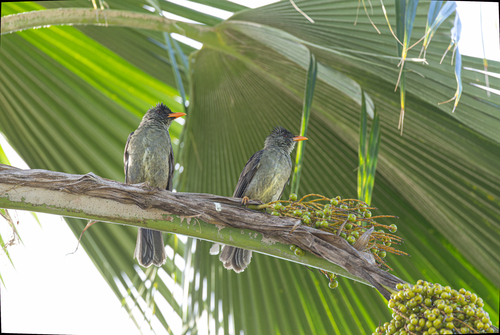 Seychelles Bulbul
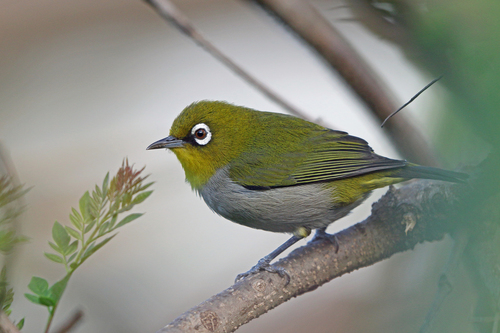 Malagasy White-eye
In breve
Il modo più affidabile per separare il Seychelles Bulbul dal Malagasy White-eye è la struttura generale e la forma del becco: il bulbul è molto più grande, con un becco spesso e pesante, mentre il white-eye è piccolo e delicato con un becco fine e appuntito. In tutte le livree, il Malagasy White-eye mostra un anello oculare bianco incompleto distintivo e una gola gialla, che il bulbul non ha. Entrambi possono essere trovati alle Seychelles, ma la loro dimensione, jizz e il motivo della testa sono indiscutibilmente diversi a qualsiasi età o stagione. Anche a distanza, la massa e il becco robusto del bulbul contrastano nettamente con la costruzione delicata del white-eye.
Consigli di identificazione
- Dimensione e struttura: Seychelles Bulbul è molto più grande e massiccio del Malagasy White-eye. Se vedi un uccello che sembra piccolo, delicato e veloce, è quasi certamente il white-eye.
- Forma del becco: Il bulbul ha un becco spesso, pesante e robusto, mentre il becco del white-eye è fine, appuntito e molto più corto rispetto alla dimensione della testa. La forma del becco è visibile anche a distanza moderata.
- Anello oculare: Il Malagasy White-eye ha un anello oculare bianco incompleto distintivo (rotto nella parte anteriore), che non è mai presente nel bulbul. Questo è un segno distintivo sul campo a tutte le età e stagioni.
- Motivo della testa: La testa del bulbul è uniformemente scura senza marcature chiare o bianche, mentre il volto del white-eye è evidenziato dall'anello oculare bianco e dalla gola gialla.
- Colore della gola: Il white-eye mostra una gola gialla brillante, in contrasto con il suo ventre grigio chiaro. Il bulbul non ha alcun giallo sulla gola o sul ventre.
- Ventre: Il Malagasy White-eye ha un ventre grigio chiaro, mentre il bulbul è più uniformemente scuro sotto.
- Parte superiore: La schiena, le ali e la coda del white-eye sono di un verde oliva scuro; il bulbul è generalmente più scuro e privo della tonalità oliva.
- Colore delle zampe: Il white-eye ha zampe e piedi grigio-blu. Anche se non sempre visibile, questo può aiutare a distanza ravvicinata.
- Colore del becco: Il becco del white-eye è bicolore (superiore nera, inferiore grigia), mentre quello del bulbul è uniformemente scuro e molto più spesso.
- Comportamento: I white-eye sono tipicamente attivi, muovendosi rapidamente tra il fogliame, spesso in piccoli gruppi. I bulbul sono più robusti e possono essere visti singolarmente o in coppie, muovendosi in modo più deliberato.
- Postura in perching: I bulbul si posano in posizione eretta e appaiono robusti; i white-eye sono più orizzontali e delicati.
- Volo: Non sono descritti segni distintivi delle ali o del volo per nessuna delle due specie, quindi fai affidamento su dimensione e struttura in volo.
- Habitat: Entrambi possono essere trovati in habitat simili alle Seychelles, quindi non fare affidamento solo sull'habitat per la separazione.
- Voce: Non descritta nelle fonti; non usarla per la separazione qui.
- Trappole: Non farti ingannare dall'oscurità generale; concentrati sulla presenza o assenza dell'anello oculare bianco e della gola gialla, e controlla sempre la forma e la dimensione del becco per conferma.
Taglia
Il Seychelles Bulbul è sostanzialmente più grande e pesante del Malagasy White-eye. Il white-eye ha una massa corporea di circa 11,2 g [wikidata], ed è descritto come cresciuto fino a circa 10 cm (4 in) di lunghezza [wikipedia]. Il bulbul, pur non avendo una massa specifica qui, è un membro tipico della sua famiglia ed è molto più massiccio e lungo di qualsiasi white-eye. Sul campo, questa differenza di dimensione è immediatamente evidente quando i due sono visti nella stessa area: il bulbul è robusto, con un corpo largo e un becco spesso, mentre il white-eye è minuto e snodato.
Piumaggio
- Livree giovanili/immature: Non sono descritti segni specifici per l'ala superiore o il volo per nessuna delle due specie nelle fonti, quindi la separazione si basa sulla colorazione generale e sul motivo della testa a tutte le età.
- Adulto (e presumibilmente immaturo) Seychelles Bulbul: Mancano di qualsiasi anello oculare bianco; la testa è scura e il becco è spesso e pesante. La colorazione generale è scura e uniforme, senza gola gialla o ventre chiaro.
- Adulto Malagasy White-eye: Mostra una schiena, ali e coda di un verde oliva scuro, una gola gialla, un ventre grigio chiaro e un anello oculare bianco incompleto distintivo (rotto nella parte anteriore). Il becco è fine e appuntito, con una mandibola superiore nera e una mandibola inferiore grigia. Le zampe sono grigio-blu. Queste caratteristiche sono presenti in tutte le età e stagioni osservate.
- Contrasto chiave: L'anello oculare bianco incompleto e la gola gialla del white-eye sono unici e mai mostrati dal bulbul, mentre il becco spesso del bulbul e la mancanza di qualsiasi anello oculare o gola gialla sono diagnostici.
Comportamento
Non sono descritte differenze comportamentali dirette nelle fonti. Tuttavia, basandosi sulla struttura e sulla famiglia, il Seychelles Bulbul è probabile che si muova in modo più deliberato e possa essere visto posato in posizione eretta o cercando cibo in modo più robusto e assertivo. Il Malagasy White-eye, essendo molto più piccolo e leggero, è tipicamente più attivo, svolazzando rapidamente tra il fogliame, spesso in piccoli gruppi. Queste differenze nel movimento e nella postura possono aiutare a rafforzare l'identificazione, specialmente quando entrambe le specie sono presenti.
Habitat
Entrambe le specie possono essere trovate alle Seychelles, ma il Malagasy White-eye è anche presente in Madagascar e occupa una gamma più ampia di habitat, inclusi boschi secchi, foreste umide di pianura e montane, e mangrovie [wikipedia]. Il Seychelles Bulbul è endemico delle Seychelles e si riproduce su diverse isole principali. Nelle aree sovrapposte, l'habitat da solo non è diagnostico, ma il white-eye può essere incontrato in una varietà più ampia di tipi di foresta, mentre il bulbul è più legato agli habitat principali delle isole.
Seychelles Bulbul · Malagasy White-eye · I miei uccelli difficili