

Bulbul Picogordo vs Anteojitos Malgache
Hypsipetes crassirostris frente a Zosterops maderaspatanus
Juega un quiz con Bulbul Picogordo y Anteojitos Malgache
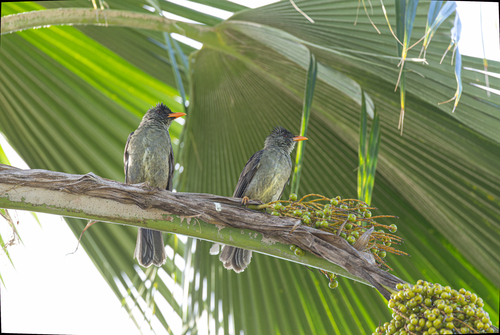 Bulbul Picogordo
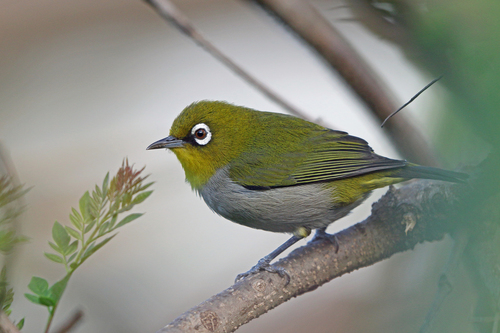 Anteojitos Malgache
En breve
La forma más confiable de separar el Bulbul Picogordo del Anteojitos Malgache es por la estructura general y la forma del pico: el bulbul es mucho más grande, con un pico grueso y pesado, mientras que el anteojitos es pequeño y delicado con un pico fino y puntiagudo. En todos los plumajes, el Anteojitos Malgache muestra un distintivo anillo ocular blanco incompleto y una garganta amarilla, que el bulbul carece. Ambos pueden encontrarse en las Seychelles, pero su tamaño, apariencia y patrón de cabeza son inconfundiblemente diferentes a cualquier edad o estación. Incluso a distancia, la robustez y el pico fuerte del bulbul contrastan marcadamente con la construcción delicada del anteojitos.
Consejos de identificación
- Tamaño y estructura: El Bulbul Picogordo es mucho más grande y robusto que el Anteojitos Malgache. Si ves un pájaro que parece pequeño, delicado y rápido, casi con seguridad es el anteojitos.
- Forma del pico: El bulbul tiene un pico grueso, pesado y fuerte, mientras que el pico del anteojitos es fino, puntiagudo y mucho más corto en relación con el tamaño de la cabeza. La forma del pico es visible incluso a una distancia moderada.
- Anillo ocular: El Anteojitos Malgache tiene un distintivo anillo ocular blanco incompleto (roto en la parte frontal), que nunca está presente en el bulbul. Esta es una marca clave de campo en todas las edades y estaciones.
- Patrón de cabeza: La cabeza del bulbul es uniformemente oscura sin marcas pálidas o blancas, mientras que la cara del anteojitos está resaltada por el anillo ocular blanco y la garganta amarilla.
- Color de la garganta: El anteojitos muestra una garganta amarilla brillante, contrastando con sus partes inferiores gris pálido. El bulbul carece de cualquier amarillo en la garganta o partes inferiores.
- Partes inferiores: El Anteojitos Malgache tiene partes inferiores gris pálido, mientras que el bulbul es más uniformemente oscuro por debajo.
- Partes superiores: La espalda, alas y cola del anteojitos son de un verde oliva oscuro; el bulbul es generalmente más oscuro y carece del tono oliva.
- Color de las patas: El anteojitos tiene patas y pies azul grisáceo. Aunque no siempre son visibles, esto puede ayudar a corta distancia.
- Color del pico: El pico del anteojitos es bicolor (superior negro, inferior gris), mientras que el del bulbul es uniformemente oscuro y mucho más grueso.
- Comportamiento: Los anteojitos son típicamente activos, moviéndose rápidamente a través del follaje, a menudo en pequeños grupos. Los bulbuls son más robustos y pueden verse solos o en parejas, moviéndose de manera más deliberada.
- Postura posada: Los bulbuls se posan erguidos y parecen robustos; los anteojitos son más horizontales y delicados.
- Vuelo: No se describen marcas distintivas de alas o patrones de vuelo para ninguna de las especies, así que confía en el tamaño y la estructura en vuelo.
- Hábitat: Ambas pueden encontrarse en hábitats similares en las Seychelles, así que no confíes solo en el hábitat para la separación.
- Voz: No se describe en las fuentes; no la uses para la separación aquí.
- Trampas: No te dejes engañar por la oscuridad general; concéntrate en la presencia o ausencia del anillo ocular blanco y la garganta amarilla, y siempre verifica la forma y el tamaño del pico para confirmación.
Tamaño
El Bulbul Picogordo es sustancialmente más grande y pesado que el Anteojitos Malgache. El anteojitos tiene una masa corporal de aproximadamente 11.2 g [wikidata], y se describe como creciendo hasta aproximadamente 10 cm (4 in) de longitud [wikipedia]. El bulbul, aunque no se le da una masa específica aquí, es un miembro típico de su familia y es mucho más robusto y largo que cualquier anteojitos. En el campo, esta diferencia de tamaño es inmediatamente evidente cuando se ven los dos en la misma área: el bulbul es robusto, de cuerpo ancho y con un pico grueso, mientras que el anteojitos es pequeño y esbelto.
Plumaje
- Plumajes juveniles/inmaduros: No se describen marcas específicas de alas superiores o de vuelo para ninguna de las especies en las fuentes, por lo que la separación depende de la coloración general y el patrón de cabeza en todas las edades.
- Adulto (y presumiblemente inmaduro) Bulbul Picogordo: Carece de cualquier anillo ocular blanco; la cabeza es oscura, y el pico es grueso y pesado. La coloración general es oscura y uniforme, sin garganta amarilla ni vientre pálido.
- Adulto Anteojitos Malgache: Muestra una espalda, alas y cola de un verde oliva oscuro, una garganta amarilla, partes inferiores gris pálido, y un distintivo anillo ocular blanco incompleto (roto en la parte frontal). El pico es fino y puntiagudo, con una mandíbula superior negra y una mandíbula inferior gris. Las patas son azul grisáceo. Estas características están presentes en todas las edades y estaciones observadas.
- Contraste clave: El anillo ocular blanco incompleto y la garganta amarilla del anteojitos son únicos y nunca mostrados por el bulbul, mientras que el pico grueso del bulbul y la falta de cualquier anillo ocular o garganta amarilla son diagnósticos.
Comportamiento
No se describen diferencias de comportamiento directas en las fuentes. Sin embargo, basándose en la estructura y la familia, es probable que el Bulbul Picogordo se mueva de manera más deliberada y pueda verse posado erguido o forrajeando de una manera más robusta y asertiva. El Anteojitos Malgache, siendo mucho más pequeño y ligero, es típicamente más activo, moviéndose rápidamente entre el follaje, a menudo en pequeños grupos. Estas diferencias en movimiento y postura pueden ayudar a reforzar la identificación, especialmente cuando ambas especies están presentes.
Hábitat
Ambas especies pueden encontrarse en las Seychelles, pero el Anteojitos Malgache también está presente en Madagascar y ocupa una gama más amplia de hábitats, incluyendo bosques secos, bosques húmedos de tierras bajas y montanos, y manglares [wikipedia]. El Bulbul Picogordo es endémico de las Seychelles y se reproduce en varias islas principales. En áreas superpuestas, el hábitat por sí solo no es diagnóstico, pero el anteojitos puede encontrarse en una variedad más amplia de tipos de bosque, mientras que el bulbul está más vinculado a los hábitats centrales de las islas.