

Northern Harrier vs Sharp-shinned Hawk
Circus hudsonius contro Accipiter striatus
Fai un quiz con Northern Harrier e Sharp-shinned Hawk
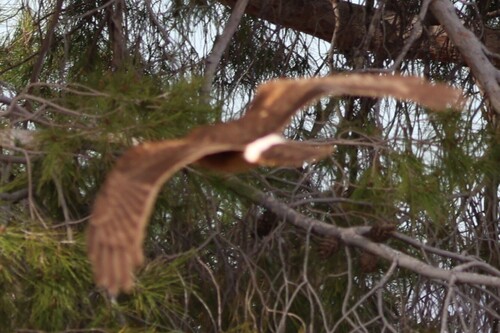 Northern Harrier
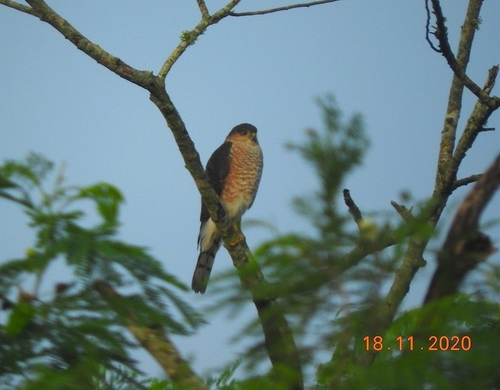 Sharp-shinned Hawk
In breve
Il segno distintivo più affidabile per separare il Northern Harrier dallo Sharp-shinned Hawk sul campo—specialmente per gli immaturi in volo—è la lunga e sottile ala del harrier tenuta in una V poco profonda e la sua lunga coda, rispetto alle ali corte e arrotondate e alla coda squadrata dello sharpie. I giovani harrier mostrano una distintiva macchia bianca sulla parte posteriore e volano bassi su terreni aperti, mentre gli sharp-shinned hawks non hanno la macchia sulla parte posteriore e hanno un volo più compatto, a battiti e planate. I maschi adulti di harrier sono grigi chiari sopra, ma le femmine e gli immaturi sono marroni e possono essere confusi con gli Accipitri; cerca il disco facciale simile a un gufo del harrier e le proporzioni complessivamente slanciate. Gli Sharp-shinned Hawks sono molto più piccoli, con ali e coda proporzionalmente più corte, e sono più spesso visti sfrecciare attraverso i boschi o agguantare uccelli ai mangiatoie.
Consigli di identificazione
- White rump patch: Il Northern Harrier di qualsiasi età o sesso mostra una marcata macchia bianca sulla parte posteriore sopra la coda, visibile in tutte le posture—lo Sharp-shinned Hawk non mostra mai questo. Se vedi una parte posteriore bianca, è un harrier.
- Wing shape and flight style: Gli harrier hanno ali lunghe e sottili tenute in una V poco profonda (dihedrale) e volano bassi con planate galleggianti e inclinate; gli sharpies hanno ali corte e arrotondate e volano con battiti rapidi e planate brevi, di solito in linea retta o intrecciandosi tra gli alberi.
- Tail shape: Le code degli harrier sono lunghe e arrotondate, spesso aperte; le code degli sharpie sono più corte, squadrate o leggermente incise, con una punta bianca stretta a volte visibile.
- Size: Anche una femmina di sharpie è molto più piccola di un maschio di harrier; gli harrier appaiono slanciati ed allungati, gli sharpies compatti e tozzi. La dimensione è meglio giudicata con l'esperienza o quando gli uccelli sono affiancati.
- Facial disc: Gli harrier hanno un disco facciale simile a un gufo, che conferisce un aspetto di faccia piatta in buona luce; gli sharpies hanno un tipico volto da falco con un cappuccio scuro e senza disco.
- Perched posture: Gli harrier raramente si posano sugli alberi tranne che al nido o al riposo, di solito visti a terra o su pali bassi; gli sharpies si posano dritti sugli alberi o sui pali, spesso sembrando all'erta e compatti.
- Plumage—juvenile: I giovani harrier sono marroni sopra, striati sotto, con una parte posteriore bianca; i giovani sharpies sono marroni sopra con un aspetto squamoso, pesantemente striati sotto, ma senza macchia sulla parte posteriore.
- Plumage—adult: I maschi adulti di harrier sono grigi chiari sopra e sotto; gli adulti sharpies sono blu-grigi sopra con un cappuccio scuro e striature rugginose sotto. Le femmine e gli immaturi di harrier sono marroni, ma mostrano ancora la parte posteriore bianca.
- Legs: Gli Sharp-shinned Hawks hanno gambe molto sottili e lunghe di colore giallo (da cui il nome); le gambe degli harrier sono proporzionalmente più lunghe della maggior parte dei falchi, ma non così esili come quelle di uno sharpie.
- Eye color: I giovani sharpie hanno occhi gialli, gli adulti arancioni o rossi; il colore degli occhi degli harrier è meno evidente sul campo e non è un segno primario.
- Habitat: Gli harrier si trovano in campagna aperta, gli sharpies nei boschi o ai mangiatoie. Il contesto è un forte indizio.
- Hunting behavior: Gli harrier volano bassi sui campi; gli sharpies sfrecciano tra gli alberi o agguantano ai mangiatoie.
- Vocalizations: Entrambi sono per lo più silenziosi lontano dal nido; i richiami non sono affidabili per l'identificazione sul campo.
- Common pitfalls: Gli immaturi harrier e gli sharpies sono entrambi marroni sopra e striati sotto; controlla sempre la parte posteriore bianca e lo stile di volo. Un harrier nel bosco è raro; uno sharpie sopra una palude è insolito.
- Sexual dimorphism: Entrambe le specie mostrano dimorfismo sessuale con le femmine più grandi, ma questo non aiuta a separarli sul campo.
Taglia
Il Northern Harrier è sostanzialmente più grande e con ali più lunghe: i maschi sono lunghi 41–52 cm (16–20 in) con un'apertura alare di 97–122 cm (38–48 in), le femmine ancora più pesanti e lunghe. Lo Sharp-shinned Hawk è molto più piccolo, con maschi lunghi 23–30 cm (9.1–11.8 in) e un'apertura alare di 42–58 cm (17–23 in); le femmine sono più grandi dei maschi ma comunque ben al di sotto delle dimensioni del harrier. Anche una femmina di sharpie è ridotta rispetto a un maschio di harrier. Sul campo, gli harrier appaiono slanciati e sottili, gli sharpies compatti e tozzi.
Piumaggio
I Northern Harriers giovanili/immaturi di entrambi i sessi mostrano una prominente macchia bianca sulla parte posteriore a tutte le età, visibile in tutte le posture ma specialmente in volo—questo è assente nello Sharp-shinned Hawk di qualsiasi età. I giovani harrier sono marroni sopra con parti inferiori striate, mentre i giovani sharpies sono marroni sopra con un aspetto squamoso e pesanti striature marroni sotto, ma senza parte posteriore bianca. I maschi adulti di harrier sono grigi chiari sopra e sotto (il 'Fantasma Grigio'), le femmine e gli immaturi sono marroni con una tonalità rugginosa. Gli adulti sharp-shinned hanno parti superiori blu-grigie, un cappuccio scuro e striature rugginose sotto; la loro coda è a bande e di solito ha una punta quadrata, a volte con una punta bianca stretta. In volo, le ali degli harrier sono lunghe e strette con un bordo posteriore dritto, mentre le ali degli sharpie sono corte, larghe e arrotondate, con una coda squadrata e senza macchia sulla parte posteriore. I giovani sharpies hanno occhi gialli, gli adulti arancioni o rossi; il colore degli occhi degli harrier è meno distintivo sul campo.
Comportamento
I Northern Harriers cacciano volando bassi su campi aperti e paludi, con le ali tenute in una dihedrale poco profonda (V), spesso inclinando e planando con un volo galleggiante simile a un gufo. Raramente si posano sugli alberi tranne che al riposo o al nido. Gli Sharp-shinned Hawks sono predatori ambush nei boschi, volando con rapidi scoppi di battiti e brevi planate, spesso sfrecciando attraverso coperture dense o agguantando piccoli uccelli ai mangiatoie. Gli sharpies si posano sugli alberi o sui pali, raramente visti volare bassi su terreni aperti per periodi prolungati.
Habitat
I Northern Harriers sono uccelli di campagna aperta—paludi, praterie, prati e campi—raramente avventurandosi in boschi densi. Gli Sharp-shinned Hawks preferiscono foreste e bordi boschivi, ma possono essere visti nei cortili suburbani, specialmente vicino ai mangiatoie per uccelli. Se vedi un rapace volare basso su una palude o un campo, è molto più probabile che sia un harrier; un piccolo falco che sfreccia tra gli alberi o vicino ai mangiatoie è quasi certamente uno sharpie.
Voce
I Northern Harriers sono per lo più silenziosi, ma entrambi i sessi emettono brevi e rapidi suoni 'kek', specialmente quando allarmati o durante la riproduzione. Le femmine possono urlare forte durante la stagione di riproduzione. Gli Sharp-shinned Hawks sono anche generalmente silenziosi, con richiami acuti e rapidi 'kik-kik-kik' al nido o quando allarmati, ma questi sono raramente uditi in migrazione o durante la caccia. Le vocalizzazioni non sono solitamente utili per la separazione sul campo.
Northern Harrier · Sharp-shinned Hawk · I miei uccelli difficili