
Common Poorwill vs Chuck-will's-widow
Phalaenoptilus nuttallii contro Antrostomus carolinensis
Fai un quiz con Common Poorwill e Chuck-will's-widow
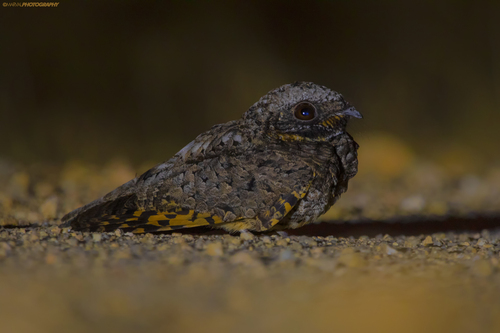 Common Poorwill
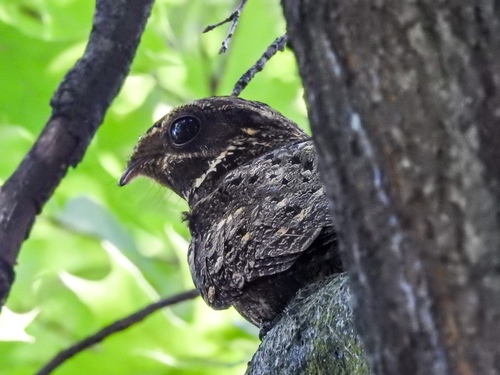 Chuck-will's-widow
In breve
Il segno di campo più affidabile tra il Common Poorwill e il Chuck-will's-widow è la dimensione: il Common Poorwill è molto più piccolo e compatto, con una coda corta e ali arrotondate, mentre il Chuck-will's-widow è il più grande succiacapre nordamericano, con una coda lunga e ali larghe. Negli uccelli in posa, nota il piumaggio grigio chiaro e finemente disegnato del Poorwill e la coda corta, rispetto all'aspetto bruno-rossastro e pesantemente maculato del Chuck-will's-widow e alla coda lunga. Entrambe le specie hanno bianco nelle penne esterne della coda (più evidente nei maschi), ma l'aspetto generale e le proporzioni sono notevolmente diversi. L'habitat può aiutare: il Poorwill preferisce aree secche, aperte e spesso rocciose, mentre il Chuck-will's-widow è legato a boschi e paludi nel sud-est.
Consigli di identificazione
- Size is the first check: Il Common Poorwill è molto più piccolo e compatto del Chuck-will's-widow. Se l'uccello sembra quasi grande come un pettirosso o più grande, non è un Poorwill.
- Tail length and shape: Il Poorwill ha una coda corta e arrotondata che si estende appena oltre le punte delle ali a riposo. Il Chuck-will's-widow ha una coda lunga e squadrata che è evidente sia in posa che in volo.
- Wing proportions: Le ali del Poorwill sono corte e arrotondate, con punte che raggiungono appena la fine della coda a riposo. Le ali del Chuck-will's-widow sono larghe e lunghe, spesso estendendosi ben oltre il corpo quando è in posa.
- Plumage color: Il Poorwill è grigio chiaro e nero sopra, con un aspetto ghiacciato e finemente disegnato. Il Chuck-will's-widow è di un ricco bruno-rossastro, con linee nere audaci e una gola color crema.
- White in tail: Entrambi hanno punte bianche sulle penne esterne della coda (più nei maschi), ma nel Poorwill l'effetto è sottile e la coda è corta; nel Chuck-will's-widow, le macchie bianche sono più grandi e la coda è molto più lunga.
- Underparts: Le parti inferiori del Poorwill sono meno contrastanti, mentre il Chuck-will's-widow mostra maculature bruno-rossastre e una macchia di gola color crema.
- Head and face: Il Chuck-will's-widow ha un aspetto più robusto e con una testa larga con una grande apertura; la testa del Poorwill è più piccola e meno massiccia.
- Bill: Entrambi hanno becchi corti, ma quello del Poorwill è proporzionalmente piccolo per un succiacapre, mentre quello del Chuck-will's-widow è più grande e si adatta alla sua testa complessivamente più massiccia.
- Jizz in flight: Il Poorwill appare simile a un pipistrello, veloce e compatto in volo. Il Chuck-will's-widow è lento, galleggiante e con ali larghe, con una lunga coda che si trascina.
- Habitat context: Terreno secco, roccioso o prateria aperta = Poorwill. Boschi umidi, paludi o foreste di pini nel sud-est = Chuck-will's-widow.
- Geographic range: Il Poorwill è occidentale (BC fino al nord del Messico); il Chuck-will's-widow è nel sud-est degli Stati Uniti, con alcune popolazioni periferiche.
- Voice: Ascolta un semplice 'poor-will' (Poorwill) ripetuto rispetto a un 'chuck-will's-widow' più complesso e rotolante (Chuck-will's-widow).
- Feeding behavior: Se vedi un succiacapre saltare da terra per catturare insetti, è più probabile che sia un Poorwill. Se ne vedi uno che prende prede grandi (anche piccoli uccelli), è un Chuck-will's-widow.
- Seasonal context: Entrambi sono migratori, ma il Poorwill è più probabile che si trovi in regioni aride tutto l'anno; il Chuck-will's-widow è un riproduttore estivo negli Stati Uniti e trascorre l'inverno nei tropici.
- Pitfalls: I Chuck-will's-widows immaturi e femminili possono apparire più opachi e meno rossastri, ma saranno comunque molto più grandi e con una coda più lunga di qualsiasi Poorwill. Controlla sempre prima la dimensione e la lunghezza della coda.
Taglia
La dimensione è la differenza più netta: il Common Poorwill è il più piccolo succiacapre nordamericano, con una massa corporea di circa 48 g, una lunghezza di circa 18 cm (7.1 in) e un'apertura alare di 30 cm (12 in). Il Chuck-will's-widow è il più grande, con una lunghezza di 28–33 cm (11–13 in), un'apertura alare di 58–66 cm (23–26 in) e una massa corporea che varia da 66 a 188 g. Sul campo, il Chuck-will's-widow appare molto più grande, con una coda visibilmente più lunga e ali più larghe. Il Poorwill appare compatto e con una coda corta in confronto.
Piumaggio
Non sono descritti segni specifici per età o segni di volo giovanili per nessuna delle due specie nelle note, quindi ci si concentra sul piumaggio adulto e generale. Il Common Poorwill è grigio chiaro e nero sopra, con una fine patternizzazione e un aspetto generalmente ghiacciato e attenuato. Le sue penne esterne della coda sono punteggiate di bianco, più prominenti nei maschi, ma la coda è corta e arrotondata. Il Chuck-will's-widow è molto più ricco di colore, con piume bruno-rossastre bordate di nero, una patternizzazione bruna e bianca sulla testa e sul petto, e una gola color crema. Le parti inferiori sono maculate di bruno, e i maschi hanno macchie bianche sulle penne esterne della coda, ma la coda è molto più lunga e più squadrata. L'impressione generale è che il Poorwill sia freddo, grigio e finemente marcato, mentre il Chuck-will's-widow è caldo, rossastro e grossolanamente maculato.
Comportamento
Entrambi sono notturni e si nutrono di insetti volanti, ma il Common Poorwill spesso cattura prede da o vicino al suolo, a volte saltando da terra per catturare insetti. Il Chuck-will's-widow è più propenso a catturare prede in volo ed è noto per ingoiare piccoli uccelli e pipistrelli interi, un comportamento non riportato per il Poorwill. Il Poorwill è anche unico tra i succiacapre nordamericani per la sua capacità di entrare in torpore, ma questo non è un segno di campo. Entrambi possono bere in volo.
Habitat
L'habitat è un forte indizio contestuale. Il Common Poorwill si trova in aree secche e aperte con erba o arbusti, comprese le pendici desertiche rocciose con vegetazione scarsa, principalmente negli Stati Uniti occidentali, in British Columbia, Alberta e nel nord del Messico. Il Chuck-will's-widow è un uccello del sud-est degli Stati Uniti, che favorisce paludi, boschi di pini e altipiani rocciosi, ed è assente dagli habitat aridi preferiti dal Poorwill. Se ti trovi in un'area secca, rocciosa o simile a un deserto, è molto più probabile che sia un Poorwill; in boschi umidi o paludi, specialmente nel sud-est, ci si aspetta un Chuck-will's-widow.
Voce
Entrambe le specie hanno richiami distintivi e ripetitivi. Il richiamo del Common Poorwill è un monotono 'poor-will', a volte con una terza sillaba 'bassa' a distanza ravvicinata, e produce una nota 'chuck' in volo. Il canto del Chuck-will's-widow è una serie di richiami con una nota centrale vibrante tra due note più corte, più lento, a tono più basso e meno penetrante rispetto al Whip-poor-will. I nomi sono onomatopeici: 'poor-will' contro 'chuck-will's-widow'. Sul campo, il richiamo del Poorwill è più semplice e di tono più alto, mentre quello del Chuck-will's-widow è più complesso e risonante.
Common Poorwill · Chuck-will's-widow · I miei uccelli difficili