

Brown Thornbill vs Chestnut-rumped Thornbill
Acanthiza pusilla contro Acanthiza uropygialis
Fai un quiz con Brown Thornbill e Chestnut-rumped Thornbill
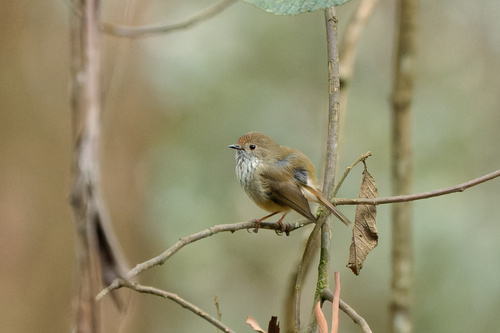 Brown Thornbill
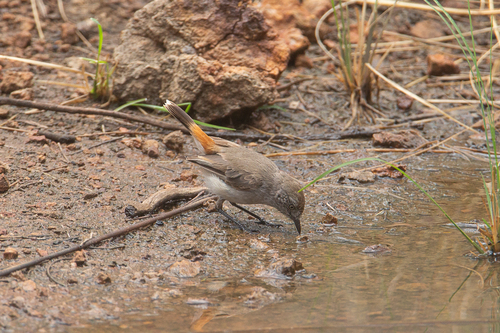 Chestnut-rumped Thornbill
In breve
Il segno di campo più affidabile per separare il Brown Thornbill dal Chestnut-rumped Thornbill è il colore del sopracciglio e dell'iride: il Chestnut-rumped Thornbill mostra sempre un ricco sopracciglio castano e un occhio chiaro, mentre il Brown Thornbill ha un sopracciglio fulvo (non castano) e occhi rossi scuri e sorprendenti. Il Brown Thornbill è di un marrone più caldo sopra con forti striature sulla gola e sul petto, mentre il Chestnut-rumped Thornbill è più chiaro, più semplice e privo di forti striature sotto. I giovani di entrambi sono più opachi, ma il sopracciglio castano e l'occhio chiaro del Chestnut-rumped sono ancora utili. Entrambi sono piccoli e attivi thornbills, ma i loro habitat preferiti raramente si sovrappongono: il Brown Thornbill è un uccello forestale orientale, mentre il Chestnut-rumped è una specie interna di boschi aperti e cespugli.
Consigli di identificazione
- Colore del sopracciglio (tutte le età): Il Chestnut-rumped Thornbill mostra sempre una macchia di sopracciglio castano ricco, visibile sia in posizione per chi si posa che in volo; il sopracciglio del Brown Thornbill è fulvo o marrone, mai veramente castano.
- Colore degli occhi (adulti e la maggior parte degli immaturi): Il Brown Thornbill ha occhi rossi scuri sorprendenti; il Chestnut-rumped Thornbill ha un'iride chiara (crema o bianco grigiastro). Questo è spesso visibile a distanza ravvicinata o in buona luce.
- Striature sulla gola e sul petto (adulti): Il Brown Thornbill mostra forti striature nere su una gola e un petto grigi, dando un aspetto fortemente marcato; il Chestnut-rumped Thornbill è semplice bianco sotto con poche o nessuna striatura.
- Pattern della fronte (adulti): Il Brown Thornbill ha scaglie color crema sulla fronte; il Chestnut-rumped Thornbill ha una sfumatura ruggine ma manca di forti scaglie.
- Pattern della coda (tutte le età): Entrambi hanno code per lo più nere con punte chiare, ma le punte della coda del Chestnut-rumped Thornbill sono più chiare nei giovani (fulvo, non bianco). Questo è sottile e non sempre diagnostico.
- Parti inferiori (tutte le età): I fianchi del Brown Thornbill sono di un color oliva-fulvo a bianco giallastro; il Chestnut-rumped è bianco più pulito sotto, specialmente nelle popolazioni aride.
- Copritrici auricolari: Il Chestnut-rumped Thornbill ha copritrici auricolari chiare e macchiate; quelle del Brown Thornbill sono meno distinte.
- Becco e struttura: Entrambi sono simili nella struttura, senza forti differenze nella forma o nella lunghezza del becco. Non fare affidamento solo sulla struttura.
- Habitat e distribuzione: Se ti trovi in una foresta densa e umida nell'Australia orientale, è probabile che tu stia osservando un Brown Thornbill; in boschi aperti interni o cespugli, specialmente a ovest della Divisione, il Chestnut-rumped è molto più probabile.
- Comportamento: Il Chestnut-rumped Thornbill è più propenso a cercare cibo a terra e in gruppi aperti; il Brown Thornbill rimane basso nella vegetazione densa.
- Segni giovanili: Il giovane Chestnut-rumped Thornbill è complessivamente più opaco, con punte di coda di un color fulvo chiaro e un'iride chiara, ma mostra ancora il sopracciglio castano; i giovani del Brown Thornbill sono simili agli adulti ma possono essere leggermente più opachi, sempre con un occhio scuro.
- Voce: Se senti mimetismo o una canzone molto ripetitiva e che si diffonde lontano, è più probabile che sia un Chestnut-rumped Thornbill, ma questo non è un segno di campo sicuro senza esperienza.
- Stagione e sesso: Entrambe le specie sono sessualmente monomorfiche e mostrano poca variazione stagionale, quindi non fare affidamento sul sesso o sul periodo dell'anno per la separazione.
- Trappole: Fai attenzione a confondere il sopracciglio castano del Chestnut-rumped Thornbill con il sopracciglio fulvo del Brown Thornbill, specialmente in scarsa illuminazione. Controlla sempre il colore dell'iride e le striature delle parti inferiori per conferma.
- Quando hai dubbi: Usa una combinazione di colore del sopracciglio, colore degli occhi, striature sulla gola/petto e contesto dell'habitat per l'identificazione più affidabile.
Taglia
Entrambe le specie sono molto simili in dimensioni, con il Brown Thornbill che misura 9–10 cm e pesa circa 7 g, e il Chestnut-rumped Thornbill che misura 9–11 cm e 6 g. Qualsiasi differenza in lunghezza o massa è trascurabile sul campo, e entrambe appaiono come tipici thornbills piccoli e rotondi.
Piumaggio
- Uccelli giovani/immaturi: I giovani Chestnut-rumped Thornbill sono più semplici degli adulti, con un pattern della testa più opaco e punte di coda di un color fulvo chiaro (non bianco), ma mostrano ancora un sopracciglio castano chiaro e un'iride chiara. I giovani Brown Thornbill sono simili agli adulti ma possono essere leggermente più opachi nel complesso, mantenendo i toni marroni caldi e l'occhio scuro.
- Adulti: Il Brown Thornbill è di un marrone caldo a marrone oliva sopra, con un sopracciglio fulvo (mai ricco di castano), scaglie color crema sulla fronte e forti striature nere su una gola e un petto grigi. La coda è scura con una banda subterminale nera e punte chiare. L'occhio è sempre rosso scuro. Il Chestnut-rumped Thornbill è di un grigio-marrone chiaro sopra, con un sopracciglio castano ricco, coda per lo più nera con punte chiare, copritrici auricolari chiare e macchiate, e una sfumatura ruggine sulla fronte e sulla corona. Le parti inferiori sono semplici bianche, prive di forti striature. L'iride è chiara (crema o bianco grigiastro).
Comportamento
Entrambe le specie sono foraggiatori attivi e irrequieti, spesso in piccoli gruppi o stormi misti, e si nutrono saltellando e svolazzando attraverso la vegetazione bassa. Il Chestnut-rumped Thornbill è particolarmente gregario, spesso visto in coppie o terzetti, e cerca cibo sia nei cespugli/ alberi che a terra. Il Brown Thornbill tende a nutrirsi più in basso nel sottobosco ed è meno probabile che venga visto a terra. Il volo di entrambi è basso e ondulato, ma non abbastanza distintivo da separarli in modo affidabile.
Habitat
Il Brown Thornbill si trova nell'Australia orientale e sud-orientale, compresa la Tasmania, e preferisce la vegetazione densa nelle foreste, nelle foreste pluviali, nei cespugli e nei cespugli ripariali. È comune in aree più umide, costiere e montane. Il Chestnut-rumped Thornbill è diffuso nell'Australia interna, a ovest della Great Dividing Range, e favorisce boschi aperti, cespugli e habitat aridi o semi-aridi; è assente dalle regioni costiere umide e dalle regioni settentrionali lontane. La sovrapposizione è limitata agli ecotoni, quindi la posizione è spesso un forte indizio.
Voce
Entrambe le specie hanno canti musicali che si diffondono lontano, ma le note non forniscono dettagli sufficienti per una separazione affidabile sul campo. Il Chestnut-rumped Thornbill è noto per mimare altri uccelli e avere una canzone penetrante e ripetitiva. La voce del Brown Thornbill non è descritta in dettaglio qui.
Brown Thornbill · Chestnut-rumped Thornbill · I miei uccelli difficili