

Acantiza Parda vs Acantiza Culirroja
Acanthiza pusilla frente a Acanthiza uropygialis
Juega un quiz con Acantiza Parda y Acantiza Culirroja
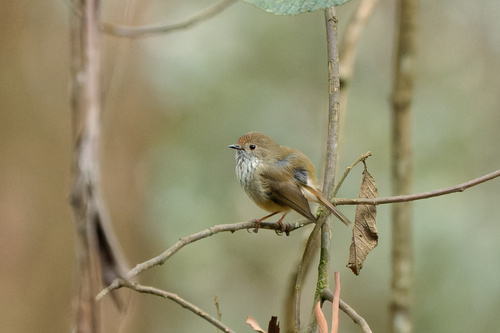 Acantiza Parda
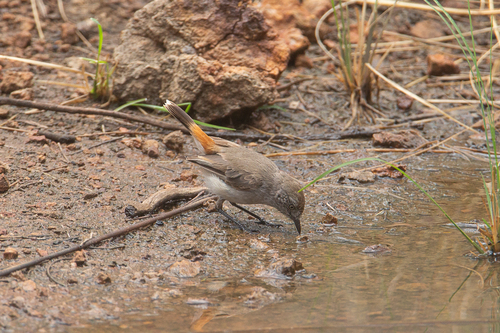 Acantiza Culirroja
En breve
La marca de campo más confiable para separar Acantiza Parda de Acantiza Culirroja es el color del culete y el iris: Acantiza Culirroja siempre muestra un culete castaño rico y un ojo pálido, mientras que Acantiza Parda tiene un culete pardo (no castaño) y ojos de un rojo oscuro llamativo. Acantiza Parda es de un marrón más cálido en la parte superior con fuertes estrías en la garganta y el pecho, mientras que Acantiza Culirroja es más pálida, más sencilla y carece de estrías fuertes en la parte inferior. Los juveniles de ambos son más apagados, pero el culete castaño y el ojo pálido de Acantiza Culirroja siguen siendo útiles. Ambos son pequeños y activos, pero sus hábitats preferidos rara vez se superponen: Acantiza Parda es un ave de bosque del este, mientras que Acantiza Culirroja es una especie de tierras interiores de bosques abiertos y matorrales.
Consejos de identificación
- Color del culete (todas las edades): Acantiza Culirroja siempre muestra un parche de culete castaño rico, visible tanto posado como en vuelo; el culete de Acantiza Parda es pardo o marrón, nunca verdaderamente castaño.
- Color del ojo (adultos y la mayoría de los inmaduros): Acantiza Parda tiene ojos de un rojo oscuro llamativo; Acantiza Culirroja tiene un iris pálido (crema o blanco grisáceo). Esto a menudo es visible a corta distancia o con buena luz.
- Estrías en la garganta y el pecho (adultos): Acantiza Parda muestra fuertes estrías negruzcas en una garganta y pecho grises, dando un aspecto muy marcado; Acantiza Culirroja es blanca sencilla por debajo con pocas o ninguna estría.
- Patrón de la frente (adultos): Acantiza Parda tiene escamas de color canela en la frente; Acantiza Culirroja tiene una difusión rufo pero carece de escamas fuertes.
- Patrón de la cola (todas las edades): Ambos tienen colas mayormente negras con puntas pálidas, pero las puntas de la cola de Acantiza Culirroja son más pálidas en los juveniles (canela, no blanca). Esto es sutil y no siempre es diagnóstico.
- Partes inferiores (todas las edades): Los flancos de Acantiza Parda son de color oliva-canela a blanco amarillento; Acantiza Culirroja es de un blanco más limpio por debajo, especialmente en poblaciones áridas.
- Cobertoras de la oreja: Acantiza Culirroja tiene cobertoras de la oreja pálidas y moteadas; las de Acantiza Parda son menos distintivas.
- Pico y estructura: Ambos son similares en estructura, sin diferencias fuertes en la forma o longitud del pico. No confíes solo en la estructura.
- Hábitat y distribución: Si estás en un denso y húmedo bosque en el este de Australia, es probable que encuentres a Acantiza Parda; en un bosque abierto o matorral interior, especialmente al oeste de la Cordillera Divisoria, Acantiza Culirroja es mucho más probable.
- Comportamiento: Acantiza Culirroja es más propensa a forrajear en el suelo y en grupos abiertos; Acantiza Parda se mantiene baja en la densa maleza.
- Marcas juveniles: El juvenil de Acantiza Culirroja es más apagado en general, con puntas de cola de color canela pálido y un iris pálido, pero aún muestra el culete castaño; los juveniles de Acantiza Parda son similares a los adultos pero pueden ser ligeramente más apagados, siempre con un ojo oscuro.
- Voz: Si escuchas mimetismo o una canción muy repetitiva y que se escucha a distancia, es más probable que sea Acantiza Culirroja, pero esta no es una marca de campo segura sin experiencia.
- Temporada y sexo: Ambas especies son sexualmente monomórficas y muestran poca variación estacional, así que no confíes en el sexo o la época del año para la separación.
- Trampas: Ten cuidado de confundir el culete castaño de Acantiza Culirroja con el culete pardo de Acantiza Parda, especialmente en mala luz. Siempre verifica el color del iris y las estrías de las partes inferiores para confirmación.
- Cuando tengas dudas: Usa una combinación de color del culete, color del ojo, estrías en la garganta/pecho y contexto del hábitat para la identificación más confiable.
Tamaño
Ambas especies son muy similares en tamaño, con Acantiza Parda midiendo 9–10 cm y pesando alrededor de 7 g, y Acantiza Culirroja midiendo 9–11 cm y 6 g. Cualquier diferencia en longitud o masa es negligible en el campo, y ambas aparecen como típicos colibríes pequeños y de cuerpo redondeado.
Plumaje
- Aves juveniles/inmaduros: Los juveniles de Acantiza Culirroja son más sencillos que los adultos, con un patrón de cabeza más apagado y puntas de cola de color canela pálido (no blanca), pero aún muestran un culete castaño pálido y un iris pálido. Los juveniles de Acantiza Parda son similares a los adultos pero pueden ser ligeramente más apagados en general, manteniendo los tonos marrones cálidos y el ojo oscuro.
- Adultos: Acantiza Parda es de un marrón cálido a marrón oliva en la parte superior, con un culete pardo (nunca castaño rico), escamas canela en la frente y fuertes estrías negruzcas en una garganta y pecho grises. La cola es oscura con una banda subterminal negra y puntas pálidas. El ojo es siempre rojo oscuro. Acantiza Culirroja es de un gris-marrón pálido en la parte superior, con un culete castaño rico, cola mayormente negra con puntas pálidas, cobertoras de la oreja pálidas y moteadas, y un lavado rufo en la frente y la corona. Las partes inferiores son blancas sencillas, careciendo de estrías fuertes. El iris es pálido (crema o blanco grisáceo).
Comportamiento
Ambas especies son forrajeadores activos e inquietos, a menudo en pequeños grupos o bandadas mixtas, y se alimentan saltando y revoloteando a través de la vegetación baja. Acantiza Culirroja es especialmente gregaria, a menudo vista en parejas o tríos, y forrajea tanto en arbustos/árboles como en el suelo. Acantiza Parda tiende a alimentarse más bajo en el sotobosque y es menos probable que se vea en el suelo. El vuelo de ambas es bajo y ondulante, pero no lo suficientemente distintivo como para separarlas de manera confiable.
Hábitat
Acantiza Parda se encuentra en el este y sureste de Australia, incluyendo Tasmania, y prefiere la densa maleza en bosques, selvas tropicales, matorrales y matorrales ribereños. Es común en áreas más húmedas, costeras y montañosas. Acantiza Culirroja es común en el interior de Australia, al oeste de la Gran Cordillera Divisoria, y prefiere bosques abiertos, matorrales y hábitats áridos o semiáridos; está ausente de regiones costeras húmedas y del extremo norte. La superposición es limitada a ecotonos, por lo que la ubicación a menudo es una pista fuerte.
Voz
Ambas especies tienen canciones musicales que se escuchan a distancia, pero las notas no proporcionan suficiente detalle para una separación confiable en el campo. Acantiza Culirroja es conocida por imitar a otras aves y tener una canción penetrante y repetitiva. La voz de Acantiza Parda no se describe en detalle aquí.