

pardela-preta vs mariquita-d'asas-azuis
Procellaria aequinoctialis versus Vermivora cyanoptera
Jogue um quiz com pardela-preta e mariquita-d'asas-azuis
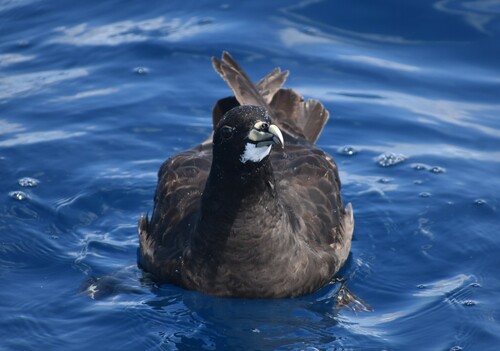 pardela-preta
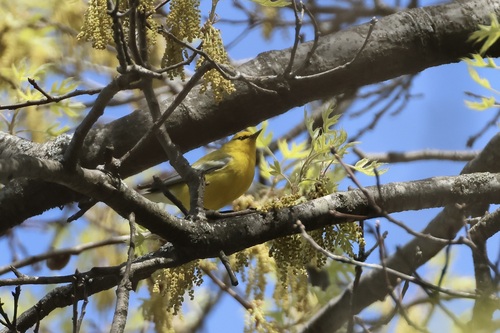 mariquita-d'asas-azuis
Em resumo
A separação mais confiável entre a pardela-preta e a mariquita-d'asas-azuis é o tamanho e a estrutura geral: a pardela é uma ave marinha maciça e escura, com um bico pesado e asas largas, enquanto a mariquita é um pequeno pássaro cantor amarelo brilhante com asas azul-acinzentadas e um bico pontudo. Em voo, as asas da pardela são longas e esfumaçadas, com possíveis lados prateados, enquanto a mariquita apresenta asas compactas e arredondadas com duas faixas brancas. Mariquitas juvenis e imaturas podem ser mais apagadas e carecer de faixas de asa fortes, mas ainda são minúsculas em comparação com qualquer pardela. O habitat também é uma pista decisiva: pardelas são oceânicas, enquanto mariquitas são encontradas em áreas arbustivas ou florestais. A confusão é provável apenas em um quiz fotográfico ou em um cenário de vagância extrema.
Dicas de identificação
- O tamanho é decisivo: Se você vê uma ave maior que um corvo, não é uma mariquita-d'asas-azuis. Se é do tamanho de um pardal, não é uma pardela-preta. Isso vale para todas as idades e sexos.
- Forma e cor do bico: A pardela tem um bico grosso, pálido e curvado, com preto entre as narinas; a mariquita tem um bico fino, pontudo, escuro ou rosado (imatura). Isso é visível mesmo à distância com boas ópticas.
- Padrão das asas em voo: A mariquita (adulto) mostra duas faixas brancas nas asas azul-acinzentadas; o juvenil pode ter faixas fracas ou ausentes, mas ainda mostra uma forma de asa pequena e compacta. A pardela tem asas uniformemente escuras, com possíveis lados prateados, nunca com faixas de asa.
- Cor geral: A pardela é preta e esfumaçada, com possível branco no queixo/garganta; a mariquita é amarelo brilhante embaixo e na cabeça (macho), oliva por cima, com asas azul-acinzentadas. Mesmo as fêmeas ou mariquitas imaturas mais apagadas nunca são totalmente pretas.
- Cor das pernas: A pardela tem pernas e pés pretos; as pernas da mariquita não são diagnósticas, mas nunca são strikingly black da mesma forma.
- Padrão facial: A mariquita (macho) tem uma linha ocular preta nítida; a da fêmea é mais clara. A pardela não tem linha ocular, apenas plumagem escura e bico pálido.
- Habitat: A pardela está apenas no mar ou em ilhas remotas; a mariquita está sempre em habitats terrestres, arbustivos ou florestais.
- Comportamento: A pardela planam e deslizam por longos períodos; a mariquita se movimenta rapidamente, paira e pousa frequentemente.
- Vocalizações: A mariquita canta uma canção zumbidora e faz piados; a pardela é silenciosa, exceto por raros gemidos em colônias.
- Parte inferior: A pardela é escura embaixo; a mariquita é amarela embaixo (macho/fêmea) ou amarelada/oliva (imatura).
- Forma das asas: A pardela tem asas longas e largas; a mariquita tem asas curtas e arredondadas.
- Cauda: A cauda da pardela é curta e quadrada; a da mariquita também é curta, mas não é diagnóstica entre essas duas.
- Confusão de sexo/idade: Fêmeas e mariquitas imaturas são mais apagadas, mas ainda mostram amarelo e são pequenas; a pardela não varia muito por idade ou sexo.
- Queixo/garganta brancos: Apenas a pardela pode mostrar uma mancha branca no queixo, mas isso nem sempre é visível e nunca é tão extenso quanto o amarelo da mariquita.
- Contexto: Se vista de um barco no mar, espere pela pardela; se em um campo ou floresta, espere pela mariquita.
Tamanho
A pardela-preta é um gigante entre as aves marinhas (massa corporal ~1335 g, comprimento 51–58 cm, envergadura 134–147 cm), facilmente ofuscando a mariquita-d'asas-azuis, que é um pequeno passeriforme (comprimento 11.4–12.7 cm, envergadura 17–19.5 cm, massa ~8.5 g). Mesmo a menor pardela é mais de quatro vezes o comprimento e muito mais pesada que a mariquita. Com binóculos, a pardela parece do tamanho de um ganso ou maior, enquanto a mariquita é do tamanho de um pardal ou menor.
Plumagem
- Juvenil/imatura da mariquita-d'asas-azuis: Oliva por cima com asas azul-acinzentadas e faixas brancas fracas ou quase invisíveis; bico rosado; parte inferior amarelada, mas mais apagada que os adultos. Ainda assim, o pequeno tamanho e o bico curto e pontudo são óbvios.
- Adulto macho da mariquita-d'asas-azuis: Amarelo brilhante embaixo e na cabeça, asas azul-acinzentadas com duas faixas brancas nítidas, linha ocular preta. As fêmeas são amarelas mais apagadas, com linha ocular menos distinta e faixas de asa mais pálidas.
- Pardela-preta (todas as idades): Uniformemente preta e esfumaçada, com uma mancha branca variável no queixo/garganta (às vezes ausente ou fraca), pernas e pés pretos, e um bico pesado e pálido com preto entre as narinas. A parte inferior das asas pode mostrar um tom prateado nas primárias, mas sem faixas de asa ou painéis contrastantes. Nenhuma variação sazonal ou relacionada à idade na plumagem foi observada.
Em resumo, a pardela é sempre escura e não possui faixas de asa ou tons amarelos, enquanto a mariquita é sempre muito mais brilhante e padronizada, mesmo em plumagens apagadas.
Comportamento
A pardela-preta é uma poderosa ave marinha que desliza, frequentemente vista misturando batidas lentas das asas com longos deslizamentos sobre o oceano aberto. Ela raramente pousa, exceto em colônias de reprodução. A mariquita-d'asas-azuis é um pássaro cantor ativo e ágil, frequentemente vista forrageando entre arbustos baixos ou árvores, pairando brevemente ou fazendo voos curtos. Seu voo é rápido e ondulante, nunca o estilo planador de uma pardela.
Habitat
A pardela-preta é estritamente pelágica, encontrada longe da costa no Oceano Austral e só vindo à terra para reproduzir em ilhas remotas. A mariquita-d'asas-azuis se reproduz em campos arbustivos, bordas de florestas e florestas jovens no leste da América do Norte, e inverna em habitats arbustivos na América Central. Você nunca verá uma mariquita-d'asas-azuis no mar, nem uma pardela-preta em um matagal ou floresta.
Voz
A pardela-preta é em sua maioria silenciosa no mar, mas em colônias pode emitir chamados de chocalho ou gemidos. A mariquita-d'asas-azuis tem uma canção zumbidora distinta e um chamado agudo de 'chip', típico das mariquitas do Novo Mundo. Qualquer canção ou chip ouvido em um habitat arbustivo aponta para a mariquita, não para a pardela.
pardela-preta · mariquita-d'asas-azuis · Minhas aves difíceis