

Motmot

ノドジロクロミズナギドリ 対 アオバネアメリカムシクイ

Procellaria aequinoctialis 対 Vermivora cyanoptera

ノドジロクロミズナギドリとアオバネアメリカムシクイのクイズ
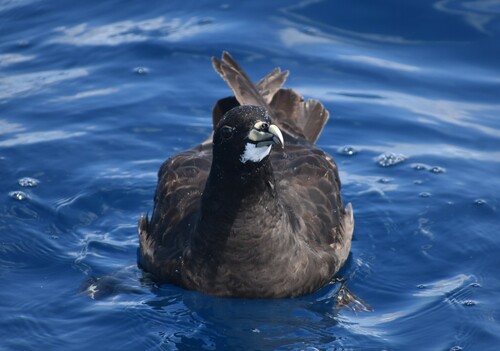
ノドジロクロミズナギドリ (Procellaria aequinoctialis) ノドジロクロミズナギドリ
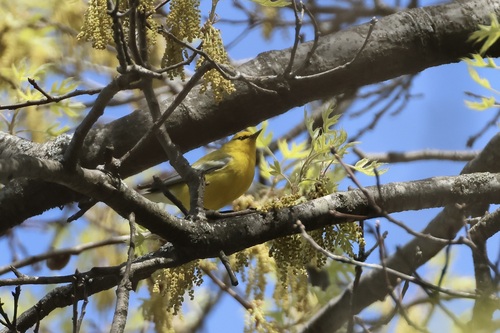
アオバネアメリカムシクイ (Vermivora cyanoptera) アオバネアメリカムシクイ

メディア

読み込み中…

要点

ホワイトチンペトレルとアオバネアメリカムシクイの最も信頼できる区別は、全体的なサイズと構造です:ペトレルは巨大で暗い海鳥で、重いくちばしと広い翼を持ち、アメリカムシクイは小さく、明るい黄色の歌鳥で、青灰色の翼と尖ったくちばしを持っています。飛行中、ペトレルの翼は長くすすけた色で、銀色の裏面がある可能性がありますが、アメリカムシクイは2本の白い翼帯を持つコンパクトで丸みを帯びた翼を示します。幼鳥や未熟なアメリカムシクイは鈍い色合いで強い翼帯が欠けていることがありますが、ペトレルと比べると依然として非常に小さいです。生息地も決定的な手がかりです:ペトレルは海洋性で、アメリカムシクイは茂みや森林のある地域に見られます。混乱は写真クイズや極端な漂流のシナリオでのみ起こる可能性があります。

識別のコツ

  1. サイズが決定的:カラスより大きい鳥を見たら、それはアオバネアメリカムシクイではありません。スズメサイズなら、それはホワイトチンペトレルではありません。これはすべての年齢と性別に当てはまります。
  2. くちばしの形と色:ペトレルは厚く、淡い、フック状のくちばしを持ち、鼻孔の間は黒いです;アメリカムシクイは細く、尖った、暗いまたはピンクがかったくちばし(未熟)を持っています。これは良い光学機器で遠くからでも見えます。
  3. 飛行中の翼のパターン:アメリカムシクイ(成鳥)は青灰色の翼に2本の白い翼帯を示します;幼鳥はかすかなまたは欠如した帯を持つかもしれませんが、依然として小さく、コンパクトな翼の形を示します。ペトレルは均一に暗い翼を持ち、銀色の裏面がある可能性がありますが、翼帯はありません。
  4. 全体的な色:ペトレルはすすけた黒で、顎/喉に白がある可能性があります;アメリカムシクイは下部と頭部(オス)で明るい黄色で、上部はオリーブ色、青灰色の翼を持っています。鈍い雌や未熟なアメリカムシクイでさえ、全体が黒いことはありません。
  5. 脚の色:ペトレルは黒い脚と足を持っています;アメリカムシクイの脚は診断的ではありませんが、同じように際立って黒くはありません。
  6. 顔のパターン:アメリカムシクイ(オス)は鋭い黒いアイラインを持っています;雌はより淡いです。ペトレルにはアイラインがなく、暗い羽毛と淡いくちばしだけです。
  7. 生息地:ペトレルは海または遠隔の島にのみいます;アメリカムシクイは常に陸上の茂みや森林の生息地にいます。
  8. 行動:ペトレルは長時間滑空し、グライドします;アメリカムシクイは頻繁にひらひらと飛び回り、ホバリングし、止まります。
  9. 鳴き声:アメリカムシクイはバズのある歌を歌い、チップ音を出します;ペトレルはコロニーでの稀なうめき声を除いては静かです。
  10. 腹部:ペトレルは下部が暗いです;アメリカムシクイは下部が黄色(オス/メス)または黄色がかった/オリーブ色(未熟)です。
  11. 翼の形:ペトレルは長く広い翼を持っています;アメリカムシクイは短く丸い翼を持っています。
  12. 尾:ペトレルの尾は短く四角いです;アメリカムシクイの尾も短いですが、これら二つの間で診断的ではありません。
  13. 性別/年齢の混乱:雌や未熟なアメリカムシクイは鈍いですが、依然として黄色を示し、小さいです;ペトレルは年齢や性別による変化はあまりありません。
  14. 白い顎/喉:ペトレルのみが白い顎の斑点を示すことがありますが、これは常に見えるわけではなく、アメリカムシクイの黄色ほど広範囲ではありません。
  15. 文脈:海上のボートから見た場合はペトレルを期待し、野原や森林ではアメリカムシクイを期待してください。

大きさ

ホワイトチンペトレルは海鳥の中で巨大で(体重約1335g、長さ51〜58cm、翼幅134〜147cm)、アオバネアメリカムシクイを簡単に圧倒します。アオバネアメリカムシクイは小さなスズメ(長さ11.4〜12.7cm、翼幅17〜19.5cm、体重約8.5g)です。最小のペトレルでさえ、アメリカムシクイの4倍以上の長さと、はるかに重いです。双眼鏡で見ると、ペトレルはガチョウサイズまたはそれ以上に見え、アメリカムシクイはスズメサイズまたはそれ以下です。

羽色

要約すると、ペトレルは常に暗く、翼帯や黄色のトーンが欠けているのに対し、アメリカムシクイは常に明るく、模様があり、鈍い羽毛でもそうです。

行動

ホワイトチンペトレルは強力で滑空する海鳥で、オープンオーシャンで遅い翼の動きと長い滑空を混ぜているのがよく見られます。繁殖コロニー以外ではめったに止まりません。アオバネアメリカムシクイは活発でひらひらとした歌鳥で、低い茂みや木の間で餌を探しているのがよく見られ、短い飛行をしたり、ホバリングしたりします。彼らの飛行は速く、波打つようで、ペトレルのような滑空スタイルではありません。

生息環境

ホワイトチンペトレルは厳密に外洋性で、南極海の沖合に見られ、遠隔の島で繁殖するためにのみ陸に上がります。アオバネアメリカムシクイは北アメリカ東部の茂みの多い野原、森林の端、若い森林で繁殖し、中米の茂みの多い生息地で冬を越します。海でアオバネアメリカムシクイを見ることは決してなく、茂みや森林でホワイトチンペトレルを見ることもありません。

声

ホワイトチンペトレルは海でほとんど静かですが、コロニーでは rattling や groaning の呼び声を出すことがあります。アオバネアメリカムシクイは独特のバズのある歌と鋭い「チップ」音を持っており、これは新世界のアメリカムシクイに典型的です。茂みの多い生息地で聞こえる歌やチップ音は、ペトレルではなくアメリカムシクイを指し示します。

より良い説明を送る

比較と同じ項目を使ってください。文章はすぐに公開されます。

The most reliable separation between White-chinned Petrel and Blue-winged Warbler is overall size and structure: the petrel is a massive, dark seabird with a heavy bill and broad wings, while the warbler is a tiny, bright yellow songbird with blue-gray wings and a pointed bill. In flight, the petrel’s wings are long and sooty with possible silvery undersides, whereas the warbler shows compact, rounded wings with two white wing-bars. Juvenile and immature warblers can be duller and lack strong wing-bars, but are still minuscule compared to any petrel. Habitat is also a decisive clue: petrels are oceanic, warblers are found in brushy or wooded areas. Confusion is only likely in a photo quiz or extreme vagrancy scenario.

  1. Size is decisive: If you see a bird larger than a crow, it's not a Blue-winged Warbler. If it's sparrow-sized, it's not a White-chinned Petrel. This works for all ages and sexes.
  2. Bill shape and color: Petrel has a thick, pale, hooked bill with black between the nostrils; warbler has a thin, pointed, dark or pinkish bill (immature). This is visible even at a distance with good optics.
  3. Wing pattern in flight: Warbler (adult) shows two white wing-bars on blue-gray wings; juvenile may have faint or absent bars but still shows a small, compact wing shape. Petrel has uniformly dark wings with possible silvery undersides, never any wing-bars.
  4. Overall color: Petrel is sooty-black with possible white on chin/throat; warbler is bright yellow below and on head (male), olive above, with blue-gray wings. Even dull female or immature warblers are never all-black.
  5. Leg color: Petrel has black legs and feet; warbler's legs are not diagnostic but never strikingly black in the same way.
  6. Facial pattern: Warbler (male) has a sharp black eye-line; female's is paler. Petrel lacks any eye-line, just dark plumage and pale bill.
  7. Habitat: Petrel is only at sea or remote islands; warbler is always in terrestrial, brushy or wooded habitats.
  8. Behavior: Petrel soars and glides for long periods; warbler flits, hovers, and perches frequently.
  9. Vocalizations: Warbler sings a buzzy song and chips; petrel is silent except for rare groans at colonies.
  10. Underparts: Petrel is dark below; warbler is yellow below (male/female) or yellowish/olive (immature).
  11. Wing shape: Petrel has long, broad wings; warbler has short, rounded wings.
  12. Tail: Petrel's tail is short and square; warbler's is also short but not diagnostic between these two.
  13. Sex/age confusion: Female and immature warblers are duller but still show yellow and are tiny; petrel does not vary much by age or sex.
  14. White chin/throat: Only petrel may show a white chin patch, but this is not always visible and is never as extensive as the warbler's yellow.
  15. Context: If seen from a boat at sea, expect petrel; if in a field or forest, expect warbler.

White-chinned Petrel is a giant among seabirds (body mass ~1335 g, length 51–58 cm, wingspan 134–147 cm), easily dwarfing the Blue-winged Warbler, which is a tiny passerine (length 11.4–12.7 cm, wingspan 17–19.5 cm, mass ~8.5 g). Even the smallest petrel is over four times the length and vastly heavier than the warbler. With binoculars, the petrel appears goose-sized or larger, while the warbler is sparrow-sized or smaller.

  • Juvenile/immature Blue-winged Warbler: Olive above with blue-gray wings and faint or nearly invisible white wing-bars; pinkish bill; underparts yellowish but duller than adults. Still, the small size and short, pointed bill are obvious.
  • Adult male Blue-winged Warbler: Bright yellow below and on head, blue-gray wings with two crisp white wing-bars, black eye-line. Females are duller yellow with less distinct eye-line and paler wing-bars.
  • White-chinned Petrel (all ages): Uniformly sooty-black overall with a variable white patch on chin/throat (sometimes absent or faint), black legs and feet, and a heavy, pale bill with black between the nostrils. Underwing may show a silvery cast on the primaries, but no wing-bars or contrasting panels. No seasonal or age-related plumage variation noted.

In summary, the petrel is always dark and lacks any wing-bar or yellow tones, while the warbler is always much brighter and patterned, even in dull plumages.

White-chinned Petrel is a powerful, gliding seabird, often seen mixing slow wingbeats with long glides over open ocean. It rarely perches except at breeding colonies. Blue-winged Warbler is an active, flitting songbird, often seen foraging among low shrubs or trees, hovering briefly or making short flights. Their flight is quick and undulating, never the soaring style of a petrel.

White-chinned Petrel is strictly pelagic, found far offshore in the Southern Ocean and only coming to land to breed on remote islands. Blue-winged Warbler breeds in brushy fields, woodland edges, and young forests in eastern North America, and winters in shrubby habitats in Central America. You will never see a Blue-winged Warbler at sea, nor a White-chinned Petrel in a thicket or forest.

White-chinned Petrel is mostly silent at sea, but at colonies may give rattling or groaning calls. Blue-winged Warbler has a distinctive buzzy song and a sharp 'chip' call, typical of New World warblers. Any song or chip heard in a brushy habitat points to the warbler, not the petrel.

変更を破棄しますか?

保存していない編集があります。今離れると失われます。

ノドジロクロミズナギドリ · アオバネアメリカムシクイ · 苦手な鳥