

White-chinned Petrel vs Blue-winged Warbler
Procellaria aequinoctialis contro Vermivora cyanoptera
Fai un quiz con White-chinned Petrel e Blue-winged Warbler
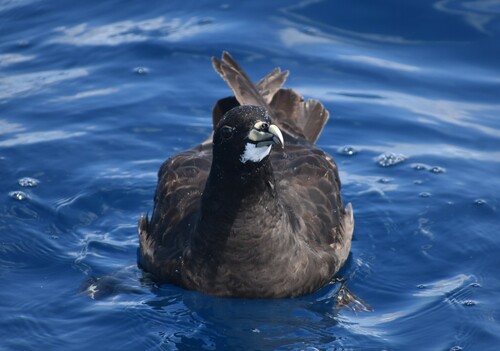 White-chinned Petrel
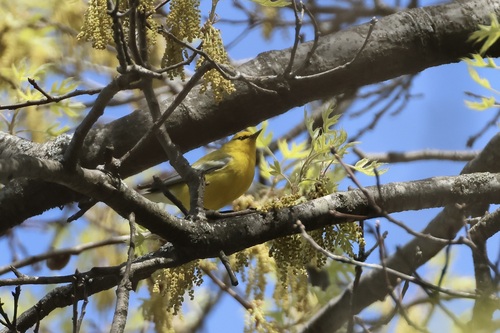 Blue-winged Warbler
In breve
La separazione più affidabile tra il White-chinned Petrel e il Blue-winged Warbler è la dimensione e la struttura complessiva: il petrel è un grande uccello marino scuro con un becco pesante e ali larghe, mentre il warbler è un piccolo uccello canoro di un brillante giallo con ali blu-grigie e un becco appuntito. In volo, le ali del petrel sono lunghe e scure con possibili lati argentati, mentre il warbler mostra ali compatte e arrotondate con due barre bianche. I warbler giovanili e immaturi possono essere più opachi e mancare di barre forti, ma sono comunque minuscoli rispetto a qualsiasi petrel. L'habitat è anche un indizio decisivo: i petrel sono oceanici, i warbler si trovano in aree cespugliose o boschive. La confusione è probabile solo in un quiz fotografico o in uno scenario di vagrante estremo.
Consigli di identificazione
- La dimensione è decisiva: Se vedi un uccello più grande di un corvo, non è un Blue-winged Warbler. Se è delle dimensioni di un passero, non è un White-chinned Petrel. Questo vale per tutte le età e i sessi.
- Forma e colore del becco: Il petrel ha un becco spesso, chiaro e ricurvo con nero tra le narici; il warbler ha un becco sottile, appuntito e scuro o rossastro (immaturo). Questo è visibile anche da lontano con buone ottiche.
- Schema delle ali in volo: Il warbler (adulto) mostra due barre bianche sulle ali blu-grigie; il giovanile può avere barre deboli o assenti ma mostra comunque una forma di ala piccola e compatta. Il petrel ha ali uniformemente scure con possibili lati argentati, mai barre sulle ali.
- Colore generale: Il petrel è nero pece con possibile bianco sul mento/collo; il warbler è di un giallo brillante sotto e sulla testa (maschio), oliva sopra, con ali blu-grigie. Anche i warbler femmina o immaturi più opachi non sono mai completamente neri.
- Colore delle zampe: Il petrel ha zampe e piedi neri; le zampe del warbler non sono diagnostiche ma non sono mai sorprendentemente nere nello stesso modo.
- Schema facciale: Il warbler (maschio) ha una linea nera degli occhi netta; quella della femmina è più chiara. Il petrel non ha alcuna linea degli occhi, solo piumaggio scuro e becco chiaro.
- Habitat: Il petrel si trova solo in mare o su isole remote; il warbler si trova sempre in habitat terrestri, cespugliosi o boschivi.
- Comportamento: Il petrel plana e scivola per lunghi periodi; il warbler svolazza, si libra e si posiziona frequentemente.
- Vocalizzazioni: Il warbler canta una canzone ronzante e fa dei 'chip'; il petrel è silenzioso tranne per rari gemiti nelle colonie.
- Parte inferiore: Il petrel è scuro sotto; il warbler è giallo sotto (maschio/femmina) o giallastro/oliva (immaturo).
- Forma delle ali: Il petrel ha ali lunghe e larghe; il warbler ha ali corte e arrotondate.
- Coda: La coda del petrel è corta e quadrata; quella del warbler è anch'essa corta ma non è diagnostica tra questi due.
- Confusione sesso/età: Le femmine e i warbler immaturi sono più opachi ma mostrano comunque giallo e sono minuscoli; il petrel non varia molto per età o sesso.
- Mento/collo bianco: Solo il petrel può mostrare una macchia bianca sul mento, ma questa non è sempre visibile e non è mai estesa come il giallo del warbler.
- Contesto: Se visto da una barca in mare, aspettati un petrel; se in un campo o in una foresta, aspettati un warbler.
Taglia
Il White-chinned Petrel è un gigante tra gli uccelli marini (massa corporea ~1335 g, lunghezza 51–58 cm, apertura alare 134–147 cm), che facilmente sovrasta il Blue-winged Warbler, che è un piccolo passeriforme (lunghezza 11.4–12.7 cm, apertura alare 17–19.5 cm, massa ~8.5 g). Anche il petrel più piccolo è oltre quattro volte la lunghezza e molto più pesante del warbler. Con i binocoli, il petrel appare delle dimensioni di un'oca o più grande, mentre il warbler è delle dimensioni di un passero o più piccolo.
Piumaggio
- Giovanile/immaturo Blue-winged Warbler: Oliva sopra con ali blu-grigie e barre bianche deboli o quasi invisibili; becco rossastro; parte inferiore giallastra ma più opaca rispetto agli adulti. Tuttavia, la piccola dimensione e il becco corto e appuntito sono evidenti.
- Maschio adulto Blue-winged Warbler: Giallo brillante sotto e sulla testa, ali blu-grigie con due barre bianche nette, linea nera degli occhi. Le femmine sono di un giallo più opaco con una linea degli occhi meno distinta e barre sulle ali più chiare.
- White-chinned Petrel (tutte le età): Uniformemente nero pece con una macchia bianca variabile sul mento/collo (a volte assente o debole), zampe e piedi neri, e un becco pesante e chiaro con nero tra le narici. La parte inferiore dell'ala può mostrare un riflesso argentato sulle primarie, ma nessuna barra sulle ali o pannelli a contrasto. Non sono state notate variazioni di piumaggio stagionali o legate all'età.
In sintesi, il petrel è sempre scuro e privo di barre sulle ali o toni gialli, mentre il warbler è sempre molto più luminoso e con un motivo, anche in piumaggi opachi.
Comportamento
Il White-chinned Petrel è un potente uccello marino che plana, spesso visto mescolare battiti d'ali lenti con lunghi scivolamenti sopra l'oceano aperto. Raramente si posa tranne che nelle colonie di nidificazione. Il Blue-winged Warbler è un uccello canoro attivo e svolazzante, spesso visto cercare cibo tra cespugli o alberi bassi, librandosi brevemente o facendo brevi voli. Il loro volo è rapido e ondulato, mai nello stile planante di un petrel.
Habitat
Il White-chinned Petrel è strettamente pelagico, trovato lontano dalla costa nell'Oceano Australe e viene a terra solo per nidificare su isole remote. Il Blue-winged Warbler nidifica in campi cespugliosi, ai margini dei boschi e in giovani foreste nell'est del Nord America, e sverna in habitat cespugliosi in America Centrale. Non vedrai mai un Blue-winged Warbler in mare, né un White-chinned Petrel in un cespuglio o in una foresta.
Voce
Il White-chinned Petrel è per lo più silenzioso in mare, ma nelle colonie può emettere richiami striduli o gemiti. Il Blue-winged Warbler ha una canzone ronzante distintiva e un richiamo 'chip' acuto, tipico dei warbler del Nuovo Mondo. Qualsiasi canzone o chip udito in un habitat cespuglioso indica il warbler, non il petrel.
White-chinned Petrel · Blue-winged Warbler · I miei uccelli difficili