

Pardela Gorjiblanca vs Reinita Aliazul
Procellaria aequinoctialis frente a Vermivora cyanoptera
Juega un quiz con Pardela Gorjiblanca y Reinita Aliazul
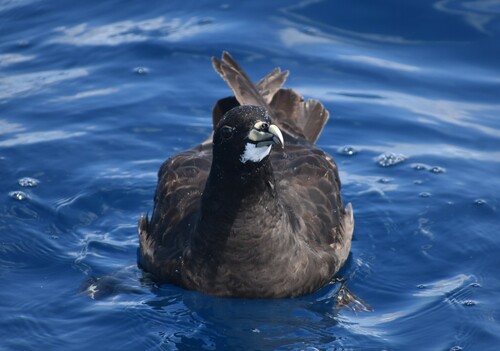 Pardela Gorjiblanca
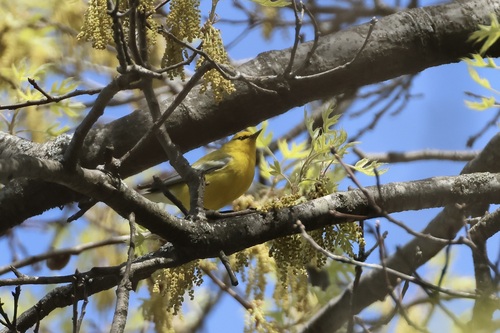 Reinita Aliazul
En breve
La separación más confiable entre la Pardela Gorjiblanca y la Reinita Aliazul es el tamaño y la estructura general: la pardela es una gran ave marina oscura con un pico pesado y alas anchas, mientras que la reinita es un pequeño pájaro cantor de un brillante color amarillo con alas azul-grisáceas y un pico puntiagudo. En vuelo, las alas de la pardela son largas y cenicientas con posibles partes inferiores plateadas, mientras que la reinita muestra alas compactas y redondeadas con dos barras alares blancas. Las reinitas juveniles e inmaduras pueden ser más apagadas y carecer de barras alares fuertes, pero siguen siendo minúsculas en comparación con cualquier pardela. El hábitat también es una pista decisiva: las pardelas son oceánicas, las reinitas se encuentran en áreas arbustivas o boscosas. La confusión solo es probable en un cuestionario fotográfico o en un escenario de vagancia extrema.
Consejos de identificación
- El tamaño es decisivo: Si ves un pájaro más grande que un cuervo, no es una Reinita Aliazul. Si es del tamaño de un gorrión, no es una Pardela Gorjiblanca. Esto funciona para todas las edades y sexos.
- Forma y color del pico: La pardela tiene un pico grueso, pálido y curvado con negro entre las fosas nasales; la reinita tiene un pico delgado, puntiagudo y oscuro o rosado (inmaduro). Esto es visible incluso a distancia con buenos ópticos.
- Patrón de alas en vuelo: La reinita (adulto) muestra dos barras alares blancas en alas azul-grisáceas; el juvenil puede tener barras tenues o ausentes pero aún muestra una forma de ala pequeña y compacta. La pardela tiene alas uniformemente oscuras con posibles partes inferiores plateadas, nunca tiene barras alares.
- Color general: La pardela es negro ceniciento con posible blanco en el mentón/garganta; la reinita es de un brillante color amarillo por debajo y en la cabeza (macho), oliva por encima, con alas azul-grisáceas. Incluso las reinitas hembras o inmaduras apagadas nunca son completamente negras.
- Color de las patas: La pardela tiene patas y pies negros; las patas de la reinita no son diagnósticas pero nunca son strikingly black de la misma manera.
- Patrón facial: La reinita (macho) tiene una línea ocular negra afilada; la de la hembra es más pálida. La pardela carece de cualquier línea ocular, solo plumaje oscuro y pico pálido.
- Hábitat: La pardela solo está en el mar o en islas remotas; la reinita siempre está en hábitats terrestres, arbustivos o boscosos.
- Comportamiento: La pardela vuela y planea durante largos períodos; la reinita revolotea, se detiene y se posa con frecuencia.
- Vocalizaciones: La reinita canta una canción zumbante y chirridos; la pardela es silenciosa excepto por raros gemidos en las colonias.
- Partes inferiores: La pardela es oscura por debajo; la reinita es amarilla por debajo (macho/hembra) o amarillenta/oliva (inmadura).
- Forma de las alas: La pardela tiene alas largas y anchas; la reinita tiene alas cortas y redondeadas.
- Cola: La cola de la pardela es corta y cuadrada; la de la reinita también es corta pero no es diagnóstica entre estas dos.
- Confusión de sexo/edad: Las reinitas hembras e inmaduras son más apagadas pero aún muestran amarillo y son pequeñas; la pardela no varía mucho por edad o sexo.
- Mentón/garganta blanca: Solo la pardela puede mostrar una mancha blanca en el mentón, pero esto no siempre es visible y nunca es tan extensa como el amarillo de la reinita.
- Contexto: Si se ve desde un barco en el mar, espera pardela; si en un campo o bosque, espera reinita.
Tamaño
La Pardela Gorjiblanca es un gigante entre las aves marinas (masa corporal ~1335 g, longitud 51–58 cm, envergadura 134–147 cm), fácilmente enana a la Reinita Aliazul, que es un pequeño paseriforme (longitud 11.4–12.7 cm, envergadura 17–19.5 cm, masa ~8.5 g). Incluso la pardela más pequeña es más de cuatro veces la longitud y mucho más pesada que la reinita. Con binoculares, la pardela parece del tamaño de un ganso o más grande, mientras que la reinita es del tamaño de un gorrión o más pequeña.
Plumaje
- Reinita Aliazul juvenil/inmadura: Oliva por encima con alas azul-grisáceas y barras alares blancas tenues o casi invisibles; pico rosado; partes inferiores amarillentas pero más apagadas que los adultos. Aún así, el pequeño tamaño y el pico corto y puntiagudo son obvios.
- Reinita Aliazul macho adulto: Brillante amarillo por debajo y en la cabeza, alas azul-grisáceas con dos barras alares blancas nítidas, línea ocular negra. Las hembras son de un amarillo más apagado con una línea ocular menos distintiva y barras alares más pálidas.
- Pardela Gorjiblanca (todas las edades): Uniformemente negro ceniciento en general con una variable mancha blanca en el mentón/garganta (a veces ausente o tenue), patas y pies negros, y un pico pesado y pálido con negro entre las fosas nasales. La parte inferior del ala puede mostrar un tono plateado en las primarias, pero no tiene barras alares ni paneles contrastantes. No se ha notado variación estacional o relacionada con la edad en el plumaje.
En resumen, la pardela siempre es oscura y carece de cualquier barra alar o tonos amarillos, mientras que la reinita siempre es mucho más brillante y tiene patrones, incluso en plumajes apagados.
Comportamiento
La Pardela Gorjiblanca es una poderosa ave marina que planea, a menudo vista mezclando batidos de alas lentos con largos planeos sobre el océano abierto. Rara vez se posa excepto en colonias de cría. La Reinita Aliazul es un pájaro cantor activo y revoloteante, a menudo visto forrajeando entre arbustos bajos o árboles, flotando brevemente o haciendo vuelos cortos. Su vuelo es rápido y ondulante, nunca el estilo de planeo de una pardela.
Hábitat
La Pardela Gorjiblanca es estrictamente pelágica, encontrada lejos de la costa en el Océano Austral y solo llega a tierra para reproducirse en islas remotas. La Reinita Aliazul cría en campos arbustivos, bordes de bosques y bosques jóvenes en el este de América del Norte, y pasa el invierno en hábitats arbustivos en América Central. Nunca verás una Reinita Aliazul en el mar, ni una Pardela Gorjiblanca en un matorral o bosque.
Voz
La Pardela Gorjiblanca es mayormente silenciosa en el mar, pero en colonias puede emitir llamadas de traqueteo o gemidos. La Reinita Aliazul tiene una canción zumbante distintiva y un agudo llamado 'chip', típico de las reinitas del Nuevo Mundo. Cualquier canción o chirrido escuchado en un hábitat arbustivo apunta a la reinita, no a la pardela.