

mãe-de-taoca-bochechuda vs mãe-de-taoca-de-garganta-vermelha
Gymnopithys leucaspis versus Gymnopithys rufigula
Jogue um quiz com mãe-de-taoca-bochechuda e mãe-de-taoca-de-garganta-vermelha
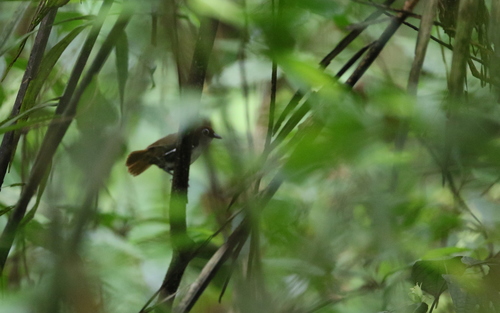 mãe-de-taoca-bochechuda
 mãe-de-taoca-de-garganta-vermelha
Em resumo
A marca de campo mais confiável para separar a mãe-de-taoca-bochechuda da mãe-de-taoca-de-garganta-vermelha é a cor da garganta e da bochecha: a mãe-de-taoca-bochechuda apresenta uma bochecha e garganta brancas marcantes, enquanto a mãe-de-taoca-de-garganta-vermelha tem uma bochecha e parte superior da garganta de um rico tom rufo-castanho. Ambas as espécies têm pele azul nua ao redor dos olhos e estrutura geral semelhante, mas suas colorações de partes inferiores e faciais são strikingly diferentes em adultos. Os juvenis são mais complicados, já que a mãe-de-taoca-bochechuda começa com partes inferiores acastanhadas antes que o branco apareça, mas mesmo assim, a falta de tons rufos ajuda. Ambas ocorrem no norte da América do Sul, mas suas distribuições só se sobrepõem no Brasil. Foque na cor do rosto e da garganta para a separação mais rápida em campo.
Dicas de identificação
- Cor do rosto e da garganta (todas as idades): A mãe-de-taoca-bochechuda sempre apresenta uma bochecha e garganta brancas nítidas em adultos; a mãe-de-taoca-de-garganta-vermelha sempre apresenta rufo-castanho na bochecha e parte superior da garganta. Esta é a marca mais confiável.
- Partes inferiores juvenis: Os juvenis da mãe-de-taoca-bochechuda têm partes inferiores acastanhadas antes que o branco apareça, mas nunca mostram tons rufos no rosto ou na garganta. Se você ver um juvenil acastanhado com um toque de branco surgindo na bochecha/garganta, prefira a mãe-de-taoca-bochechuda.
- Cor da coroa e da nuca: A mãe-de-taoca-bochechuda tem uma coroa e nuca castanho-avermelhadas, enquanto a coroa/nuca da mãe-de-taoca-de-garganta-vermelha é oliva-castanha. Isso é sutil e melhor usado em boa luz.
- Máscara e padrão facial: A mãe-de-taoca-bochechuda tem uma máscara negra que vai das lore até o olho e desce pelo pescoço; a mãe-de-taoca-de-garganta-vermelha tem uma testa/lore marrom-escura, mas não possui a máscara negra forte.
- Cor das partes inferiores: A mãe-de-taoca-bochechuda tem um peito branco e uma barriga inferior marrom-escura; a mãe-de-taoca-de-garganta-vermelha tem uma parte inferior da garganta/coração superior canela e barriga oliva-castanha.
- Mancha escapular (fêmea): A fêmea da mãe-de-taoca-bochechuda apresenta uma mancha canela entre as escapulares; a fêmea da mãe-de-taoca-de-garganta-vermelha tem uma mancha intrascapular canela, mas é de outra forma mais apagada e nunca mostra branco no rosto.
- Partes superiores: A mãe-de-taoca-bochechuda é castanho-avermelhada acima com algumas bordas rufas; a mãe-de-taoca-de-garganta-vermelha é oliva-castanha acima com asas e cauda marrom-amarelo-escuro. Esta é uma marca de apoio.
- Pele azul nua ao redor do olho: Ambas as espécies têm isso, então não ajuda na separação.
- Tamanho e estrutura: A mãe-de-taoca-bochechuda é ligeiramente mais longa, mas mais leve; a mãe-de-taoca-de-garganta-vermelha é mais curta, mas pode ser mais pesada. Esta não é uma marca de campo confiável.
- Distribuição: Se fora do Brasil, verifique o país: a mãe-de-taoca-bochechuda está a oeste e ao sul (Colômbia, Equador, Peru), a mãe-de-taoca-de-garganta-vermelha está ao nordeste (Guiana Francesa, Guiana, Suriname, Venezuela). No Brasil, ambas ocorrem—use a plumagem.
- Bandos de formigas do exército: Ambas seguem formigas e podem ocorrer juntas em bandos no Brasil; não use o comportamento isoladamente.
- Sem padrão de voo distintivo: Nenhuma das espécies tem uma marca de asa superior ou padrão de voo único para separação; foque na cor do rosto e das partes inferiores, mesmo em breves visões de voo.
- Variação de subespécies: Algumas subespécies da mãe-de-taoca-bochechuda são mais escuras ou têm coberturas de cauda mais claras, mas todas mantêm a bochecha/garganta brancas. As subespécies da mãe-de-taoca-de-garganta-vermelha variam na tonalidade da garganta/barriga, mas nunca mostram branco no rosto.
- Armadilhas de plumagem: Cuidado com os juvenis da mãe-de-taoca-bochechuda que ainda não desenvolveram completamente a bochecha/garganta brancas—procure a ausência de tons rufos e o surgimento do branco.
- Diferenças sexuais: As fêmeas de ambas as espécies são mais apagadas e têm manchas escapulares/intrascapulares canelas, mas apenas as fêmeas da mãe-de-taoca-bochechuda mostram uma bochecha/garganta brancas.
Tamanho
A mãe-de-taoca-bochechuda é ligeiramente maior em comprimento (13,5–15 cm) e pesa cerca de 25 g, enquanto a mãe-de-taoca-de-garganta-vermelha é um pouco mais curta (11,5–14 cm), mas pode ser mais pesada (26–32 g). No campo, essa diferença de tamanho é sutil e não é um ponto de separação confiável. Ambas são pequenas, compactas e têm proporções semelhantes.
Plumagem
- Juvenis: Os juvenis da mãe-de-taoca-bochechuda têm partes inferiores acastanhadas antes que as penas brancas da bochecha e da garganta apareçam, enquanto os juvenis da mãe-de-taoca-de-garganta-vermelha não são descritos em detalhes, mas os adultos não apresentam branco no rosto ou na garganta em nenhuma idade.
- Machos adultos: Os machos da mãe-de-taoca-bochechuda têm uma coroa/nuca castanho-avermelhada, bochechas e garganta brancas, uma máscara negra e partes superiores castanho-avermelhadas. Os machos da mãe-de-taoca-de-garganta-vermelha têm uma testa/lore marrom-escura, coroa/nuca oliva-castanha, bochechas e parte superior da garganta rufo-castanhas, parte inferior da garganta/coração superior canela e partes inferiores oliva-castanhas.
- Fêmeas adultas: As fêmeas de ambas as espécies são semelhantes aos machos, mas mais apagadas. As fêmeas da mãe-de-taoca-bochechuda adicionam uma mancha canela entre as escapulares; as fêmeas da mãe-de-taoca-de-garganta-vermelha têm uma mancha intrascapular canela e são, em geral, mais apagadas que os machos. Nenhum sexo da mãe-de-taoca-de-garganta-vermelha mostra uma bochecha ou garganta brancas.
- Asa superior em voo: Nenhum padrão de asa superior ou de voo específico para a idade é descrito para qualquer uma das espécies; a separação depende da cor do rosto e das partes inferiores, mesmo em voo.
Comportamento
Ambas as espécies são típicas de mãe-de-taoca, forrageando no sub-bosque e frequentemente seguindo bandos de formigas do exército. Seu estilo de forrageio e comportamento geral são muito semelhantes e não são úteis para separação em campo.
Habitat
A mãe-de-taoca-bochechuda é encontrada no Brasil, Colômbia, Equador e Peru, enquanto a mãe-de-taoca-de-garganta-vermelha ocorre no Brasil, Guiana Francesa, Guiana, Suriname e Venezuela. Suas distribuições só se sobrepõem no Brasil. Ambas habitam florestas úmidas de planície e estão associadas a bandos de formigas do exército, portanto, o habitat sozinho não é diagnóstico, exceto a nível de país.
mãe-de-taoca-bochechuda · mãe-de-taoca-de-garganta-vermelha · Minhas aves difíceis