

white-bellied erpornis vs mangrove whistler
Erpornis zantholeuca versus Pachycephala cinerea
Jogue um quiz com white-bellied erpornis e mangrove whistler
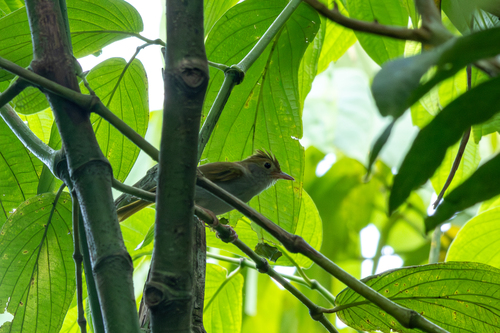 white-bellied erpornis
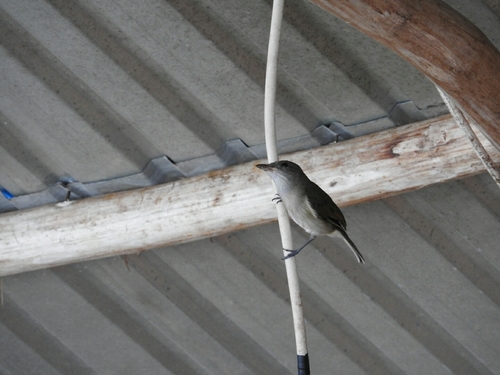 mangrove whistler
Em resumo
A marca de campo mais confiável que separa o white-bellied erpornis do mangrove whistler é a presença de uma crista proeminente no erpornis, que está sempre ausente no whistler. Ambas as espécies têm partes inferiores brancas, mas o erpornis combina isso com um dorso oliváceo ou marrom-dourado e uma cabeça distintamente crestada, enquanto o whistler é mais uniformemente acinzentado por cima e não possui crista. O tamanho também é uma pista forte: o mangrove whistler é quase duas vezes mais pesado e parece mais robusto. Se você ver um pássaro pequeno e acrobático com uma coroa pontuda e barriga branca, é quase certamente um erpornis; um pássaro mais pesado e robusto com uma cabeça simples e partes inferiores semelhantes aponta para o mangrove whistler.
Dicas de identificação
- Cabeça crestada (todas as idades/estações): O white-bellied erpornis sempre mostra uma crista proeminente e pontuda, dando à cabeça uma aparência pontuda. O mangrove whistler nunca mostra uma crista; sua coroa é suavemente arredondada.
- Cor da parte superior (todas as idades): O erpornis tem partes superiores oliváceas ou marrom-douradas, contrastando com sua barriga branca. O mangrove whistler é mais uniformemente cinza por cima, sem tons de oliva ou marrom.
- Partes inferiores (todas as idades): Ambas as espécies têm partes inferiores brancas, o que pode causar confusão, mas apenas o erpornis combina isso com um dorso e crista coloridos e contrastantes.
- Tamanho e robustez (todas as idades): O mangrove whistler é quase duas vezes mais pesado que o erpornis e parece muito mais robusto no campo. Se o pássaro parecer pequeno e leve, o erpornis é mais provável; se for robusto e robusto, o whistler é favorecido.
- Estrutura do bico (todas as idades): O erpornis tem um bico mais fino e pontudo, adaptado para abrir cascas, enquanto o mangrove whistler tem um bico mais grosso e robusto, típico de Pachycephala.
- Jizz e movimento: O erpornis é acrobático, frequentemente pendurado ou se movendo agilmente pela folhagem. O whistler é mais sedentário, empoleirando-se ereto e se movendo com pulos lentos.
- Padrão da cabeça: Apenas o erpornis mostra um perfil de cabeça pontuda ou crestada; a cabeça do whistler é simples e arredondada.
- Contexto do habitat: O erpornis é amplamente distribuído em habitats de floresta e borda, incluindo montanhas e zonas montanhosas. O whistler é mais frequentemente encontrado em manguezais ou florestas costeiras, embora alguma sobreposição possa ocorrer.
- Nomes confusos: O nome alternativo 'white-bellied whistler' para o mangrove whistler pode causar confusão, mas apenas o erpornis é realmente crestado e com dorso oliva.
- Sem marcas de voo distintas: Nenhuma das espécies mostra características únicas de padrão de asa superior ou de voo para separação de idade, então confie na estrutura e plumagem.
- Sem dimorfismo sexual forte: Ambas as espécies são semelhantes entre os sexos, então o sexo não é uma marca de campo útil.
- Sem diferenças vocais confiáveis descritas: Se você ouvir chamadas ou canções, elas não são descritas nas fontes como diagnósticas para separação.
- Abundância contextual: Em florestas interiores ou montanhosas, o erpornis é mais provável; em manguezais, o whistler é mais provável, mas sempre verifique a plumagem e a estrutura.
- Armadilha: Não confie apenas nas partes inferiores brancas—isso é compartilhado. Foque na crista, cor da parte superior e tamanho geral.
- Quando em dúvida: Se você ver um pássaro pequeno, crestado e acrobático com uma barriga branca, é um erpornis. Se o pássaro for maior, com cabeça simples e em manguezal, é provavelmente um whistler.
Tamanho
O white-bellied erpornis é um pássaro pequeno e leve (11,2 g) com uma construção delicada, enquanto o mangrove whistler é muito mais pesado (22,0 g) e visivelmente mais robusto no campo. O tamanho maior do whistler e suas proporções mais robustas são frequentemente aparentes mesmo à distância, especialmente quando ambas as espécies são vistas em habitat semelhante. Se você não tiver certeza, o whistler parecerá quase duas vezes a massa do erpornis.
Plumagem
Nenhuma diferença de padrão de asa superior ou de voo específica para a idade é descrita para qualquer uma das espécies nas fontes, então o foco está na plumagem adulta e geral. O white-bellied erpornis mostra um contraste marcante entre suas partes inferiores brancas e partes superiores oliváceas ou marrom-douradas, com uma crista proeminente que dá à cabeça uma aparência pontuda. O mangrove whistler, por outro lado, é mais uniformemente acinzentado por cima, não possui crista e também tem partes inferiores brancas, o que pode causar confusão. A cabeça, o dorso e as asas do whistler não mostram os tons quentes de marrom ou oliva do erpornis, nem a forma distinta da cabeça. Ambas as espécies podem parecer de barriga pálida, mas apenas o erpornis combina isso com uma parte superior contrastante, crestada e mais colorida.
Comportamento
O white-bellied erpornis é notavelmente acrobático, frequentemente visto forrageando ativamente e usando seu bico forte para abrir cascas em busca de insetos. Seus movimentos são semelhantes aos de vireos ou yuhinas, com frequentes penduradas e manobras ágeis na copa. O mangrove whistler é mais deliberado e menos acrobático, tipicamente empoleirando-se ereto e se movendo com pulos mais lentos e mais intencionais ou voos curtos. O comportamento do whistler é menos dinâmico e mais típico de um pássaro cantor robusto e empoleirado.
Habitat
Ambas as espécies ocorrem no Sudeste Asiático, mas o white-bellied erpornis tem uma faixa muito mais ampla, incluindo florestas de montanha e montanhas em todo o Sul e Sudeste Asiático. O mangrove whistler, como seu nome sugere, está mais intimamente ligado a habitats de manguezais e florestas costeiras. Se você estiver observando pássaros em florestas densas do interior, o erpornis é mais provável; em manguezais ou arbustos costeiros, o whistler é favorecido. No entanto, há alguma sobreposição na borda da floresta de planície, então o habitat sozinho nem sempre é diagnóstico.
white-bellied erpornis · mangrove whistler · Minhas aves difíceis