

White-bellied Erpornis vs Mangrove Whistler
Erpornis zantholeuca contro Pachycephala cinerea
Fai un quiz con White-bellied Erpornis e Mangrove Whistler
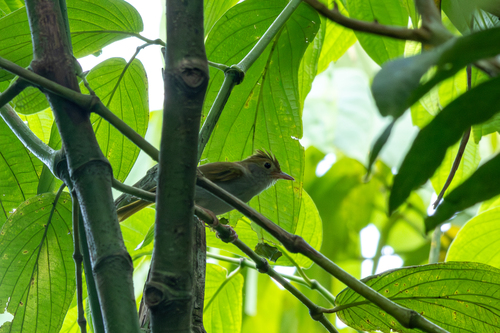 White-bellied Erpornis
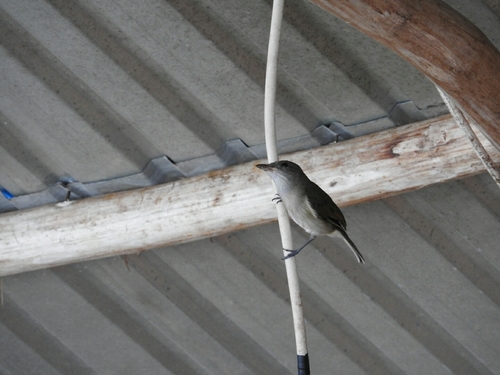 Mangrove Whistler
In breve
Il segno di campo più affidabile che separa il White-bellied Erpornis dal Mangrove Whistler è la presenza di una cresta prominente sull'erpornis, che è sempre assente nel whistler. Entrambe le specie hanno parti inferiori bianche, ma l'erpornis combina questo con un dorso olivaceo o marrone dorato e una testa distintamente crestata, mentre il whistler è più uniformemente grigio sopra e manca di qualsiasi cresta. Anche le dimensioni sono un forte indizio: il Mangrove Whistler è quasi due volte più pesante e appare più robusto. Se vedi un uccello piccolo e acrobatico con una corona appuntita e un ventre bianco, è quasi certamente un erpornis; un uccello più pesante e massiccio con una testa semplice e parti inferiori simili indica un Mangrove Whistler.
Consigli di identificazione
- Testa crestata (tutte le età/stagioni): Il White-bellied Erpornis mostra sempre una cresta prominente e appuntita, dando alla testa un aspetto appuntito. Il Mangrove Whistler non mostra mai una cresta; la sua corona è liscia e arrotondata.
- Colore delle parti superiori (tutte le età): L'erpornis ha parti superiori olivacee o marrone dorato, in contrasto con il suo ventre bianco. Il Mangrove Whistler è più uniformemente grigio sopra, privo di toni olivastri o marroni.
- Parti inferiori (tutte le età): Entrambe le specie hanno parti inferiori bianche, il che può causare confusione, ma solo l'erpornis combina questo con un dorso colorato e cresta in contrasto.
- Dimensioni e robustezza (tutte le età): Il Mangrove Whistler è quasi due volte più pesante dell'erpornis e appare molto più robusto sul campo. Se l'uccello sembra piccolo e leggero, è più probabile che sia un erpornis; se è massiccio e robusto, è favorito il whistler.
- Struttura del becco (tutte le età): L'erpornis ha un becco più fine e appuntito, adattato per sollevare la corteccia, mentre il Mangrove Whistler ha un becco più robusto e spesso tipico di Pachycephala.
- Movimento e comportamento: L'erpornis è acrobatico, spesso appeso o si muove agilmente attraverso il fogliame. Il whistler è più sedentario, posandosi eretto e muovendosi con salti lenti.
- Schema della testa: Solo l'erpornis mostra un profilo della testa appuntito o cresta; la testa del whistler è semplice e arrotondata.
- Contesto dell'habitat: L'erpornis è diffuso in habitat forestali e di margine, comprese le zone collinari e montane. Il whistler si trova più spesso in habitat di mangrovie o boschi costieri, anche se può verificarsi qualche sovrapposizione.
- Nomi confondenti: Il nome alternativo 'white-bellied whistler' per il Mangrove Whistler può causare confusione, ma solo l'erpornis è veramente cresto e con dorso olivastro.
- Nessun segno di volo distintivo: Nessuna delle due specie mostra caratteristiche uniche delle ali superiori o del volo per la separazione dell'età, quindi fai affidamento sulla struttura e sul piumaggio.
- Nessun forte dimorfismo sessuale: Entrambe le specie sono simili tra i sessi, quindi il sesso non è un segno utile sul campo.
- Nessuna differenza vocale affidabile descritta: Se senti richiami o canti, non sono descritti nelle fonti come diagnostici per la separazione.
- Abbondanza contestuale: Nella foresta interna o montana, è più probabile trovare l'erpornis; nelle mangrovie, è più probabile trovare il whistler, ma controlla sempre il piumaggio e la struttura.
- Trappola: Non fare affidamento solo sulle parti inferiori bianche—questo è condiviso. Concentrati sulla cresta, sul colore delle parti superiori e sulle dimensioni complessive.
- Quando hai dubbi: Se vedi un uccello piccolo, cresto e acrobatico con un ventre bianco, è un erpornis. Se l'uccello è più grande, con testa semplice e in mangrovie, è probabile che sia un whistler.
Taglia
Il White-bellied Erpornis è un uccello piccolo e leggero (11,2 g) con una struttura delicata, mentre il Mangrove Whistler è molto più pesante (22,0 g) e visibilmente più robusto sul campo. La dimensione maggiore del whistler e le sue proporzioni più robuste sono spesso evidenti anche da lontano, specialmente quando entrambe le specie sono viste in habitat simili. Se non sei sicuro, il whistler apparirà quasi due volte la massa dell'erpornis.
Piumaggio
Nessuna differenza specifica per età nelle ali superiori o nel modello di volo è descritta per entrambe le specie nelle fonti, quindi ci si concentra sul piumaggio adulto e generale. Il White-bellied Erpornis mostra un contrasto sorprendente tra le sue parti inferiori bianche e le parti superiori olivacee o marrone dorato, con una cresta prominente che conferisce alla testa un aspetto appuntito. Il Mangrove Whistler, al contrario, è più uniformemente grigio sopra, privo di qualsiasi cresta e ha anche parti inferiori bianche, il che può causare confusione. La testa, il dorso e le ali del whistler non mostrano i toni caldi marroni o olivastri dell'erpornis, né la forma distintiva della testa. Entrambe le specie possono apparire con il ventre pallido, ma solo l'erpornis combina questo con una parte superiore in contrasto, crestata e più colorata.
Comportamento
Il White-bellied Erpornis è notevolmente acrobatico, spesso visto foraggiare attivamente e utilizzare il suo forte becco per sollevare la corteccia per gli insetti. I suoi movimenti ricordano quelli dei vireos o delle yuhinas, con frequenti appesi e manovre agili nella chioma. Il Mangrove Whistler è più deliberato e meno acrobatico, tipicamente posandosi eretto e muovendosi con salti più lenti e più intenzionali o brevi voli. Il comportamento del whistler è meno dinamico e più tipico di un uccello canoro massiccio e posato.
Habitat
Entrambe le specie si trovano nel sud-est asiatico, ma il White-bellied Erpornis ha un'area di distribuzione molto più ampia, comprese le foreste collinari e montane in tutto il sud e sud-est asiatico. Il Mangrove Whistler, come suggerisce il suo nome, è più strettamente legato agli habitat di mangrovie e boschi costieri. Se stai osservando gli uccelli in una foresta interna densa, è più probabile trovare un erpornis; nelle mangrovie o nei roveti costieri, è favorito il whistler. Tuttavia, c'è qualche sovrapposizione nel margine della foresta di pianura, quindi l'habitat da solo non è sempre diagnostico.
White-bellied Erpornis · Mangrove Whistler · I miei uccelli difficili