

Groene meestimalia vs Mangrovefluiter
Erpornis zantholeuca versus Pachycephala cinerea
Speel een quiz met Groene meestimalia en Mangrovefluiter
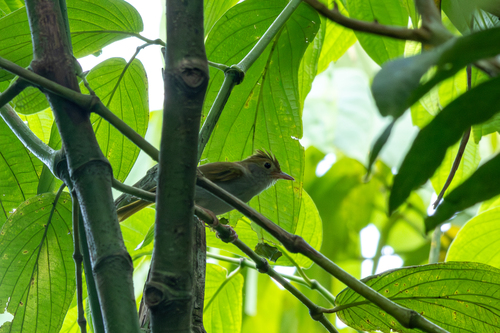 Groene meestimalia
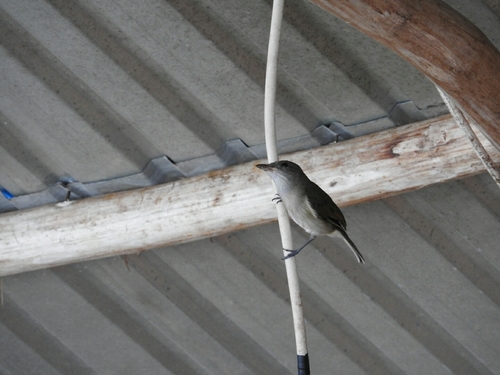 Mangrovefluiter
Kort gezegd
Het meest betrouwbare veldkenmerk dat de Groene meestimalia van de Mangrovefluiter scheidt, is de aanwezigheid van een prominente kuif op de meestimalia, die altijd afwezig is bij de fluiter. Beide soorten hebben witte onderdelen, maar de meestimalia combineert dit met een olijfgroene of goudbruine rug en een duidelijk gekuifde kop, terwijl de fluiter meer uniform grijsachtig boven is en geen kuif heeft. Grootte is ook een sterke aanwijzing: de Mangrovefluiter is bijna twee keer zo zwaar en lijkt robuuster. Als je een kleine, acrobatische vogel met een spitse kroon en een witte buik ziet, is het bijna zeker een meestimalia; een zwaardere, gedrongen vogel met een eenvoudige kop en vergelijkbare onderdelen wijst op de Mangrovefluiter.
Herkenningstips
- Gekuifde kop (alle leeftijden/seizoenen): De Groene meestimalia toont altijd een prominente, spitse kuif, waardoor de kop een spitse uitstraling heeft. De Mangrovefluiter toont nooit een kuif; zijn kroon is soepel afgerond.
- Bovenste kleur (alle leeftijden): De meestimalia heeft olijfgroene of goudbruine bovenste delen, in contrast met zijn witte buik. De Mangrovefluiter is meer uniform grijs boven, zonder olijf- of bruine tinten.
- Onderdelen (alle leeftijden): Beide soorten hebben witte onderdelen, wat verwarring kan veroorzaken, maar alleen de meestimalia combineert dit met een contrasterende, kleurrijke rug en kuif.
- Grootte en bulk (alle leeftijden): De Mangrovefluiter is bijna twee keer zo zwaar als de meestimalia en lijkt veel robuuster in het veld. Als de vogel klein en licht lijkt, is de meestimalia waarschijnlijker; als hij gedrongen en robuust is, is de fluiter de voorkeur.
- Snavelstructuur (alle leeftijden): De meestimalia heeft een fijnere, meer spitse snavel die is aangepast voor het lospeuteren van schors, terwijl de Mangrovefluiter een stevigere, dikkere snavel heeft die typisch is voor Pachycephala.
- Jizz en beweging: De meestimalia is acrobatisch, vaak hangend of behendig bewegend door het loof. De fluiter is meer sedentair, zit rechtop en beweegt met langzame sprongetjes.
- Koppatroon: Alleen de meestimalia toont een spitse of gekuifde kopprofiel; de kop van de fluiter is eenvoudig en rond.
- Habitatcontext: De meestimalia is wijdverspreid in bos- en randhabitats, inclusief voetheuvels en bergachtige zones. De fluiter wordt het vaakst aangetroffen in mangrove- of kustbossen, hoewel er enige overlap kan optreden.
- Verwarrende namen: De alternatieve naam 'witbuikfluiter' voor de Mangrovefluiter kan verwarring veroorzaken, maar alleen de meestimalia is echt gekuifd en olijfrug.
- Geen onderscheidende vluchtkenmerken: Geen van beide soorten vertoont unieke kenmerken van de bovenste vleugel of vluchtpatronen voor leeftijdsscheiding, dus vertrouw op structuur en verenkleed.
- Geen sterke seksuele dimorfie: Beide soorten zijn vergelijkbaar tussen de seksen, dus geslacht is geen nuttig veldkenmerk.
- Geen betrouwbare vocale verschillen beschreven: Als je roepen of liederen hoort, zijn deze in de bronnen niet beschreven als diagnostisch voor scheiding.
- Contextuele overvloed: In binnenlandse of bergachtige bossen is de meestimalia waarschijnlijker; in mangrove is de fluiter waarschijnlijker, maar controleer altijd het verenkleed en de structuur.
- Valstrik: Vertrouw niet alleen op witte onderdelen—dit is gedeeld. Focus op kuif, bovenste kleur en algehele grootte.
- Bij twijfel: Als je een kleine, gekuifde, acrobatische vogel met een witte buik ziet, is het de meestimalia. Als de vogel groter, eenvoudig gekop en in mangrove is, is het waarschijnlijk een fluiter.
Grootte
De Groene meestimalia is een kleine, lichte vogel (11,2 g) met een delicate bouw, terwijl de Mangrovefluiter veel zwaarder is (22,0 g) en merkbaar robuuster in het veld. De grotere grootte en robuustere proporties van de fluiter zijn vaak zelfs van een afstand zichtbaar, vooral wanneer beide soorten in een vergelijkbaar habitat worden gezien. Als je het niet zeker weet, zal de fluiter bijna twee keer de massa van de meestimalia lijken.
Verenkleed
Er zijn geen leeftijdspecifieke verschillen in bovenste vleugel of vluchtpatroon beschreven voor beide soorten in de bronnen, dus de focus ligt op volwassen en algemeen verenkleed. De Groene meestimalia toont een opvallend contrast tussen zijn witte onderdelen en olijfgroene of goudbruine bovenste delen, met een prominente kuif die de kop een spitse uitstraling geeft. De Mangrovefluiter daarentegen is meer uniform grijsachtig boven, mist elke kuif en heeft ook witte onderdelen, wat verwarring kan veroorzaken. De kop, rug en vleugels van de fluiter tonen niet de warme bruine of olijftinten van de meestimalia, noch de kenmerkende kopvorm. Beide soorten kunnen er bleekbuikig uitzien, maar alleen de meestimalia combineert dit met een contrasterende, gekuifde en kleurrijkere bovenkant.
Gedrag
De Groene meestimalia is opmerkelijk acrobatisch, vaak actief op zoek naar voedsel en gebruikmakend van zijn sterke snavel om schors voor insecten los te peuteren. Zijn bewegingen doen denken aan vireos of yuhinas, met frequente hangende en behendige manoeuvres in het bladerdak. De Mangrovefluiter is meer doordacht en minder acrobatisch, zit meestal rechtop en beweegt met langzamere, doelbewuste sprongetjes of korte vluchten. Het gedrag van de fluiter is minder dynamisch en meer typisch voor een gedrongen, zittende zangvogel.
Habitat
Beide soorten komen voor in Zuidoost-Azië, maar de Groene meestimalia heeft een veel breder bereik, inclusief voetheuvel- en bergbossen in Zuid- en Zuidoost-Azië. De Mangrovefluiter, zoals zijn naam al aangeeft, is nauwer verbonden met mangrove- en kustbos habitats. Als je aan het vogels kijken bent in dicht binnenlands bos, is de meestimalia waarschijnlijker; in mangrove of kuststruik is de fluiter de voorkeur. Er is echter enige overlap in de rand van laaglandbossen, dus habitat alleen is niet altijd diagnostisch.