

Motmot

アオチメドリ 対 マングローブモズヒタキ

Erpornis zantholeuca 対 Pachycephala cinerea

アオチメドリとマングローブモズヒタキのクイズ
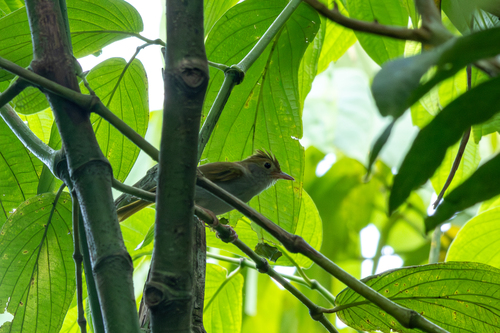
アオチメドリ (Erpornis zantholeuca) アオチメドリ
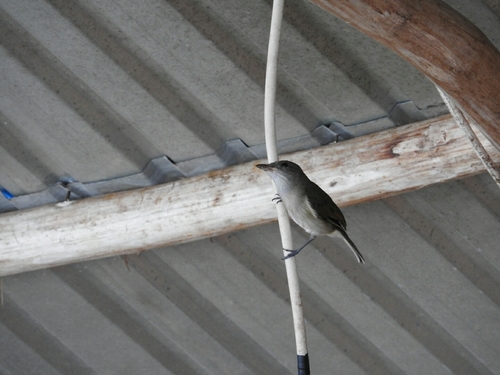
マングローブモズヒタキ (Pachycephala cinerea) マングローブモズヒタキ

メディア

読み込み中…

要点

ホワイトベリードエルポルニスとマングローブモズヒタキを分ける最も信頼できるフィールドマークは、エルポルニスに目立つ冠があることで、これは常にモズヒタキにはありません。両種は白い腹部を持っていますが、エルポルニスはこれをオリーブ色または金褐色の背中と明確に冠のある頭部と組み合わせています。一方、モズヒタキは上面がより均一に灰色で、冠がありません。サイズも強い手がかりです:マングローブモズヒタキはほぼ2倍の重さで、よりがっしりとした印象を与えます。小さくてアクロバティックな鳥を見たら、白い腹を持つピークのある冠を持つのはほぼ確実にエルポルニスです;重くてがっしりとした鳥で、平らな頭と似たような腹部を持つのはマングローブモズヒタキを指し示します。

識別のコツ

  1. 冠のある頭(すべての年齢/季節): ホワイトベリードエルポルニスは常に目立つ尖った冠を示し、頭にピークのある外観を与えます。マングローブモズヒタキは冠を示さず、その頭頂は滑らかに丸みを帯びています。
  2. 上面の色(すべての年齢): エルポルニスはオリーブ色または金褐色の上面を持ち、白い腹部と対照的です。マングローブモズヒタキは上面がより均一に灰色で、オリーブ色や茶色のトーンがありません。
  3. 腹部(すべての年齢): 両種は白い腹部を持ち、混乱を招くことがありますが、エルポルニスだけがこれを対照的でカラフルな背中と冠と組み合わせています。
  4. サイズと体格(すべての年齢): マングローブモズヒタキはエルポルニスのほぼ2倍の重さで、フィールドでよりがっしりとした印象を与えます。もし鳥が小さくて軽そうに見える場合、エルポルニスの可能性が高いです;がっしりとして頑丈な場合は、モズヒタキが好まれます。
  5. くちばしの構造(すべての年齢): エルポルニスは樹皮をこじ開けるために適応した細く尖ったくちばしを持ち、マングローブモズヒタキはパキセファラに典型的な太くて厚いくちばしを持っています。
  6. 動きと動作: エルポルニスはアクロバティックで、しばしば葉の間を素早く動き回ったり、ぶら下がったりします。モズヒタキはより静的で、直立して止まり、ゆっくりとした跳躍で移動します。
  7. 頭の模様: エルポルニスだけがピークまたは冠のある頭のプロファイルを示し、モズヒタキの頭は平らで丸いです。
  8. 生息地の文脈: エルポルニスは森林やエッジの生息地に広く分布し、山のふもとや高地のゾーンを含みます。モズヒタキはその名前が示すように、マングローブや沿岸の森林に最もよく見られますが、いくつかの重複がある場合もあります。
  9. 混乱を招く名前: マングローブモズヒタキの別名「ホワイトベリードモズヒタキ」は混乱を招くことがありますが、エルポルニスだけが本当に冠を持ち、オリーブ色の背中を持っています。
  10. 特徴的な飛行マークはなし: 両種は年齢の分離のためのユニークな上翼や飛行パターンの特徴を示さないため、構造と羽毛に頼ってください。
  11. 強い性差はなし: 両種は性別間で似ているため、性別は有用なフィールドマークではありません。
  12. 信頼できる声の違いは記載されていない: 呼び声や歌を聞いても、分離のための診断的なものとしては記載されていません。
  13. 文脈における豊富さ: 内陸または高地の森林ではエルポルニスの可能性が高いです;マングローブではモズヒタキの可能性が高いですが、常に羽毛と構造を確認してください。
  14. 落とし穴: 白い腹部だけに頼らないでください—これは共有されています。冠、上面の色、全体のサイズに焦点を当ててください。
  15. 疑わしい場合: 小さくて冠のあるアクロバティックな鳥を見たら、それはエルポルニスです。もし鳥が大きく、平らな頭で、マングローブにいるなら、モズヒタキの可能性が高いです。

大きさ

ホワイトベリードエルポルニスは小さくて軽量な鳥(11.2 g)で、繊細な体型を持っていますが、マングローブモズヒタキははるかに重く(22.0 g)、フィールドで明らかにがっしりとしています。モズヒタキの大きなサイズとより頑丈なプロポーションは、特に両種が同じ生息地で見られるとき、遠くからでもしばしば明らかです。もし不安であれば、モズヒタキはエルポルニスのほぼ2倍の質量に見えるでしょう。

羽色

どちらの種についても年齢特有の上翼や飛行パターンの違いは記載されていないため、焦点は成鳥と一般的な羽毛に置かれています。ホワイトベリードエルポルニスは白い腹部とオリーブ色または金褐色の上面との間に際立った対比を示し、目立つ冠が頭にピークのある外観を与えます。対照的に、マングローブモズヒタキは上面がより均一に灰色で、冠がなく、白い腹部も持っており、混乱を招くことがあります。モズヒタキの頭、背中、翼はエルポルニスの温かい茶色やオリーブ色のトーンや独特の頭の形を示しません。両種は淡い腹を持っているように見えることがありますが、エルポルニスだけがこれを対照的で冠のある、よりカラフルな上面と組み合わせています。

行動

ホワイトベリードエルポルニスは特にアクロバティックで、しばしば活発に餌を探し、強いくちばしを使って樹皮をこじ開けて昆虫を探します。その動きはバイレオやユヒナに似ており、頻繁にぶら下がったり、樹冠の中で敏捷に動き回ったりします。マングローブモズヒタキはより慎重でアクロバティックではなく、通常は直立して止まり、より遅く、目的のある跳躍や短い飛行で移動します。モズヒタキの行動はあまりダイナミックではなく、がっしりとした止まり木の歌鳥に典型的です。

生息環境

両種は東南アジアに生息していますが、ホワイトベリードエルポルニスは南アジアおよび東南アジア全体の山のふもとや高地の森林を含む、はるかに広い範囲を持っています。マングローブモズヒタキはその名前が示すように、マングローブや沿岸の森林生息地により密接に関連しています。もし内陸の密な森林でバードウォッチングをしているなら、エルポルニスの可能性が高いです;マングローブや沿岸の低木では、モズヒタキが好まれます。しかし、低地の森林のエッジではいくつかの重複があるため、生息地だけでは常に診断的ではありません。

より良い説明を送る

比較と同じ項目を使ってください。文章はすぐに公開されます。

The most reliable field mark separating White-bellied Erpornis from Mangrove Whistler is the presence of a prominent crest on the erpornis, which is always absent in the whistler. Both species have white underparts, but the erpornis combines this with an olivaceous or golden-brown back and a distinctly crested head, while the whistler is more uniformly greyish above and lacks any crest. Size is also a strong clue: Mangrove Whistler is nearly twice as heavy and appears bulkier. If you see a small, acrobatic bird with a peaked crown and white belly, it is almost certainly an erpornis; a heavier, thickset bird with a plain head and similar underparts points to Mangrove Whistler.

  1. Crested head (all ages/seasons): White-bellied Erpornis always shows a prominent, pointed crest, giving the head a peaked appearance. Mangrove Whistler never shows a crest; its crown is smoothly rounded.
  2. Upperpart color (all ages): Erpornis has olivaceous or golden-brown upperparts, contrasting with its white belly. Mangrove Whistler is more uniformly grey above, lacking any olive or brown tones.
  3. Underparts (all ages): Both species have white underparts, which can cause confusion, but only erpornis combines this with a contrasting, colorful back and crest.
  4. Size and bulk (all ages): Mangrove Whistler is nearly twice as heavy as erpornis and appears much bulkier in the field. If the bird looks small and light, erpornis is more likely; if thickset and robust, whistler is favored.
  5. Bill structure (all ages): Erpornis has a finer, more pointed bill adapted for prying bark, while Mangrove Whistler has a stouter, thicker bill typical of Pachycephala.
  6. Jizz and movement: Erpornis is acrobatic, often hanging or moving nimbly through foliage. Whistler is more sedentary, perching upright and moving with slow hops.
  7. Head pattern: Only erpornis shows a peaked or crested head profile; whistler's head is plain and rounded.
  8. Habitat context: Erpornis is widespread in forest and edge habitats, including foothills and montane zones. Whistler is most often found in mangrove or coastal woodland, though some overlap can occur.
  9. Confusing names: The alternate name 'white-bellied whistler' for Mangrove Whistler can cause confusion, but only erpornis is truly crested and olive-backed.
  10. No distinctive flight marks: Neither species shows unique upperwing or flight pattern features for age separation, so rely on structure and plumage.
  11. No strong sexual dimorphism: Both species are similar between sexes, so sex is not a useful field mark.
  12. No reliable vocal differences described: If you hear calls or songs, they are not described in the sources as diagnostic for separation.
  13. Contextual abundance: In inland or upland forest, erpornis is more likely; in mangrove, whistler is more likely, but always check plumage and structure.
  14. Pitfall: Do not rely on white underparts alone—this is shared. Focus on crest, upperpart color, and overall size.
  15. When in doubt: If you see a small, crested, acrobatic bird with a white belly, it's erpornis. If the bird is larger, plain-headed, and in mangrove, it's likely a whistler.

White-bellied Erpornis is a small, lightweight bird (11.2 g) with a delicate build, while Mangrove Whistler is much heavier (22.0 g) and noticeably bulkier in the field. The whistler's larger size and more robust proportions are often apparent even at a distance, especially when both species are seen in similar habitat. If you are unsure, the whistler will look almost twice the mass of the erpornis.

No age-specific upperwing or flight pattern differences are described for either species in the sources, so focus is on adult and general plumage. White-bellied Erpornis shows a striking contrast between its white underparts and olivaceous or golden-brown upperparts, with a prominent crest giving the head a peaked look. Mangrove Whistler, by contrast, is more uniformly greyish above, lacks any crest, and also has white underparts, which can cause confusion. The whistler's head, back, and wings do not show the warm brown or olive tones of erpornis, nor the distinctive head shape. Both species may appear pale-bellied, but only erpornis combines this with a contrasting, crested, and more colorful upperpart.

White-bellied Erpornis is notably acrobatic, often seen foraging actively and using its strong bill to pry bark for insects. Its movements are reminiscent of vireos or yuhinas, with frequent hanging and agile maneuvers in the canopy. Mangrove Whistler is more deliberate and less acrobatic, typically perching upright and moving with slower, more purposeful hops or short flights. The whistler's behavior is less dynamic and more typical of a thickset, perching songbird.

Both species occur in Southeast Asia, but White-bellied Erpornis has a much broader range, including foothill and montane forests across South and Southeast Asia. Mangrove Whistler, as its name suggests, is more closely tied to mangrove and coastal woodland habitats. If you are birding in dense inland forest, erpornis is more likely; in mangrove or coastal scrub, whistler is favored. However, there is some overlap in lowland forest edge, so habitat alone is not always diagnostic.

変更を破棄しますか?

保存していない編集があります。今離れると失われます。

アオチメドリ · マングローブモズヒタキ · 苦手な鳥