

garça-nocturna-de-dorso-branco vs rufous-bellied heron
Calherodius leuconotus versus Ardeola rufiventris
Jogue um quiz com garça-nocturna-de-dorso-branco e rufous-bellied heron
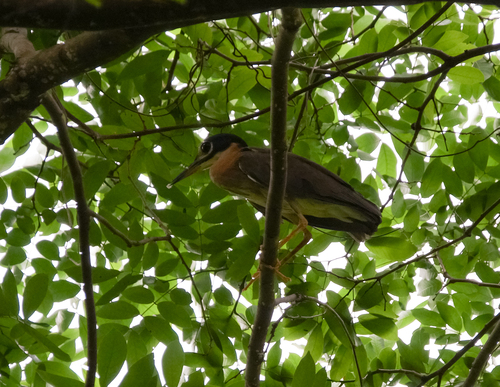 garça-nocturna-de-dorso-branco
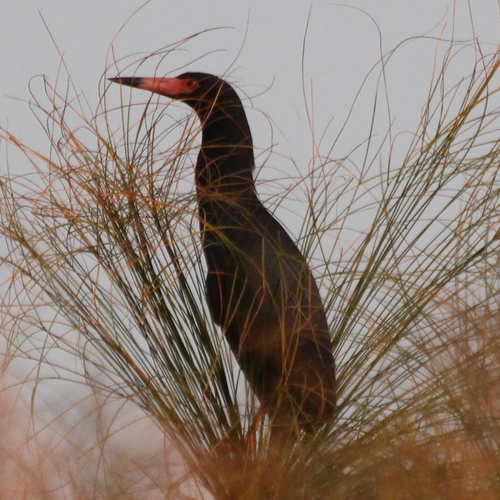 rufous-bellied heron
Em resumo
A marca de campo mais confiável para separar a garça-nocturna-de-dorso-branco imatura da garça-rufiventris é a presença de manchas brancas nas coberturas das asas superiores da primeira, visíveis em voo ou quando empoleirada com as asas parcialmente abertas. Os adultos são melhor diferenciados pelo triângulo escapular branco marcante nas costas da garça-nocturna-de-dorso-branco e pela cabeça com boné preto, em comparação com as partes superiores cinza-escuras e a barriga ruiva da garça-rufiventris. Ambas as espécies apresentam pernas amarelas, mas a garça-nocturna-de-dorso-branco é mais robusta e tem uma crista mais curta. O plumagem juvenil e as vistas de voo são fundamentais para uma separação rápida, especialmente no sul da África, onde ambas podem ocorrer.
Dicas de identificação
- Padrão de asa juvenil/imatura: Procure por manchas brancas nas coberturas das asas superiores da garça-nocturna-de-dorso-branco imatura—estas estão ausentes na garça-rufiventris de qualquer idade. Isso é mais visível em voo ou quando a ave estica suas asas.
- Padrão do peito em imaturos: As garças-nocturnas-de-dorso-branco imaturas mostram um peito estriado, enquanto as garças-rufiventris juvenis são mais claras e marrons, sem estrias fortes.
- Padrão das costas em adultos: A garça-nocturna-de-dorso-branco adulta tem uma mancha triangular branca ousada nas costas (escapulares brancas), altamente visível quando empoleirada ou em voo. A garça-rufiventris não possui essa marca e é uniformemente cinza-escura acima.
- Cabeça e crista: A garça-nocturna-de-dorso-branco apresenta uma cabeça preta com uma crista curta ou exibição de penas proeminente, e olhos vermelhos com um anel branco. A garça-rufiventris tem uma cabeça cinza-escura sem crista ou anel ocular.
- Cor do pescoço e peito: O pescoço e o peito da garça-nocturna-de-dorso-branco são ruivos, contrastando com sua garganta branca; a garça-rufiventris tem um peito e cabeça cinza-escuros, com o ruivo restrito à barriga, asas e cauda.
- Cor da barriga: A garça-rufiventris tem uma barriga ruiva distintiva, asas e cauda, que contrastam com suas partes superiores escuras. A barriga da garça-nocturna-de-dorso-branco é marrom-esbranquiçada e menos contrastante.
- Cor das pernas em voo: Ambas as espécies têm pernas amarelas, mas na garça-rufiventris as pernas e pés amarelos brilhantes são especialmente marcantes contra as partes inferiores escuras em voo. Na garça-nocturna-de-dorso-branco, as pernas são amarelas, mas não contrastam tão fortemente devido às partes inferiores mais claras.
- Tamanho e estrutura: A garça-nocturna-de-dorso-branco é de tamanho médio e mais robusta, enquanto a garça-rufiventris é menor e mais compacta. Isso pode ajudar quando ambas são vistas juntas ou com outras garças.
- Comportamento: A garça-rufiventris frequentemente adota uma postura semelhante à de um íbis, com o bico horizontal ao se esconder e é mais provável de ser vista se esgueirando em vegetação densa. A garça-nocturna-de-dorso-branco é menos secreta em sua postura.
- Preferência de habitat: A garça-rufiventris é mais provável de ser encontrada em áreas úmidas bem vegetadas e planícies de inundação rasas, especialmente do lado terrestre. A garça-nocturna-de-dorso-branco é mais generalista, mas frequentemente próxima a margens de água arborizadas.
- Cor dos olhos e marcas faciais: A garça-nocturna-de-dorso-branco tem grandes olhos vermelhos com um anel branco e lore amarelo pálido; a garça-rufiventris não possui esses contrastes faciais.
- Presença de crista: Apenas a garça-nocturna-de-dorso-branco tem uma crista curta ou exibição de penas proeminente na cabeça.
- Voo: Em voo, note a robustez geral e o triângulo branco nas costas da garça-nocturna-de-dorso-branco em comparação com a garça-rufiventris, que é menor, mais escura e de coloração mais uniforme, com partes inferiores ruivas.
- Armadilhas de plumagem: O pescoço e o peito ruivos da garça-nocturna-de-dorso-branco adulta podem ser confundidos com a barriga ruiva da garça-rufiventris, mas a distribuição da cor (pescoço vs. barriga) e o padrão das costas (triângulo branco vs. escuro uniforme) são fundamentais.
- Quando em dúvida: Concentre-se no padrão da asa superior em imaturos e no triângulo escapular branco em adultos para a separação mais confiável.
Tamanho
A garça-nocturna-de-dorso-branco é uma garça de tamanho médio, medindo 50–55 cm de comprimento, e é visivelmente mais robusta do que a garça-rufiventris, que é descrita como pequena e compacta para uma garça. Embora as medidas exatas para a garça-rufiventris não sejam fornecidas aqui, sua estrutura geral é mais petite e menos robusta do que a da garça-nocturna-de-dorso-branco. No campo, essa diferença de tamanho pode ser aparente quando ambas são vistas juntas ou comparadas a outras garças.
Plumagem
- Juvenis/Imaturos: As garças-nocturnas-de-dorso-branco imaturas têm um peito estriado e manchas brancas distintas nas coberturas das asas superiores, que estão ausentes na garça-rufiventris. As garças-rufiventris juvenis são mais claras e marrons no geral, sem um padrão de asas forte, e escurecem à medida que amadurecem.
- Adultos: As garças-nocturnas-de-dorso-branco adultas têm uma cabeça preta com uma crista curta, olhos vermelhos com anel branco, pescoço e peito ruivos, e uma mancha triangular branca diagnóstica nas costas formada por escapulares brancas. Suas partes inferiores são marrom-esbranquiçadas. Em contraste, as garças-rufiventris adultas são cinza-escuras na cabeça, costas e peito, com uma barriga, asas e cauda ruivas. As pernas e pés amarelos da garça-rufiventris se destacam em voo contra as partes inferiores escuras, enquanto as pernas da garça-nocturna-de-dorso-branco também são amarelas, mas menos contrastantes devido às partes inferiores mais claras. A garganta da garça-nocturna-de-dorso-branco é branca, enquanto a da garça-rufiventris não é especificamente descrita, mas geralmente é mais escura.
Comportamento
A garça-rufiventris é uma espécie que se esconde, frequentemente adotando uma postura semelhante à de um íbis, com o bico horizontal ao se esconder. Ela prefere caçar em águas rasas ou do lado terrestre de vegetação densa em áreas úmidas e é geralmente sedentária, movendo-se localmente com as inundações sazonais. A garça-nocturna-de-dorso-branco não tem uma postura de esconde-esconde ou semelhante à de um íbis descrita nessas notas, e é tipicamente menos secreta em sua postura. Ambas são crepusculares ou noturnas por tendência familiar, mas o comportamento da garça-rufiventris é mais especializado para a camuflagem.
Habitat
Ambas as espécies ocorrem na África subsaariana ou sul da África e estão associadas a áreas úmidas. A garça-rufiventris está mais intimamente ligada a áreas úmidas bem vegetadas e planícies de inundação rasas, frequentemente do lado terrestre de vegetação densa. A garça-nocturna-de-dorso-branco é encontrada de forma mais ampla na África subsaariana, sem uma forte preferência de habitat observada aqui, mas geralmente associada a margens de água arborizadas. A sobreposição é possível no sul da África, então o habitat sozinho nem sempre é diagnóstico.
garça-nocturna-de-dorso-branco · rufous-bellied heron · Minhas aves difíceis