

Martinete Encapuchado vs Garcilla Ventrirroja
Calherodius leuconotus frente a Ardeola rufiventris
Juega un quiz con Martinete Encapuchado y Garcilla Ventrirroja
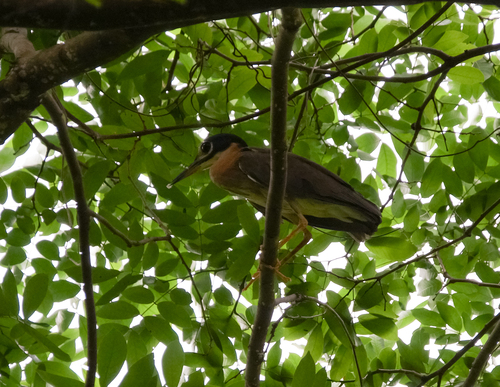 Martinete Encapuchado
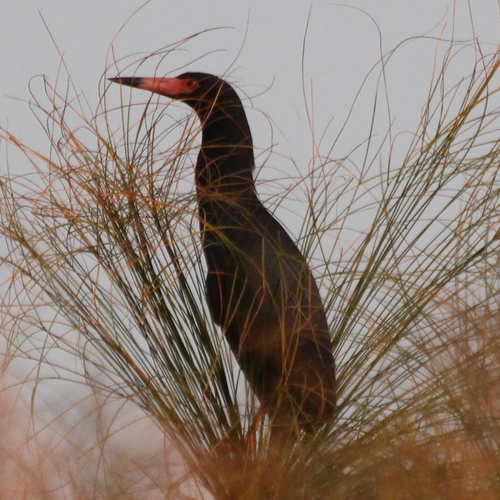 Garcilla Ventrirroja
En breve
La marca de campo más confiable para separar el Martinete Encapuchado inmaduro de la Garcilla Ventrirroja es la presencia de manchas blancas en las cobertoras del ala superior del primero, visibles en vuelo o cuando está posado con las alas parcialmente abiertas. Los adultos se diferencian mejor por el llamativo triángulo escapular blanco en la espalda del Martinete Encapuchado y la cabeza con copete negro, frente a la parte superior gris oscuro y el vientre rufo de la Garcilla Ventrirroja. Ambas especies muestran patas amarillas, pero el Martinete Encapuchado es más robusto y tiene un copete más corto. El plumaje juvenil y las vistas en vuelo son clave para una separación rápida, especialmente en el sur de África donde ambas pueden ocurrir.
Consejos de identificación
- Patrón de ala juvenil/inmaduro: Busca manchas blancas en las cobertoras del ala superior del Martinete Encapuchado inmaduro; estas están ausentes en la Garcilla Ventrirroja de cualquier edad. Esto es más visible en vuelo o cuando el ave estira sus alas.
- Patrón del pecho en inmaduros: Los Martinete Encapuchados inmaduros muestran un pecho estriado, mientras que las Garcillas Ventrirrojas juveniles son más pálidas y marrones sin un fuerte estriado.
- Patrón de la espalda en adultos: El Martinete Encapuchado adulto tiene una notable mancha triangular blanca en la espalda (escapulares blancas), muy visible cuando está posado o en vuelo. La Garcilla Ventrirroja carece de esta marca y es uniformemente gris oscuro por encima.
- Cabeza y copete: El Martinete Encapuchado muestra una cabeza negra con un copete corto o una exhibición de plumas prominente, y ojos rojos con un anillo blanco. La Garcilla Ventrirroja tiene una cabeza gris oscura sin copete ni anillo ocular.
- Color del cuello y pecho: El cuello y el pecho del Martinete Encapuchado son rufos, contrastando con su garganta blanca; la Garcilla Ventrirroja tiene un pecho y cabeza gris oscuros, con el rufo confinado al vientre, alas y cola.
- Color del vientre: La Garcilla Ventrirroja tiene un vientre, alas y cola claramente rufos, lo que contrasta con su parte superior oscura. El vientre del Martinete Encapuchado es marrón-blanquecino y menos contrastante.
- Color de las patas en vuelo: Ambas especies tienen patas amarillas, pero en la Garcilla Ventrirroja las patas y pies amarillos brillantes son especialmente llamativos contra las partes inferiores oscuras en vuelo. En el Martinete Encapuchado, las patas son amarillas pero no contrastan tan fuertemente debido a las partes inferiores más claras.
- Tamaño y estructura: El Martinete Encapuchado es de tamaño mediano y más robusto, mientras que la Garcilla Ventrirroja es más pequeña y más compacta. Esto puede ayudar cuando ambas se ven juntas o con otras garzas.
- Comportamiento: La Garcilla Ventrirroja a menudo adopta una postura similar a la de un avetoro, con el pico horizontal al esconderse y es más probable que se vea merodeando en vegetación densa. El Martinete Encapuchado es menos secreto en su postura.
- Preferencia de hábitat: La Garcilla Ventrirroja es más probable que se encuentre en humedales bien vegetados y llanuras de inundación poco profundas, especialmente en el lado terrestre. El Martinete Encapuchado es más generalista pero a menudo se encuentra cerca de márgenes de agua boscosos.
- Color de ojos y marcas faciales: El Martinete Encapuchado tiene ojos rojos grandes con un anillo blanco y lore pálido; la Garcilla Ventrirroja carece de estos contrastes faciales.
- Presencia de copete: Solo el Martinete Encapuchado tiene un copete corto o una exhibición de plumas prominente en la cabeza.
- Aspecto en vuelo: En vuelo, nota la robustez general y el triángulo blanco en la espalda del Martinete Encapuchado frente a la Garcilla Ventrirroja, que es más pequeña, más oscura y de color más uniforme con alas y vientre rufos.
- Trampas de plumaje: El cuello y pecho rufos del Martinete Encapuchado adulto podrían confundirse con el vientre rufos de la Garcilla Ventrirroja, pero la distribución del color (cuello vs. vientre) y el patrón de la espalda (triángulo blanco vs. oscuro uniforme) son clave.
- Cuando haya dudas: Concéntrate en el patrón del ala superior en inmaduros y el triángulo escapular blanco en adultos para la separación más confiable.
Tamaño
El Martinete Encapuchado es una garza de tamaño mediano, midiendo de 50 a 55 cm de longitud, y es notablemente más robusto que la Garcilla Ventrirroja, que se describe como pequeña y compacta para una garza. Si bien no se proporcionan aquí medidas exactas para la Garcilla Ventrirroja, su estructura general es más petite y menos robusta que la del Martinete Encapuchado. En el campo, esta diferencia de tamaño puede ser evidente cuando ambas se ven juntas o se comparan con otras garzas.
Plumaje
- Juveniles/Inmadures: Los Martinete Encapuchados inmaduros tienen un pecho estriado y manchas blancas distintivas en las cobertoras del ala superior, que están ausentes en la Garcilla Ventrirroja. Las Garcillas Ventrirrojas juveniles son más pálidas y marrones en general, careciendo de un fuerte patrón de alas, y se oscurecen a medida que maduran.
- Adultos: Los Martinete Encapuchados adultos tienen una cabeza negra con un copete corto, ojos rojos con anillo blanco, cuello y pecho rufos, y una mancha triangular blanca diagnóstica en la espalda formada por escapulares blancas. Sus partes inferiores son marrón-blanquecinas. En contraste, los adultos de la Garcilla Ventrirroja son gris oscuros en la cabeza, espalda y pecho, con un vientre, alas y cola rufos. Las patas y pies amarillos de la Garcilla Ventrirroja destacan en vuelo contra las partes inferiores oscuras, mientras que las patas del Martinete Encapuchado también son amarillas pero menos contrastantes debido a las partes inferiores más claras. La garganta del Martinete Encapuchado es blanca, mientras que la de la Garcilla Ventrirroja no se describe específicamente pero es generalmente más oscura.
Comportamiento
La Garcilla Ventrirroja es una especie que se esconde, a menudo adoptando una postura similar a la de un avetoro con su pico sostenido horizontalmente al esconderse. Prefiere cazar en aguas poco profundas o en el lado terrestre de la densa vegetación de humedales y es generalmente sedentaria, moviéndose localmente con las inundaciones estacionales. El Martinete Encapuchado no tiene una postura de escondite o similar a la de un avetoro descrita en estas notas, y es típicamente menos secreto en su porte. Ambas son crepusculares o nocturnas por tendencia familiar, pero el comportamiento de la Garcilla Ventrirroja es más especializado para el ocultamiento.
Hábitat
Ambas especies ocurren en África subsahariana o del sur y están asociadas con humedales. La Garcilla Ventrirroja está más estrechamente vinculada a humedales bien vegetados y llanuras de inundación poco profundas, a menudo en el lado terrestre de la densa vegetación. El Martinete Encapuchado se encuentra más ampliamente en África subsahariana, sin una fuerte preferencia de hábitat anotada aquí, pero generalmente se asocia con márgenes de agua boscosos. Es posible que haya superposición en el sur de África, por lo que el hábitat por sí solo no siempre es diagnóstico.
Martinete Encapuchado · Garcilla Ventrirroja · Mis aves difíciles