

White-backed Night Heron vs Rufous-bellied Heron
Calherodius leuconotus contro Ardeola rufiventris
Fai un quiz con White-backed Night Heron e Rufous-bellied Heron
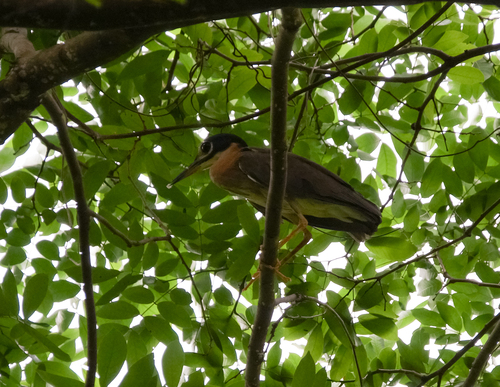 White-backed Night Heron
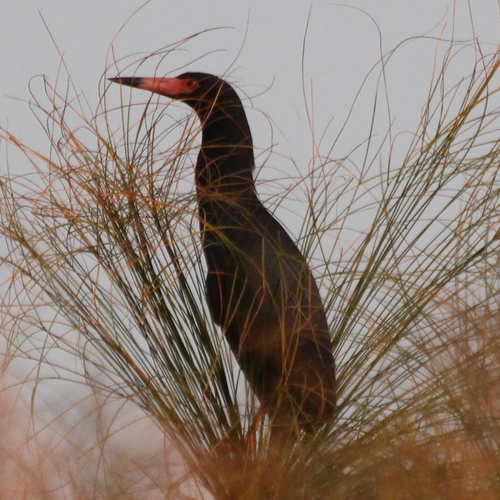 Rufous-bellied Heron
In breve
Il segno distintivo più affidabile per separare il giovane White-backed Night Heron dal Rufous-bellied Heron è la presenza di macchie bianche sulle copritrici dell'ala superiore del primo, visibili in volo o quando è posato con le ali parzialmente aperte. Gli adulti si distinguono meglio grazie al triangolo scapolare bianco e ben definito del White-backed Night Heron sulla schiena e alla testa con cappuccio nero, rispetto all'aspetto complessivo grigio scuro del Rufous-bellied Heron e al suo ventre rufous. Entrambe le specie mostrano gambe gialle, ma il White-backed Night Heron è più robusto e ha una cresta più corta. Il piumaggio giovanile e le viste in volo sono fondamentali per una rapida separazione, specialmente nell'Africa meridionale dove entrambe le specie possono essere presenti.
Consigli di identificazione
- Juvenile/immature wing pattern: Cerca macchie bianche sulle copritrici dell'ala superiore del giovane White-backed Night Heron—queste sono assenti nel Rufous-bellied Heron di qualsiasi età. Questo è più visibile in volo o quando l'uccello allunga le ali.
- Breast pattern in immatures: I giovani White-backed Night Heron mostrano un petto striato, mentre i giovani Rufous-bellied Heron sono più chiari e marroni senza forti striature.
- Adult back pattern: L'adulto White-backed Night Heron ha una macchia triangolare bianca ben definita sulla schiena (scapolari bianchi), altamente visibile quando è posato o in volo. Il Rufous-bellied Heron non ha questo segno ed è uniformemente grigio scuro sopra.
- Head and crest: Il White-backed Night Heron mostra una testa nera con una cresta corta o una prominente esposizione di piume, e occhi rossi con un anello bianco. Il Rufous-bellied Heron ha una testa grigio scuro senza cresta o anello oculare.
- Neck and breast color: Il collo e il petto del White-backed Night Heron sono rufous, in contrasto con la sua gola bianca; il Rufous-bellied Heron ha un petto e una testa grigio scuro, con il rufous confinato al ventre, alle ali e alla coda.
- Belly color: Il Rufous-bellied Heron ha un ventre rufous distintivo, ali e coda, che contrastano con le sue parti superiori scure. Il ventre del White-backed Night Heron è bianco-marrone e meno contrastante.
- Leg color in flight: Entrambe le specie hanno gambe gialle, ma nel Rufous-bellied Heron le gambe e i piedi gialli brillanti sono particolarmente evidenti contro le parti inferiori scure in volo. Nel White-backed Night Heron, le gambe sono gialle ma non contrastano così fortemente a causa delle parti inferiori più chiare.
- Size and structure: Il White-backed Night Heron è di dimensioni medie e più robusto, mentre il Rufous-bellied Heron è più piccolo e più compatto. Questo può aiutare quando entrambi sono visti insieme o con altri aironi.
- Behavior: Il Rufous-bellied Heron adotta spesso una postura simile a quella di un tarabuso, con il becco orizzontale quando si nasconde ed è più probabile che venga visto muoversi furtivamente nella vegetazione densa. Il White-backed Night Heron è meno riservato nella postura.
- Habitat preference: Il Rufous-bellied Heron è più probabile che si trovi in zone umide ben vegetate e in pianure alluvionali poco profonde, specialmente sul lato terrestre. Il White-backed Night Heron è più generalista ma spesso vicino ai margini acquatici boscosi.
- Eye color and facial markings: Il White-backed Night Heron ha grandi occhi rossi con un anello bianco e lore gialli pallidi; il Rufous-bellied Heron non ha questi contrasti facciali.
- Crest presence: Solo il White-backed Night Heron ha una cresta corta o una prominente esposizione di piume sulla testa.
- Flight jizz: In volo, nota la robustezza complessiva e il triangolo bianco sulla schiena del White-backed Night Heron rispetto al Rufous-bellied Heron, più piccolo, più scuro e di colore più uniforme con ali e ventre rufous.
- Plumage pitfalls: Il collo e il petto rufous dell'adulto White-backed Night Heron potrebbero essere confusi con il ventre rufous del Rufous-bellied Heron, ma la distribuzione del colore (collo vs. ventre) e il modello della schiena (triangolo bianco vs. uniforme scuro) sono fondamentali.
- When in doubt: Concentrati sul modello dell'ala superiore nei giovani e sul triangolo scapolare bianco negli adulti per la separazione più affidabile.
Taglia
Il White-backed Night Heron è un airone di dimensioni medie, che misura 50–55 cm di lunghezza, ed è notevolmente più robusto del Rufous-bellied Heron, che è descritto come piccolo e compatto per un airone. Sebbene qui non siano fornite misurazioni esatte per il Rufous-bellied Heron, la sua struttura complessiva è più minuta e meno robusta rispetto al White-backed Night Heron. Sul campo, questa differenza di dimensioni può essere evidente quando entrambi sono visti insieme o confrontati con altri aironi.
Piumaggio
- Juveniles/Immatures: I giovani White-backed Night Heron hanno un petto striato e macchie bianche distintive sulle copritrici dell'ala superiore, che sono assenti nel Rufous-bellied Heron. I giovani Rufous-bellied Heron sono più chiari e marroni nel complesso, privi di un forte modello di ali, e scuriscono man mano che maturano.
- Adults: Gli adulti White-backed Night Heron hanno una testa nera con una cresta corta, occhi rossi con anello bianco, collo e petto rufous, e una macchia triangolare bianca diagnostica sulla schiena formata da scapolari bianchi. Le loro parti inferiori sono bianco-marroni. Al contrario, gli adulti Rufous-bellied Heron sono grigio scuro sulla testa, schiena e petto, con un ventre, ali e coda rufous. Le gambe e i piedi gialli del Rufous-bellied Heron spiccano in volo contro le parti inferiori scure, mentre le gambe del White-backed Night Heron sono anch'esse gialle ma meno contrastanti a causa delle parti inferiori più chiare. La gola del White-backed Night Heron è bianca, mentre quella del Rufous-bellied Heron non è specificamente descritta ma è generalmente più scura.
Comportamento
Il Rufous-bellied Heron è una specie furtiva, spesso adottando una postura simile a quella di un tarabuso con il becco tenuto orizzontalmente quando si nasconde. Preferisce cacciare in acque poco profonde o sul lato terrestre della vegetazione umida densa ed è generalmente sedentario, muovendosi localmente con le inondazioni stagionali. Il White-backed Night Heron non ha una postura furtiva o simile a quella di un tarabuso descritta in queste note, ed è tipicamente meno riservato nel suo portamento. Entrambi sono crepuscolari o notturni per tendenza familiare, ma il comportamento del Rufous-bellied Heron è più specializzato per la camuffamento.
Habitat
Entrambe le specie si trovano nell'Africa subsahariana o meridionale e sono associate a zone umide. Il Rufous-bellied Heron è più strettamente legato a zone umide ben vegetate e pianure alluvionali poco profonde, spesso sul lato terrestre di vegetazione densa. Il White-backed Night Heron è trovato più ampiamente nell'Africa subsahariana, senza una forte preferenza per l'habitat notata qui, ma è generalmente associato ai margini acquatici boscosi. È possibile un sovrapposizione nell'Africa meridionale, quindi l'habitat da solo non è sempre diagnostico.
White-backed Night Heron · Rufous-bellied Heron · I miei uccelli difficili