

Motmot

セジロミゾゴイ 対 クロアマサギ

Calherodius leuconotus 対 Ardeola rufiventris

セジロミゾゴイとクロアマサギのクイズ
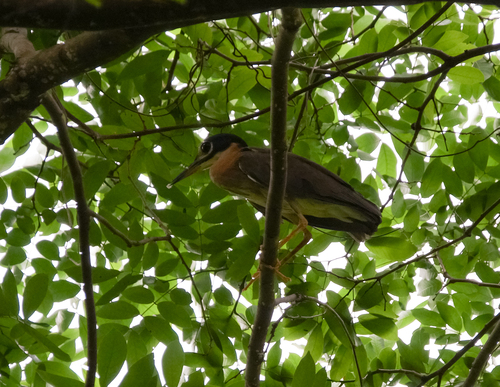
セジロミゾゴイ (Calherodius leuconotus) セジロミゾゴイ
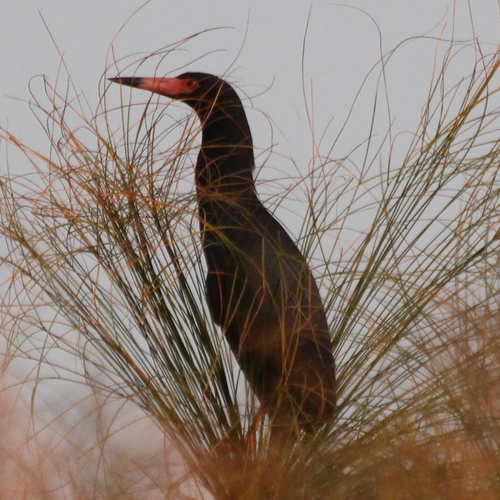
クロアマサギ (Ardeola rufiventris) クロアマサギ

メディア

読み込み中…

要点

未熟なセジロミゾゴイとクロアマサギを区別するための最も信頼できるフィールドマークは、前者の上翼覆羽に見られる白い斑点の存在で、飛行中または翼を部分的に広げて止まっているときに確認できます。成鳥は、セジロミゾゴイの背中の目立つ白い肩羽三角形と黒い頭部と、クロアマサギの全体的に暗い灰色の上面と赤褐色の腹部で区別できます。両種とも黄色い脚を持っていますが、セジロミゾゴイはよりがっしりしており、冠羽が短いです。幼鳥の羽毛と飛行時の姿勢は、特に南アフリカで両方が見られる場合に迅速な区別のための鍵となります。

識別のコツ

  1. Juvenile/immature wing pattern: 未熟なセジロミゾゴイの上翼覆羽に見られる白い斑点を探してください—これは、年齢に関係なくクロアマサギには存在しません。これは、飛行中または鳥が翼を広げるときに最も目立ちます。
  2. Breast pattern in immatures: 未熟なセジロミゾゴイは縞模様の胸を示しますが、幼鳥のクロアマサギはより淡く、茶色で、強い縞模様はありません。
  3. Adult back pattern: 成鳥のセジロミゾゴイは、背中に大胆な白い三角形の斑点(白い肩羽)を持ち、止まっているときや飛行中に非常に目立ちます。クロアマサギはこのマークがなく、上面は均一に暗い灰色です。
  4. Head and crest: セジロミゾゴイは短い冠羽または目立つ羽毛のディスプレイを持つ黒い頭部を示し、赤い目と白いリングがあります。クロアマサギは冠羽や目のリングがない暗い灰色の頭部を持っています。
  5. Neck and breast color: セジロミゾゴイの首と胸は赤褐色で、白い喉と対照的です。クロアマサギは暗い灰色の胸と頭を持ち、赤褐色は腹部、翼、尾に限られています。
  6. Belly color: クロアマサギは明確に赤褐色の腹部、翼、尾を持ち、暗い上面と対照的です。セジロミゾゴイの腹部は白褐色で、対照が少ないです。
  7. Leg color in flight: 両種とも黄色い脚を持っていますが、クロアマサギの明るい黄色の脚と足は、飛行中に暗い下面に対して特に目立ちます。セジロミゾゴイの脚は黄色ですが、より淡い下面のために対照が強くありません。
  8. Size and structure: セジロミゾゴイは中型でがっしりしており、クロアマサギは小型でコンパクトです。これは、両方が一緒に見られる場合や他のサギと比較される場合に役立ちます。
  9. Behavior: クロアマサギはしばしば隠れているときに横向きのくちばしを持つビトレンのような姿勢を取り、密な植生の中でうろついているのが見られる可能性が高いです。セジロミゾゴイは姿勢があまり秘密めいていません。
  10. Habitat preference: クロアマサギは、特に陸側でよく植生のある湿地や浅い氾濫原にいる可能性が高いです。セジロミゾゴイはより一般的ですが、しばしば森林の水辺近くにいます。
  11. Eye color and facial markings: セジロミゾゴイは大きな赤い目と白いリング、淡い黄色の顔面を持っていますが、クロアマサギはこれらの顔の対比がありません。
  12. Crest presence: セジロミゾゴイだけが頭に短い冠羽または目立つ羽毛のディスプレイを持っています。
  13. Flight jizz: 飛行中は、セジロミゾゴイの全体的な体格と白い背中の三角形と、赤褐色の下面と腹部を持つより小さく、暗く、均一な色のクロアマサギを比較してください。
  14. Plumage pitfalls: 成鳥のセジロミゾゴイの赤褐色の首と胸は、クロアマサギの赤褐色の腹部と混同される可能性がありますが、色の分布(首対腹部)と背中の模様(白い三角形対均一な暗色)が鍵です。
  15. When in doubt: 未熟な個体の上翼の模様と成鳥の白い肩羽三角形に焦点を当てて、最も信頼できる区別を行ってください。

大きさ

セジロミゾゴイは中型のサギで、全長50〜55 cmで、クロアマサギよりも明らかにがっしりしています。クロアマサギの正確な測定値はここでは提供されていませんが、その全体的な構造はセジロミゾゴイよりも小柄で頑丈ではありません。フィールドでは、両者が一緒に見られる場合や他のサギと比較される場合に、このサイズの違いが明らかになることがあります。

羽色

行動

クロアマサギは隠れているときに横向きのくちばしを持つビトレンのような姿勢を取ることが多い、うろつく種です。浅い水中や密な湿地の植生の陸側で狩りを好み、一般的に定住しており、季節的な洪水に伴って局所的に移動します。セジロミゾゴイはこれらのメモにおいて隠れるまたはビトレンのような姿勢が記述されておらず、通常はその振る舞いがあまり秘密めいていません。両者は家族の傾向により薄明かりまたは夜行性ですが、クロアマサギの行動は隠蔽に特化しています。

生息環境

両種はサハラ以南または南アフリカに生息し、湿地に関連しています。クロアマサギは、特に密な植生の陸側で、よく植生のある湿地や浅い氾濫原に密接に結びついています。セジロミゾゴイはサハラ以南のアフリカでより広く見られ、ここでは強い生息地の好みは記載されていませんが、一般的には森林の水辺に関連しています。南アフリカでは重複が可能であるため、生息地だけでは常に診断的ではありません。

より良い説明を送る

比較と同じ項目を使ってください。文章はすぐに公開されます。

The most reliable field mark for separating immature White-backed Night Heron from Rufous-bellied Heron is the presence of white spots on the upperwing coverts of the former, visible in flight or when perched with wings partially open. Adults are best told apart by the White-backed Night Heron's striking white scapular triangle on the back and black-capped head, versus the Rufous-bellied Heron's overall dark grey upperparts and rufous belly. Both species show yellow legs, but the White-backed Night Heron is bulkier and has a shorter crest. Juvenile plumage and flight views are key for quick separation, especially in southern Africa where both may occur.

  1. Juvenile/immature wing pattern: Look for white spots on the upperwing coverts of immature White-backed Night Heron—these are absent in Rufous-bellied Heron of any age. This is most visible in flight or when the bird stretches its wings.
  2. Breast pattern in immatures: Immature White-backed Night Herons show a streaked breast, while juvenile Rufous-bellied Herons are paler and browner with no strong streaking.
  3. Adult back pattern: Adult White-backed Night Heron has a bold white triangular patch on the back (white scapulars), highly visible when perched or in flight. Rufous-bellied Heron lacks this mark and is uniformly dark grey above.
  4. Head and crest: White-backed Night Heron shows a black head with a short crest or prominent feather display, and red eyes with a white ring. Rufous-bellied Heron has a dark grey head without a crest or eye ring.
  5. Neck and breast color: White-backed Night Heron's neck and breast are rufous, contrasting with its white throat; Rufous-bellied Heron has a dark grey breast and head, with rufous confined to the belly, wings, and tail.
  6. Belly color: Rufous-bellied Heron has a distinctly rufous belly, wings, and tail, which contrasts with its dark upperparts. White-backed Night Heron's belly is whitish-brown and less contrasting.
  7. Leg color in flight: Both species have yellow legs, but in Rufous-bellied Heron the bright yellow legs and feet are especially striking against the dark underparts in flight. In White-backed Night Heron, the legs are yellow but do not contrast as strongly due to paler underparts.
  8. Size and structure: White-backed Night Heron is medium-sized and bulkier, while Rufous-bellied Heron is smaller and more compact. This can help when both are seen together or with other herons.
  9. Behavior: Rufous-bellied Heron often adopts a bittern-like, horizontal-billed posture when hiding and is more likely to be seen skulking in dense vegetation. White-backed Night Heron is less secretive in posture.
  10. Habitat preference: Rufous-bellied Heron is more likely in well-vegetated wetlands and shallow floodplains, especially on the landward side. White-backed Night Heron is more generalist but often near wooded water margins.
  11. Eye color and facial markings: White-backed Night Heron has large red eyes with a white ring and pale yellow lores; Rufous-bellied Heron lacks these facial contrasts.
  12. Crest presence: Only White-backed Night Heron has a short crest or prominent feather display on the head.
  13. Flight jizz: In flight, note the overall bulk and white back triangle of White-backed Night Heron versus the smaller, darker, and more uniformly colored Rufous-bellied Heron with rufous underwings and belly.
  14. Plumage pitfalls: Adult White-backed Night Heron's rufous neck and breast could be confused with the rufous belly of Rufous-bellied Heron, but the distribution of color (neck vs. belly) and back pattern (white triangle vs. uniform dark) are key.
  15. When in doubt: Focus on the upperwing pattern in immatures and the white scapular triangle in adults for the most reliable separation.

The White-backed Night Heron is a medium-sized heron, measuring 50–55 cm in length, and is noticeably bulkier than the Rufous-bellied Heron, which is described as small and compact for a heron. While exact measurements for the Rufous-bellied Heron are not provided here, its overall structure is more petite and less robust than the White-backed Night Heron. In the field, this size difference can be apparent when both are seen together or compared to other herons.

  • Juveniles/Immatures: Immature White-backed Night Herons have a streaked breast and distinctive white spots on the upperwing coverts, which are absent in Rufous-bellied Heron. Juvenile Rufous-bellied Herons are paler and browner overall, lacking strong wing patterning, and darken as they mature.
  • Adults: Adult White-backed Night Herons have a black head with a short crest, white-ringed red eyes, rufous neck and breast, and a diagnostic white triangular patch on the back formed by white scapulars. Their underparts are whitish-brown. In contrast, adult Rufous-bellied Herons are dark grey on the head, back, and breast, with a rufous belly, wings, and tail. The yellow legs and feet of Rufous-bellied Heron stand out in flight against the dark underparts, while the White-backed Night Heron's legs are also yellow but less contrasting due to lighter underparts. The White-backed Night Heron's throat is white, while the Rufous-bellied Heron's is not specifically described but is generally darker.

Rufous-bellied Heron is a skulking species, often adopting a bittern-like posture with its bill held horizontally when hiding. It prefers to hunt in shallow water or on the landward side of dense wetland vegetation and is generally sedentary, moving locally with seasonal floods. White-backed Night Heron does not have a described skulking or bittern-like posture in these notes, and is typically less secretive in its bearing. Both are crepuscular or nocturnal by family tendency, but the Rufous-bellied Heron's behavior is more specialized for concealment.

Both species occur in sub-Saharan or southern Africa and are associated with wetlands. The Rufous-bellied Heron is more closely tied to well-vegetated wetlands and shallow floodplains, often on the landward side of dense vegetation. The White-backed Night Heron is found more broadly in sub-Saharan Africa, without a strong habitat preference noted here, but is generally associated with wooded water margins. Overlap is possible in southern Africa, so habitat alone is not always diagnostic.

変更を破棄しますか?

保存していない編集があります。今離れると失われます。

セジロミゾゴイ · クロアマサギ · 苦手な鳥