

alvéola-amarela vs alvéola-citrina
Motacilla flava versus Motacilla citreola
Jogue um quiz com alvéola-amarela e alvéola-citrina
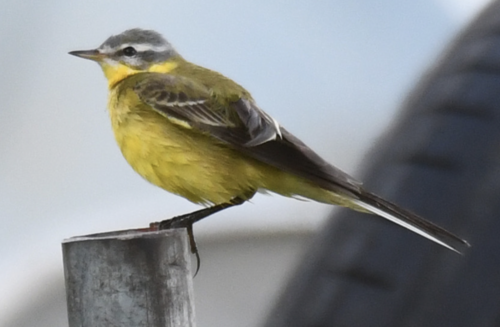 alvéola-amarela
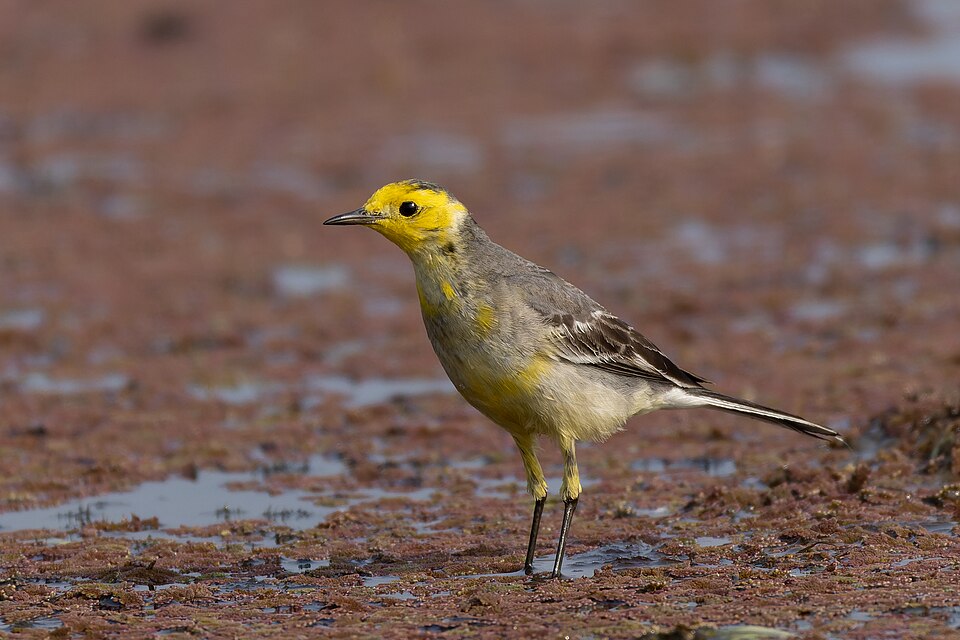 alvéola-citrina
Em resumo
A marca de campo mais confiável entre a alvéola-amarela e a alvéola-citrina é o padrão da cabeça na plumagem de reprodução: machos adultos de alvéola-citrina apresentam uma cabeça amarela brilhante com uma nuca preta contrastante, enquanto machos de alvéola-amarela têm cores de cabeça variáveis (geralmente azul, cinza ou oliva), mas nunca uma cabeça totalmente amarela com nuca preta. Em plumagens não reprodutivas e imaturas, ambas as espécies podem parecer desbotadas, mas a alvéola-citrina tende a mostrar um amarelo mais pálido, com um tom de limão e um supercílio pálido mais forte. A estrutura é semelhante, mas a alvéola-amarela tem a cauda ligeiramente mais curta e, no geral, é um pouco menor. Ambas as espécies são aves esbeltas e de cauda longa de habitats úmidos abertos, mas a alvéola-citrina é muito mais rara na Europa ocidental.
Dicas de identificação
- Padrão da cabeça do macho em reprodução: Machos adultos de alvéola-citrina têm uma cabeça amarela brilhante com uma nuca preta contrastante, única entre as alvéolas. Machos de alvéola-amarela nunca mostram essa combinação; a cor da cabeça varia por subespécie, mas nunca é totalmente amarela com uma nuca preta. Esta é a marca mais diagnóstica na primavera/verão.
- Padrão da cabeça não reprodutiva e juvenil: A alvéola-citrina (todas as idades fora da reprodução) geralmente mostra um supercílio amarelo pálido ou esbranquiçado e um padrão facial geralmente mais limpo e frio. A alvéola-amarela é mais oliva ou acastanhada acima, com menos contraste no rosto, e o supercílio é menos distinto.
- Cor da parte inferior: Ambas as espécies são amarelas na parte inferior na plumagem de reprodução, mas a alvéola-citrina é um amarelo limão mais frio, enquanto a alvéola-amarela é mais quente e pode ser mais variável (às vezes quase esbranquiçada em juvenis).
- Cor da parte superior: A alvéola-citrina é cinza ou preta acima em machos reprodutores, enquanto a alvéola-amarela é oliva ou esverdeada acima. Este contraste é mais aparente em machos adultos.
- Comprimento da cauda: A alvéola-amarela tem a cauda mais curta entre as alvéolas europeias, mas esta é uma característica sutil e útil apenas em comparação direta.
- Visões de voo: Nenhuma diferença distintiva de padrão de asa superior ou de voo é descrita para imaturos ou adultos nas fontes, então concentre-se na coloração da cabeça e do corpo.
- Armadilhas de sexo e idade: Fêmeas e aves não reprodutivas de ambas as espécies são mais apagadas e mais semelhantes, mas a alvéola-citrina tende a manter um supercílio pálido e uma aparência geral mais limpa e fria.
- Habitat e distribuição: Na Europa ocidental, a alvéola-amarela é comum em habitat adequado, enquanto a alvéola-citrina é um vagrante raro. Se você estiver na Europa ocidental e ver uma alvéola em um prado úmido, é muito mais provável que seja uma alvéola-amarela, a menos que você tenha evidências fortes em contrário.
- Confusão de subespécies: A alvéola-amarela tem muitas subespécies com padrões de cabeça variáveis (azul, cinza, preto, oliva), mas nenhuma combina com a cabeça amarela brilhante com nuca preta da alvéola-citrina.
- Voz: A alvéola-amarela emite um chamado agudo 'jeet', mas isso não é um separador confiável da alvéola-citrina com base nas informações disponíveis.
- Impressão geral: A alvéola-citrina geralmente parece mais limpa, fria e mais nitidamente marcada, especialmente na cabeça e nas partes inferiores, enquanto a alvéola-amarela é mais quente e mais variável.
- Bandos mistos: Durante a migração, ambas as espécies podem ocorrer juntas, mas sempre verifique o padrão único da cabeça do macho reprodutor de alvéola-citrina.
- Zonas híbridas: A alvéola-amarela tem zonas híbridas com padrões de cabeça variáveis, mas mesmo essas não mostram a cabeça totalmente amarela com nuca preta da alvéola-citrina.
- Confusão juvenil: A alvéola-amarela juvenil pode ser muito pálida na parte inferior e acastanhada acima, mas carece do supercílio forte e dos tons frios da alvéola-citrina.
- Use múltiplas características: Quando em dúvida, combine o padrão da cabeça, a cor da parte superior e o contexto (distribuição e habitat) para a identificação mais confiável.
Tamanho
Ambas as espécies são alvéolas esbeltas com caudas longas. A alvéola-amarela é ligeiramente mais curta no geral (15–16 cm) em comparação com a alvéola-citrina (15,5–17 cm) [wikipedia]. A cauda da alvéola-amarela é a mais curta entre as alvéolas europeias, o que pode ser uma distinção sutil, mas útil. No campo, essa diferença é menor e raramente diagnóstica, a menos que ambas as espécies estejam lado a lado.
Plumagem
-
Plumagem juvenil e não reprodutiva: Ambas as espécies tornam-se mais pálidas na parte inferior e na cabeça fora da temporada de reprodução, com o amarelo sendo substituído por tons esbranquiçados ou pálidos. A alvéola-amarela juvenil frequentemente aparece esbranquiçada na parte inferior com oliva-acastanhada acima, enquanto a alvéola-citrina juvenil também é pálida, mas tende a ter uma aparência mais limpa, mais lavada de limão e um supercílio pálido mais distinto. O padrão das asas não é descrito como um separador forte para nenhuma das espécies nessa idade nas fontes.
-
Machos adultos em reprodução: Machos de alvéola-amarela são oliva acima e amarelos abaixo, com a cor da cabeça variando por subespécie (azul, cinza, oliva ou preto, mas nunca totalmente amarelo com uma nuca preta). Machos de alvéola-citrina são cinzas ou pretos acima, amarelos brilhantes abaixo e têm uma cabeça amarela marcante com uma nuca preta, uma característica única entre as alvéolas.
-
Fêmeas e aves não reprodutivas: Ambas são mais apagadas, mas fêmeas de alvéola-citrina e aves não reprodutivas mantêm um supercílio amarelo pálido e uma aparência geral mais limpa e fria em comparação com os tons mais quentes e olivados da alvéola-amarela.
Comportamento
Ambas as espécies são ativas, alimentando-se de insetos no chão em habitats úmidos abertos, constantemente balançando suas caudas. Seu comportamento é muito semelhante, e ambas podem ser vistas correndo ou fazendo voos curtos sobre prados úmidos ou pântanos. Nenhuma diferença comportamental distintiva é notada nas fontes para separação em campo.
Habitat
A alvéola-amarela se reproduz amplamente na Europa temperada e na Ásia, favorecendo prados úmidos e áreas abertas próximas à água. A alvéola-citrina se reproduz no Paleártico central (incluindo prados úmidos e tundra) e é um vagrante raro na Europa ocidental, onde é muito menos provável de ser encontrada. Na Europa ocidental, a alvéola-amarela é a espécie esperada; a alvéola-citrina é uma raridade notável.
Voz
A alvéola-amarela emite um chamado agudo 'jeet'. As fontes não fornecem uma descrição de chamada contrastante para a alvéola-citrina, então as vocalizações não são confiavelmente diagnósticas com base nas informações fornecidas.