

Cutrettola vs Cutrettola testagialla orientale
Motacilla flava contro Motacilla citreola
Fai un quiz con Cutrettola e Cutrettola testagialla orientale
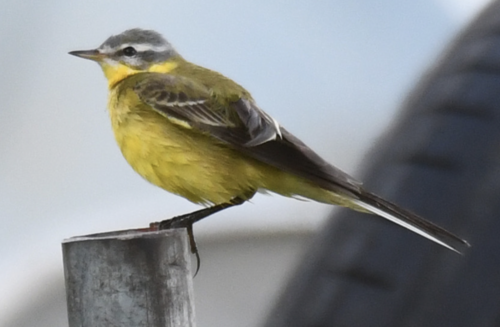 Cutrettola
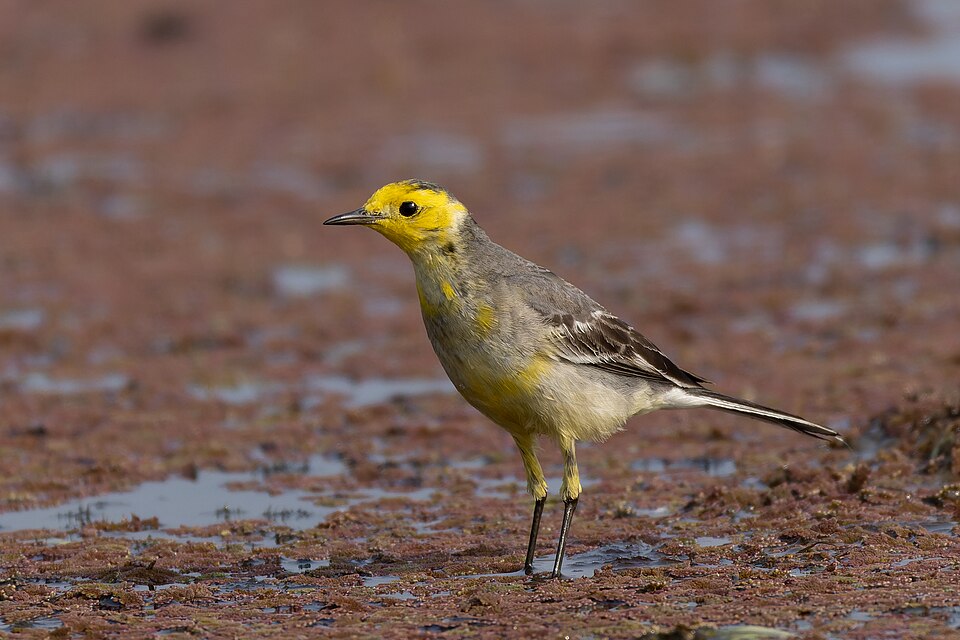 Cutrettola testagialla orientale
In breve
Il segno di campo più affidabile tra la Cutrettola e la Cutrettola testagialla orientale è il motivo della testa in abito nuziale: i maschi adulti di Cutrettola testagialla orientale mostrano una testa gialla brillante con una nuca nera in contrasto, mentre i maschi di Cutrettola hanno colori della testa variabili (spesso blu, grigio o oliva) ma mai una testa completamente gialla con una nuca nera. In abiti non nuziali e immaturi, entrambe le specie possono apparire sbiadite, ma la Cutrettola testagialla orientale tende a mostrare un giallo più chiaro, più limone e un supercilium pallido più forte. La struttura è simile, ma la Cutrettola è leggermente più corta di coda e complessivamente un po' più piccola. Entrambe le specie sono uccelli snelli e longilinei di habitat umidi aperti, ma la Cutrettola testagialla orientale è molto più rara nell'Europa occidentale.
Consigli di identificazione
- Motivo della testa del maschio in riproduzione: I maschi adulti di Cutrettola testagialla orientale hanno una testa gialla brillante con una nuca nera in contrasto, unica tra le cutrettole. I maschi di Cutrettola non mostrano mai questa combinazione; il loro colore della testa varia a seconda della sottospecie ma non è mai completamente giallo con una nuca nera. Questo è il segno diagnostico più importante in primavera/estate.
- Motivo della testa non in riproduzione e giovanile: La Cutrettola testagialla orientale (tutte le età al di fuori della riproduzione) mostra solitamente un supercilium giallastro o biancastro e un motivo facciale generalmente più pulito e freddo. La Cutrettola è più oliva o marrone sopra con meno contrasto nel viso, e il supercilium è meno distintivo.
- Colore delle parti inferiori: Entrambe le specie sono gialle sotto in abito nuziale, ma la Cutrettola testagialla orientale è di un giallo limone più freddo, mentre la Cutrettola è più calda e può essere più variabile (a volte quasi biancastra nei giovanili).
- Colore delle parti superiori: La Cutrettola testagialla orientale è grigia o nera sopra nei maschi in riproduzione, mentre la Cutrettola è oliva o verdastra sopra. Questo contrasto è più evidente nei maschi adulti.
- Lunghezza della coda: La Cutrettola ha la coda più corta tra le cutrettole europee, ma questa è una caratteristica sottile e utile solo in confronto diretto.
- Viste in volo: Non sono descritte differenze distintive nel modello di volo o nelle ali superiori per immaturi o adulti nelle fonti, quindi concentrati sulla colorazione della testa e del corpo.
- Trappole per sesso e età: Le femmine e gli uccelli non in riproduzione di entrambe le specie sono più opachi e più simili, ma la Cutrettola testagialla orientale tende a mantenere un supercilium pallido e un aspetto complessivamente più pulito e freddo.
- Habitat e distribuzione: Nell'Europa occidentale, la Cutrettola è comune in habitat adatti, mentre la Cutrettola testagialla orientale è un raro vagabondo. Se ti trovi nell'Europa occidentale e vedi una cutrettola in un prato umido, è molto più probabile che sia una Cutrettola a meno che tu non abbia prove forti del contrario.
- Confusione tra sottospecie: La Cutrettola ha molte sottospecie con motivi della testa variabili (blu, grigio, nero, oliva), ma nessuna corrisponde alla testa gialla brillante con nuca nera della Cutrettola testagialla orientale.
- Voce: La Cutrettola emette un richiamo acuto 'jeet', ma questo non è un separatore affidabile dalla Cutrettola testagialla orientale basato sulle informazioni disponibili.
- Impressione generale: La Cutrettola testagialla orientale appare spesso più pulita, più fredda e più nettamente segnata, specialmente nella testa e nelle parti inferiori, mentre la Cutrettola è più calda e variabile.
- Fagotti misti: Durante la migrazione, entrambe le specie possono verificarsi insieme, ma controlla sempre il motivo unico della testa del maschio in riproduzione della Cutrettola testagialla orientale.
- Zone ibride: La Cutrettola ha zone ibride con motivi della testa variabili, ma anche queste non mostrano la testa completamente gialla con nuca nera della Cutrettola testagialla orientale.
- Confusione giovanile: La Cutrettola giovanile può essere molto pallida sotto e marrone sopra, ma manca del forte supercilium e delle tonalità fredde della Cutrettola testagialla orientale.
- Utilizza più caratteristiche: In caso di dubbio, combina il motivo della testa, il colore delle parti superiori e il contesto (distribuzione e habitat) per l'identificazione più affidabile.
Taglia
Entrambe le specie sono cutrettole snelle con lunghe code. La Cutrettola è leggermente più corta nel complesso (15–16 cm) rispetto alla Cutrettola testagialla orientale (15.5–17 cm) [wikipedia]. La coda della Cutrettola è la più corta tra le cutrettole europee, il che può essere una distinzione sottile ma utile. Sul campo, questa differenza è minore e raramente diagnostica a meno che entrambe le specie non siano affiancate.
Piumaggio
-
Abito giovanile e non in riproduzione: Entrambe le specie diventano più chiare sotto e sulla testa al di fuori della stagione di riproduzione, con il giallo sostituito da toni bianchi o pallidi. La Cutrettola giovanile appare spesso biancastra sotto con oliva-marrone sopra, mentre la Cutrettola testagialla orientale è anch'essa pallida ma tende ad avere un aspetto più pulito e più limone e un supercilium pallido più distintivo. Il motivo dell'ala non è descritto come un forte separatore per nessuna delle due specie a questa età nelle fonti.
-
Maschi adulti in riproduzione: I maschi di Cutrettola sono oliva sopra e gialli sotto, con il colore della testa che varia a seconda della sottospecie (blu, grigio, oliva o nero, ma mai completamente giallo con una nuca nera). I maschi di Cutrettola testagialla orientale sono grigi o neri sopra, gialli brillanti sotto e hanno una testa gialla sorprendente con una nuca nera, una caratteristica unica tra le cutrettole.
-
Femmine e uccelli non in riproduzione: Entrambi sono più opachi, ma le femmine di Cutrettola testagialla orientale e gli uccelli non in riproduzione mantengono un supercilium giallastro pallido e un aspetto generalmente più pulito e freddo rispetto alle tonalità più calde e olive della Cutrettola.
Comportamento
Entrambe le specie sono attive, insettivore che si nutrono a terra in habitat umidi aperti, scuotendo costantemente le loro code. Il loro comportamento è molto simile, e entrambe possono essere viste correre o fare brevi voli sopra prati umidi o paludi. Non sono notate differenze comportamentali distintive nelle fonti per la separazione sul campo.
Habitat
La Cutrettola nidifica ampiamente in Europa temperata e in Asia, preferendo prati umidi e campi aperti vicino all'acqua. La Cutrettola testagialla orientale nidifica nel Palearctico centrale (inclusi prati umidi e tundra) ed è un raro vagabondo nell'Europa occidentale, dove è molto meno probabile incontrarla. Nell'Europa occidentale, la Cutrettola è la specie attesa; la Cutrettola testagialla orientale è una rarità notevole.
Voce
La Cutrettola emette un richiamo acuto 'jeet'. Le fonti non forniscono una descrizione del richiamo contrastante per la Cutrettola testagialla orientale, quindi le vocalizzazioni non sono affidabilmente diagnostiche basate sulle informazioni fornite.
Cutrettola · Cutrettola testagialla orientale · I miei uccelli difficili