

Motmot

ニシツメナガセキレイ 対 キガシラセキレイ

Motacilla flava 対 Motacilla citreola

ニシツメナガセキレイとキガシラセキレイのクイズ
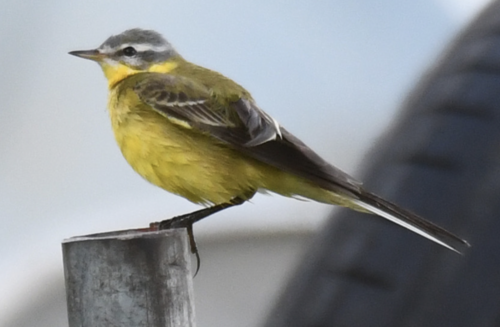
ニシツメナガセキレイ (Motacilla flava) ニシツメナガセキレイ
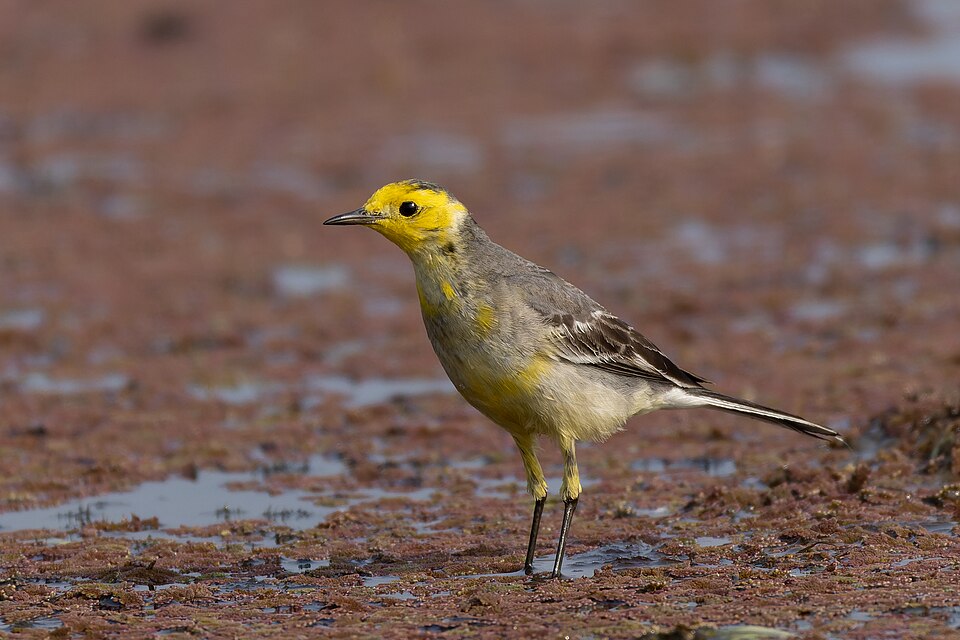
キガシラセキレイ (Motacilla citreola) キガシラセキレイ

メディア

読み込み中…

要点

ニシツメナガセキレイとキガシラセキレイの最も信頼できるフィールドマークは、繁殖羽衣における頭の模様です:キガシラセキレイの成鳥オスは、対照的な黒い後頭部を持つ明るい黄色の頭を示しますが、ニシツメナガセキレイのオスは変動する頭色(しばしば青、灰色、またはオリーブ)を持ちますが、決して黒い後頭部を持つ完全な黄色の頭にはなりません。非繁殖期や未成熟の羽衣では、両種は色あせて見えることがありますが、キガシラセキレイはより淡い、レモン調の黄色と強い淡い眉斑を示す傾向があります。体型は似ていますが、ニシツメナガセキレイはわずかに尾が短く、全体的に少し小さいです。両種は細長い尾を持つ鳥で、開けた湿地に生息しますが、キガシラセキレイは西ヨーロッパでは非常に珍しいです。

識別のコツ

  1. Breeding male head pattern: キガシラセキレイの成鳥オスは、対照的な黒い後頭部を持つ明るい黄色の頭を持ち、セキレイの中でユニークです。ニシツメナガセキレイのオスはこの組み合わせを示すことはありません;彼らの頭色は亜種によって異なりますが、決して黒い後頭部を持つ完全な黄色にはなりません。これは春/夏における最も診断的なマークです。
  2. Non-breeding and juvenile head pattern: キガシラセキレイ(繁殖以外のすべての年齢)は通常、淡い黄色または白っぽい眉斑と、一般的にクリーンで冷たい顔の模様を示します。ニシツメナガセキレイは、上面がよりオリーブまたは茶色がかっており、顔のコントラストが少なく、眉斑はあまり明瞭ではありません。
  3. Underpart color: 両種は繁殖羽衣で下部が黄色ですが、キガシラセキレイは冷たいレモンイエローであり、ニシツメナガセキレイはより暖かく、より変動することがあります(時には幼鳥でほぼ白っぽく見えることもあります)。
  4. Upperpart color: キガシラセキレイは繁殖オスで上面が灰色または黒ですが、ニシツメナガセキレイは上面がオリーブまたは緑がかっています。このコントラストは成鳥オスで最も顕著です。
  5. Tail length: ニシツメナガセキレイはヨーロッパのセキレイの中で最も短い尾を持っていますが、これは微妙な特徴であり、直接比較の際にのみ役立ちます。
  6. Flight views: 幼鳥や成鳥のための上翼や飛行パターンの違いは、情報源には記載されていないため、頭と体の色に焦点を当ててください。
  7. Sex and age pitfalls: 両種の雌や非繁殖鳥はより鈍く、より似ていますが、キガシラセキレイは淡い眉斑と全体的に冷たくクリーンな外観を保つ傾向があります。
  8. Habitat and range: 西ヨーロッパでは、ニシツメナガセキレイは適した生息地で一般的ですが、キガシラセキレイは珍しい迷鳥です。西ヨーロッパにいて湿った草地でセキレイを見た場合、強い証拠がない限り、ニシツメナガセキレイである可能性がはるかに高いです。
  9. Subspecies confusion: ニシツメナガセキレイには変動する頭模様(青、灰色、黒、オリーブ)を持つ多くの亜種がありますが、キガシラセキレイの明るい黄色の頭と黒い後頭部に一致するものはありません。
  10. Voice: ニシツメナガセキレイは高音の「ジート」と呼ばれる鳴き声を出しますが、これは提供された情報に基づいてキガシラセキレイとの信頼できる区別にはなりません。
  11. Overall impression: キガシラセキレイはしばしばよりクリーンで冷たく、特に頭部と下部でより鮮明にマーキングされているように見えますが、ニシツメナガセキレイはより暖かく、より変動します。
  12. Mixed flocks: 渡りの際、両種が一緒に見られることがありますが、常に繁殖オスのキガシラセキレイのユニークな頭模様を確認してください。
  13. Hybrid zones: ニシツメナガセキレイには変動する頭模様を持つハイブリッドゾーンがありますが、これらでさえキガシラセキレイの完全な黄色の頭と黒い後頭部を示すことはありません。
  14. Juvenile confusion: 幼鳥のニシツメナガセキレイは下部が非常に淡く、上面が茶色がかっていることがありますが、キガシラセキレイの強い眉斑と冷たいトーンは欠けています。
  15. Use multiple features: 疑わしい場合は、頭模様、上面の色、文脈(範囲と生息地)を組み合わせて、最も信頼できる識別を行ってください。

大きさ

両種は細長い尾を持つセキレイです。ニシツメナガセキレイはキガシラセキレイ(15.5–17 cm)に比べて全体的にわずかに短い(15–16 cm)です [wikipedia]。ニシツメナガセキレイの尾はヨーロッパのセキレイの中で最も短く、微妙ですが役立つ区別となることがあります。フィールドでは、この違いは小さく、両種が並んでいない限り、診断的であることは稀です。

羽色

行動

両種は開けた湿地で活動的な地面採食性の昆虫食であり、常に尾を振っています。彼らの行動は非常に似ており、両者は湿った草地や湿地の上を走ったり短い飛行をしたりするのが見られます。フィールドでの区別のための情報源には、特に目立った行動の違いは記載されていません。

生息環境

ニシツメナガセキレイは温帯ヨーロッパとアジアで広く繁殖し、湿った草地や水の近くの開けた国を好みます。キガシラセキレイは中央ユーラシア(湿った草地やツンドラを含む)で繁殖し、西ヨーロッパには珍しい迷鳥です。西ヨーロッパでは、ニシツメナガセキレイが期待される種であり、キガシラセキレイは注目すべき珍しさです。

声

ニシツメナガセキレイは高音の「ジート」と呼ばれる鳴き声を出します。情報源はキガシラセキレイの対照的な鳴き声の説明を提供していないため、鳴き声は提供された情報に基づいて信頼できる診断にはなりません。

より良い説明を送る

比較と同じ項目を使ってください。文章はすぐに公開されます。

The most reliable field mark between Western Yellow Wagtail and Citrine Wagtail is the head pattern in breeding plumage: Citrine Wagtail adult males show a bright yellow head with a contrasting black nape, while Western Yellow Wagtail males have variable head colors (often blue, grey, or olive) but never a fully yellow head with a black nape. In non-breeding and immature plumages, both species can appear washed out, but Citrine Wagtail tends to show a paler, more lemon-toned yellow and a stronger pale supercilium. Structure is similar, but Western Yellow Wagtail is slightly shorter-tailed and overall a bit smaller. Both species are slender, long-tailed birds of open wet habitats, but Citrine Wagtail is much rarer in western Europe.

  1. Breeding male head pattern: Citrine Wagtail adult males have a bright yellow head with a contrasting black nape, unique among wagtails. Western Yellow Wagtail males never show this combination; their head color varies by subspecies but is never entirely yellow with a black nape. This is the single most diagnostic mark in spring/summer.
  2. Non-breeding and juvenile head pattern: Citrine Wagtail (all ages outside breeding) usually shows a pale yellowish or whitish supercilium and a generally cleaner, colder facial pattern. Western Yellow Wagtail is more olive or brownish above with less contrast in the face, and the supercilium is less distinct.
  3. Underpart color: Both species are yellow below in breeding plumage, but Citrine Wagtail is a colder, lemon yellow, while Western Yellow Wagtail is warmer and can be more variable (sometimes almost whitish in juveniles).
  4. Upperpart color: Citrine Wagtail is grey or black above in breeding males, while Western Yellow Wagtail is olive or greenish above. This contrast is most apparent in adult males.
  5. Tail length: Western Yellow Wagtail has the shortest tail among European wagtails, but this is a subtle feature and only useful in direct comparison.
  6. Flight views: No distinctive upperwing or flight pattern differences are described for immatures or adults in the sources, so focus on head and body coloration.
  7. Sex and age pitfalls: Females and non-breeding birds of both species are duller and more similar, but Citrine Wagtail tends to retain a pale supercilium and a colder, cleaner look overall.
  8. Habitat and range: In western Europe, Western Yellow Wagtail is common in suitable habitat, while Citrine Wagtail is a rare vagrant. If you are in western Europe and see a wagtail in a wet meadow, it is far more likely to be Western Yellow Wagtail unless you have strong evidence otherwise.
  9. Subspecies confusion: Western Yellow Wagtail has many subspecies with variable head patterns (blue, grey, black, olive), but none match the bright yellow head with black nape of Citrine Wagtail.
  10. Voice: Western Yellow Wagtail gives a high-pitched 'jeet' call, but this is not a reliable separator from Citrine Wagtail based on the available information.
  11. Overall impression: Citrine Wagtail often looks cleaner, colder, and more sharply marked, especially in the head and underparts, while Western Yellow Wagtail is warmer and more variable.
  12. Mixed flocks: In migration, both species may occur together, but always check for the unique head pattern of breeding male Citrine Wagtail.
  13. Hybrid zones: Western Yellow Wagtail has hybrid zones with variable head patterns, but even these do not show the full yellow head with black nape of Citrine Wagtail.
  14. Juvenile confusion: Juvenile Western Yellow Wagtail can be very pale below and brownish above, but lacks the strong supercilium and cold tones of Citrine Wagtail.
  15. Use multiple features: When in doubt, combine head pattern, upperpart color, and context (range and habitat) for the most reliable identification.

Both species are slender wagtails with long tails. Western Yellow Wagtail is slightly shorter overall (15–16 cm) compared to Citrine Wagtail (15.5–17 cm) [wikipedia]. The tail of Western Yellow Wagtail is the shortest among European wagtails, which can be a subtle but helpful distinction. In the field, this difference is minor and rarely diagnostic unless both species are side by side.

  • Juvenile and non-breeding plumage: Both species become paler below and on the head outside the breeding season, with yellow replaced by whitish or pale tones. Juvenile Western Yellow Wagtail often appears whitish below with olive-brown above, while juvenile Citrine Wagtail is also pale but tends to have a cleaner, more lemon-washed appearance and a more distinct pale supercilium. Wing pattern is not described as a strong separator for either species at this age in the sources.

  • Adult breeding males: Western Yellow Wagtail males are olive above and yellow below, with head color varying by subspecies (blue, grey, olive, or black, but never entirely yellow with a black nape). Citrine Wagtail males are grey or black above, bright yellow below, and have a striking yellow head with a black nape, a unique feature among wagtails.

  • Females and non-breeding birds: Both are duller, but Citrine Wagtail females and non-breeding birds retain a pale yellowish supercilium and a generally cleaner, colder look compared to the warmer, olive tones of Western Yellow Wagtail.

Both species are active, ground-feeding insectivores in open wet habitats, constantly wagging their tails. Their behavior is very similar, and both can be seen running or making short flights over wet meadows or marshes. No distinctive behavioral differences are noted in the sources for field separation.

Western Yellow Wagtail breeds widely in temperate Europe and Asia, favoring wet meadows and open country near water. Citrine Wagtail breeds in the central Palearctic (including wet meadows and tundra) and is a rare vagrant to western Europe, where it is much less likely to be encountered. In western Europe, Western Yellow Wagtail is the expected species; Citrine Wagtail is a notable rarity.

Western Yellow Wagtail gives a high-pitched 'jeet' call. The sources do not provide a contrasting call description for Citrine Wagtail, so vocalizations are not reliably diagnostic based on the provided information.

変更を破棄しますか?

保存していない編集があります。今離れると失われます。

ニシツメナガセキレイ · キガシラセキレイ · 苦手な鳥