

Lavandera Boyera vs Lavandera Cetrina
Motacilla flava frente a Motacilla citreola
Juega un quiz con Lavandera Boyera y Lavandera Cetrina
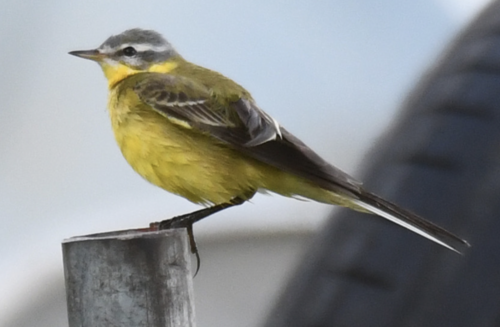 Lavandera Boyera
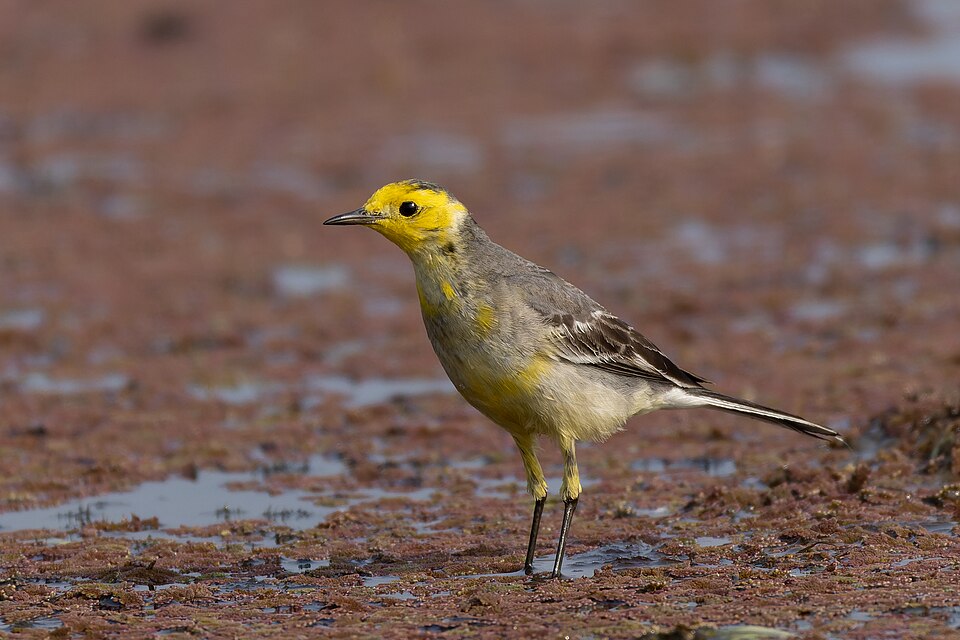 Lavandera Cetrina
En breve
La marca de campo más confiable entre la Lavandera Boyera y la Lavandera Cetrina es el patrón de la cabeza en plumaje de cría: los machos adultos de Lavandera Cetrina muestran una cabeza amarilla brillante con una nuca negra contrastante, mientras que los machos de Lavandera Boyera tienen colores de cabeza variables (a menudo azul, gris u oliva) pero nunca una cabeza completamente amarilla con una nuca negra. En plumajes no reproductivos e inmaduros, ambas especies pueden parecer deslavadas, pero la Lavandera Cetrina tiende a mostrar un amarillo más pálido y con un tono más limón y un supercilio pálido más fuerte. La estructura es similar, pero la Lavandera Boyera tiene la cola ligeramente más corta y en general es un poco más pequeña. Ambas especies son aves esbeltas y de cola larga que habitan en hábitats húmedos abiertos, pero la Lavandera Cetrina es mucho más rara en Europa occidental.
Consejos de identificación
- Patrón de cabeza del macho en cría: Los machos adultos de Lavandera Cetrina tienen una cabeza amarilla brillante con una nuca negra contrastante, única entre las lavanderas. Los machos de Lavandera Boyera nunca muestran esta combinación; su color de cabeza varía según la subespecie, pero nunca es completamente amarillo con una nuca negra. Esta es la marca más diagnóstica en primavera/verano.
- Patrón de cabeza no reproductivo y juvenil: La Lavandera Cetrina (todas las edades fuera de la cría) generalmente muestra un supercilio amarillento pálido o blanquecino y un patrón facial generalmente más limpio y frío. La Lavandera Boyera es más oliva o marrón por encima con menos contraste en la cara, y el supercilio es menos distintivo.
- Color de las partes inferiores: Ambas especies son amarillas por debajo en plumaje de cría, pero la Lavandera Cetrina es de un amarillo limón más frío, mientras que la Lavandera Boyera es más cálida y puede ser más variable (a veces casi blanquecina en juveniles).
- Color de las partes superiores: La Lavandera Cetrina es gris o negra por encima en machos en cría, mientras que la Lavandera Boyera es oliva o verdosa por encima. Este contraste es más evidente en los machos adultos.
- Longitud de la cola: La Lavandera Boyera tiene la cola más corta entre las lavanderas europeas, pero esta es una característica sutil y solo útil en comparación directa.
- Vistas de vuelo: No se describen diferencias distintivas en el patrón de vuelo o en las alas para inmaduros o adultos en las fuentes, así que concéntrate en la coloración de la cabeza y el cuerpo.
- Trampas de sexo y edad: Las hembras y los pájaros no reproductivos de ambas especies son más apagados y más similares, pero la Lavandera Cetrina tiende a retener un supercilio pálido y un aspecto más frío y limpio en general.
- Hábitat y distribución: En Europa occidental, la Lavandera Boyera es común en hábitats adecuados, mientras que la Lavandera Cetrina es un vagabundo raro. Si estás en Europa occidental y ves una lavandera en un prado húmedo, es mucho más probable que sea una Lavandera Boyera a menos que tengas pruebas sólidas en contrario.
- Confusión de subespecies: La Lavandera Boyera tiene muchas subespecies con patrones de cabeza variables (azul, gris, negro, oliva), pero ninguna coincide con la cabeza amarilla brillante con nuca negra de la Lavandera Cetrina.
- Voz: La Lavandera Boyera emite un llamado agudo 'jeet', pero esto no es un separador confiable de la Lavandera Cetrina según la información disponible.
- Impresión general: La Lavandera Cetrina a menudo parece más limpia, fría y más marcadamente marcada, especialmente en la cabeza y las partes inferiores, mientras que la Lavandera Boyera es más cálida y variable.
- Bandadas mixtas: Durante la migración, ambas especies pueden ocurrir juntas, pero siempre verifica el patrón único de la cabeza del macho en cría de Lavandera Cetrina.
- Zonas híbridas: La Lavandera Boyera tiene zonas híbridas con patrones de cabeza variables, pero incluso estas no muestran la cabeza completamente amarilla con nuca negra de la Lavandera Cetrina.
- Confusión juvenil: La Lavandera Boyera juvenil puede ser muy pálida por debajo y marrón por encima, pero carece del fuerte supercilio y los tonos fríos de la Lavandera Cetrina.
- Usa múltiples características: Cuando tengas dudas, combina el patrón de la cabeza, el color de las partes superiores y el contexto (distribución y hábitat) para la identificación más confiable.
Tamaño
Ambas especies son lavanderas esbeltas con colas largas. La Lavandera Boyera es ligeramente más corta en general (15–16 cm) en comparación con la Lavandera Cetrina (15.5–17 cm) [wikipedia]. La cola de la Lavandera Boyera es la más corta entre las lavanderas europeas, lo que puede ser una distinción sutil pero útil. En el campo, esta diferencia es menor y rara vez diagnóstica a menos que ambas especies estén una al lado de la otra.
Plumaje
-
Plumaje juvenil y no reproductivo: Ambas especies se vuelven más pálidas por debajo y en la cabeza fuera de la temporada de cría, con el amarillo reemplazado por tonos blanquecinos o pálidos. La Lavandera Boyera juvenil a menudo aparece blanquecina por debajo con oliva-marrón por encima, mientras que la Lavandera Cetrina juvenil también es pálida pero tiende a tener una apariencia más limpia y más lavada de limón y un supercilio pálido más distintivo. El patrón de las alas no se describe como un separador fuerte para ninguna de las especies a esta edad en las fuentes.
-
Machos adultos en cría: Los machos de Lavandera Boyera son oliva por encima y amarillos por debajo, con el color de la cabeza variando según la subespecie (azul, gris, oliva o negro, pero nunca completamente amarillo con una nuca negra). Los machos de Lavandera Cetrina son grises o negros por encima, amarillos brillantes por debajo y tienen una cabeza amarilla llamativa con una nuca negra, una característica única entre las lavanderas.
-
Hembras y aves no reproductivas: Ambas son más apagadas, pero las hembras de Lavandera Cetrina y las aves no reproductivas retienen un supercilio amarillento pálido y un aspecto generalmente más limpio y frío en comparación con los tonos más cálidos y oliváceos de la Lavandera Boyera.
Comportamiento
Ambas especies son insectívoras activas que se alimentan en el suelo en hábitats húmedos abiertos, moviendo constantemente sus colas. Su comportamiento es muy similar, y ambas pueden ser vistas corriendo o haciendo vuelos cortos sobre prados húmedos o pantanos. No se notan diferencias de comportamiento distintivas en las fuentes para la separación en el campo.
Hábitat
La Lavandera Boyera se reproduce ampliamente en Europa y Asia templadas, favoreciendo prados húmedos y campos abiertos cerca del agua. La Lavandera Cetrina se reproduce en el Paleártico central (incluyendo prados húmedos y tundra) y es un vagabundo raro en Europa occidental, donde es mucho menos probable que se encuentre. En Europa occidental, la Lavandera Boyera es la especie esperada; la Lavandera Cetrina es una rareza notable.
Voz
La Lavandera Boyera emite un llamado agudo 'jeet'. Las fuentes no proporcionan una descripción de llamada contrastante para la Lavandera Cetrina, por lo que las vocalizaciones no son diagnósticas de manera confiable según la información proporcionada.