

tricolored blackbird vs tawny-shouldered blackbird
Agelaius tricolor versus Agelaius humeralis
Jogue um quiz com tricolored blackbird e tawny-shouldered blackbird
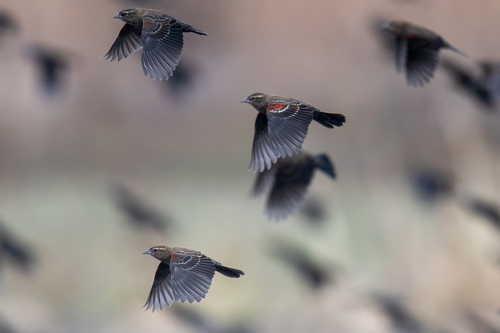 tricolored blackbird
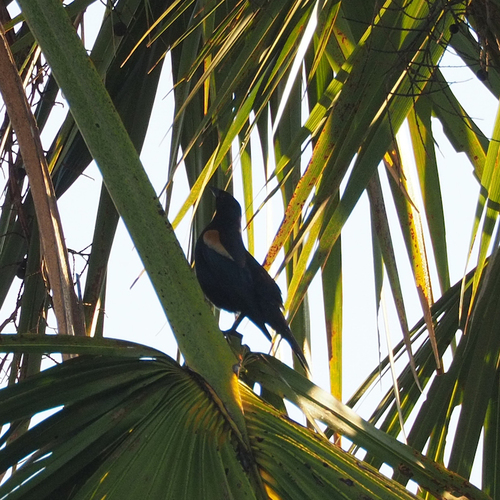 tawny-shouldered blackbird
Em resumo
A marca de campo mais confiável para separar o tricolored blackbird do tawny-shouldered blackbird é a cor e a extensão da mancha no ombro: o tricolored blackbird apresenta uma mancha no ombro vermelha e ousada (com branco abaixo) em machos adultos, enquanto o tawny-shouldered blackbird tem uma mancha no ombro menor, tawny (laranja-buff). Os juvenis de tawny-shouldered blackbirds não têm ou mostram muito pouco tawny na asa, o que pode causar confusão com jovens tricoloreds, mas o brilho geral, a cor do corpo e a distribuição são pistas fortes. O tricolored blackbird é limitado ao oeste da América do Norte (principalmente Califórnia), enquanto o tawny-shouldered é encontrado em Cuba, Hispaniola e raramente nas Florida Keys. Ambos são icterídeos de tamanho médio, mas o tawny-shouldered é ligeiramente menor e menos robusto. No campo, concentre-se na cor e no tamanho da mancha no ombro, no brilho geral e no contexto geográfico para a separação mais segura.
Dicas de identificação
- Cor e tamanho da mancha no ombro (adultos): Machos de tricolored blackbird têm uma mancha no ombro vermelha e ousada com uma borda inferior branca; o tawny-shouldered blackbird tem uma mancha menor, laranja-buff (tawny), às vezes com pontas amarelo-cremosas. Esta é a marca mais confiável para machos adultos.
- Padrão de asa juvenil/imaturo: Juvenis de tawny-shouldered blackbirds são pretos escuros com pouco ou nenhum tawny na asa, o que pode causar confusão com jovens tricoloreds. Nestas idades, procure por brilho geral e cor do corpo, bem como distribuição.
- Brilho: Machos adultos de tawny-shouldered blackbirds têm um leve brilho azuloso em sua plumagem preta, ausente no tricolored blackbird. As fêmeas de ambos são mais escuras, mas o brilho é uma marca útil em boa luz para machos adultos.
- Mancha no ombro de fêmeas/imaturos: Fêmeas de tawny-shouldered blackbirds têm menos tawny na asa do que os machos, e as coberturas medianas são parcialmente pretas. As fêmeas de tricoloreds também são mais opacas, mas não descritas em detalhes aqui; espere menos contraste e manchas no ombro menos vívidas nas fêmeas de ambas as espécies.
- Bico e estrutura: A subespécie A. h. scopulus de tawny-shouldered tem um bico mais fino e uma mancha tawny menor, mas a forma do bico não é fortemente diagnóstica entre indivíduos típicos.
- Tamanho e constituição: O tricolored blackbird é ligeiramente maior e mais robusto que o tawny-shouldered, mas isso é sutil e melhor utilizado em comparação direta ou com experiência.
- Distribuição: O tricolored blackbird é encontrado na Califórnia e em regiões adjacentes do Pacífico; o tawny-shouldered é caribenho (Cuba, Hispaniola), raramente nas Florida Keys. O contexto geográfico é frequentemente decisivo.
- Habitat: O tricolored blackbird prefere pântanos, campos agrícolas e silvados na Califórnia; o tawny-shouldered é encontrado em uma variedade de habitats abertos no Caribe. Se você estiver em um pântano na Califórnia, é muito mais provável que seja um tricolored.
- Tamanho do bando e comportamento: Tricolored blackbirds frequentemente formam enormes colônias densas, especialmente no Vale Central. O tawny-shouldered não é notado por tais mega-bandos.
- Diferenças sexuais: A fêmea de tawny-shouldered é mais escura e menos brilhante que o macho, com uma mancha tawny reduzida. As fêmeas de tricoloreds também são mais opacas que os machos, mas a diferença é menos bem descrita.
- Variação de subespécies: Esteja ciente de que A. h. scopulus (tawny-shouldered) tem uma mancha menor e um bico mais fino, o que pode tornar a marca no ombro menos óbvia.
- Vagância: Se você encontrar um blackbird com uma mancha tawny ou vermelha no ombro fora da faixa normal de qualquer uma das espécies (por exemplo, Florida, Oregon), verifique todas as marcas cuidadosamente e considere a vagância.
- Armadilhas de plumagem: Pássaros imaturos e fêmeas de ambas as espécies podem não ter a mancha clássica no ombro, então não confie apenas nesta característica em jovens pássaros. Use brilho, tamanho e distribuição como marcas de apoio.
- Íris, bico e pernas: Ambas as espécies têm olhos escuros, bicos pretos e pernas/pés pretos, então essas características não são úteis para separação.
- Voz: Nenhuma vocalização distintiva é fornecida nas notas; use marcas visuais para separação.
Tamanho
O tawny-shouldered blackbird é ligeiramente menor, medindo 19–22 cm de comprimento e pesando 34,5–38,3 g (fêmeas a machos) [wikipedia]. As medidas do tricolored blackbird não são especificadas aqui, mas é geralmente semelhante ao red-winged blackbird e, portanto, um pouco maior e mais pesado que o tawny-shouldered. Em comparação direta, espere que o tricolored pareça mais longo e robusto, especialmente em bandos. No entanto, o tamanho por si só raramente é diagnóstico, a menos que ambas as espécies estejam lado a lado.
Plumagem
Juvenis e imaturos de tawny-shouldered blackbirds são pretos escuros com mínimo ou nenhum tawny na asa, então pássaros jovens podem não ter a mancha clássica no ombro; isso pode causar confusão com imaturos tricoloreds, que também não têm o padrão completo de ombro adulto. Machos adultos de tricolored blackbirds têm uma mancha no ombro vermelha impressionante, contornada abaixo por branco, enquanto machos adultos de tawny-shouldered blackbirds têm uma mancha menor, laranja-buff (tawny) nas coberturas menores e medianas, com as coberturas medianas pontuadas de amarelo-cremoso. As fêmeas de tawny-shouldered são mais escuras no geral, com menos tawny e sem brilho azul, enquanto as fêmeas de tricoloreds também são mais opacas, mas não descritas em detalhes aqui. Ambas as espécies são, de outra forma, negras, mas os machos tricolored não têm o brilho azuloso visto nos machos tawny-shouldered. A mancha tawny no tawny-shouldered é sempre menor e mais limitada do que a mancha ousada e bicolor do tricolored. A subespécie A. h. scopulus (tawny-shouldered) tem uma mancha ainda menor e um bico mais fino.
Comportamento
Tricolored blackbirds são altamente coloniais, frequentemente formando grandes colônias de nidificação densas em pântanos ou campos agrícolas. Tawny-shouldered blackbirds não são descritos como coloniais na mesma medida. Ambas as espécies forrageiam em áreas abertas, mas os tricoloreds são mais propensos a serem vistos em bandos muito grandes, especialmente no Vale Central da Califórnia. O comportamento em voo e forrageio é, de outra forma, típico dos icterídeos e não é fortemente diagnóstico.
Habitat
O tricolored blackbird é restrito às regiões costeiras do Pacífico da América do Norte, especialmente a Califórnia, onde se reproduz em pântanos, campos agrícolas e às vezes em silvados. O tawny-shouldered blackbird é encontrado em Cuba, Haiti e possivelmente na República Dominicana, com rara vagância para as Florida Keys. A sobreposição de habitat é essencialmente impossível, exceto para vagantes raros. Se visto fora da Califórnia ou do Caribe, verifique a vagância, mas espere ver o tricolored no oeste e o tawny-shouldered no Caribe.
tricolored blackbird · tawny-shouldered blackbird · Minhas aves difíceis