

Motmot

サンショクハゴロモガラス 対 チャガタハゴロモガラス

Agelaius tricolor 対 Agelaius humeralis

サンショクハゴロモガラスとチャガタハゴロモガラスのクイズ
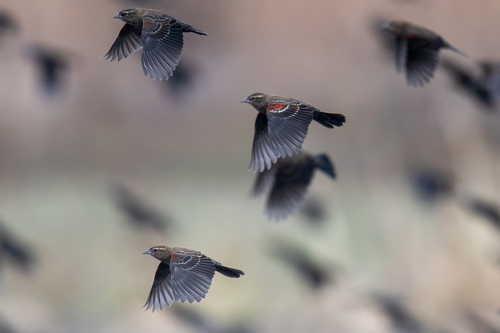
サンショクハゴロモガラス (Agelaius tricolor) サンショクハゴロモガラス
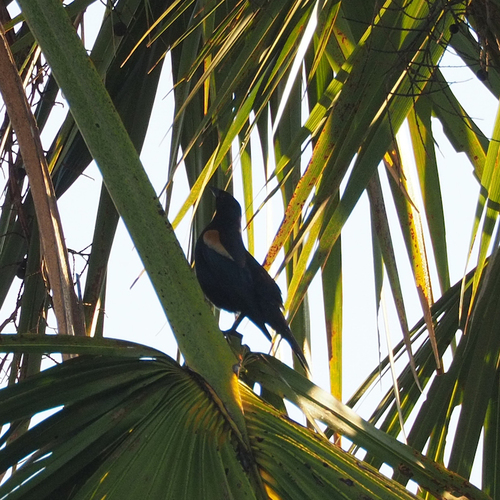
チャガタハゴロモガラス (Agelaius humeralis) チャガタハゴロモガラス

メディア

読み込み中…

要点

トリコロールハゴロモガラスとチャガタハゴロモガラスを区別する最も信頼できるフィールドマークは、肩のパッチの色と範囲です:トリコロールハゴロモガラスは成鳥のオスに鮮やかな赤(下に白)肩のパッチを示しますが、チャガタハゴロモガラスは小さく、黄褐色(オレンジバフ)の肩のパッチを持っています。幼鳥のチャガタハゴロモガラスは翼にほとんどまたは全く黄褐色がなく、若いトリコロールと混同される可能性がありますが、全体的な光沢、体の色、分布は強い手がかりです。トリコロールハゴロモガラスは北アメリカの西部(主にカリフォルニア)に限られ、チャガタハゴロモガラスはキューバ、ヒスパニョーラ、そしてまれにフロリダキーズに見られます。両者は中型のイケタリッドですが、チャガタハゴロモガラスはやや小さく、頑丈さに欠けます。フィールドでは、肩のパッチの色とサイズ、全体的な光沢、地理的文脈に注目して、最も確実な区別を行ってください。

識別のコツ

  1. 肩のパッチの色とサイズ(成鳥): トリコロールハゴロモガラスのオスは、白い下の境界を持つ鮮やかな赤の肩のパッチを持っています;チャガタハゴロモガラスは小さく、オレンジバフ(黄褐色)のパッチを持ち、時には黄クリーム色の先端があります。これは成鳥のオスにとって最も信頼できるマークです。
  2. 幼鳥/未成熟の翼のパターン: 幼鳥のチャガタハゴロモガラスは暗い黒で、翼にほとんどまたは全く黄褐色がなく、若いトリコロールと混同される可能性があります。この年齢では、全体的な光沢と体の色、分布を探してください。
  3. 光沢: 成鳥のオスのチャガタハゴロモガラスは、トリコロールハゴロモガラスにはないわずかな青みがかった光沢を持っています。両者の雌はより暗いですが、光沢は成鳥のオスにとって良い光の中での有用なマークです。
  4. 雌/未成熟の肩のパッチ: 雌のチャガタハゴロモガラスはオスよりも翼の黄褐色が少なく、中央の羽毛は部分的に黒です。雌のトリコロールもまた鈍いですが、ここでは詳細には説明されていません;両種の雌の肩のパッチは、コントラストが少なく、鮮やかさが少ないことが予想されます。
  5. くちばしと構造: 亜種A. h. scopulusのチャガタハゴロモガラスは、より細いくちばしと小さな黄褐色のパッチを持っていますが、典型的な個体間でくちばしの形は強く診断的ではありません。
  6. サイズと体格: トリコロールハゴロモガラスはチャガタハゴロモガラスよりもやや大きく、がっしりしていますが、これは微妙で、直接比較や経験に基づいて使用するのが最適です。
  7. 分布: トリコロールハゴロモガラスはカリフォルニアと隣接する太平洋地域に見られ、チャガタハゴロモガラスはカリブ海(キューバ、ヒスパニョーラ)、まれにフロリダキーズに見られます。地理的文脈はしばしば決定的です。
  8. 生息地: トリコロールハゴロモガラスはカリフォルニアの湿地、農業地帯、時には茨の中で繁殖することを好みます;チャガタハゴロモガラスはカリブ海のさまざまな開けた生息地に見られます。カリフォルニアの湿地にいる場合、トリコロールが圧倒的に可能性が高いです。
  9. 群れのサイズと行動: トリコロールハゴロモガラスはしばしば巨大で密なコロニーを形成し、特にセントラルバレーで見られます。チャガタハゴロモガラスはそのようなメガフロックで知られていません。
  10. 性差: 雌のチャガタハゴロモガラスはオスよりも暗く、光沢が少なく、黄褐色のパッチが減少しています。雌のトリコロールもまたオスより鈍いですが、差はあまり詳しく説明されていません。
  11. 亜種の変異: A. h. scopulus(チャガタハゴロモガラス)が小さなパッチと細いくちばしを持っていることに注意してください。これにより肩のマークが目立たなくなる可能性があります。
  12. 迷子: もし、通常の分布範囲外(例:フロリダ、オレゴン)で黄褐色または赤の肩のパッチを持つハゴロモガラスに出会った場合、すべてのマークを注意深く確認し、迷子の可能性を考慮してください。
  13. 羽毛の落とし穴: 両種の未熟な鳥や雌は、完全なクラシックな肩のパッチが欠けている場合があるため、若い鳥においてこの特徴だけに頼らないでください。光沢、サイズ、分布を補助的なマークとして使用してください。
  14. 虹彩、くちばし、脚: 両種は暗い目、黒いくちばし、黒い脚/足を持っているため、これらの特徴は区別には役立ちません。
  15. 声: ノートには区別される声は提供されていません;視覚的なマークを使用して区別してください。

大きさ

チャガタハゴロモガラスはやや小さく、全長19〜22 cm、体重34.5〜38.3 g(雌からオス)です [wikipedia]。トリコロールハゴロモガラスの測定値はここでは指定されていませんが、一般的にハゴロモガラスに似ているため、チャガタハゴロモガラスよりもやや大きく、重いです。直接比較では、トリコロールが特に群れの中で長くてがっしりして見えることを期待してください。しかし、サイズだけでは、両種が並んでいない限り、診断的であることはまれです。

羽色

幼鳥と未熟なチャガタハゴロモガラスは暗い黒で、翼に最小限または全く黄褐色がなく、若い鳥はクラシックな肩のパッチが欠けている可能性があります;これは、完全な成鳥の肩のパターンが欠けている未熟なトリコロールと混同される可能性があります。成鳥のオスのトリコロールハゴロモガラスは、下に白で縁取られた鮮やかな赤の肩のパッチを持っており、成鳥のオスのチャガタハゴロモガラスは、より小さく、オレンジバフ(黄褐色)のパッチを持ち、中央の羽毛は黄クリーム色の先端があります。雌のチャガタハゴロモガラスは全体的により暗く、黄褐色が少なく、青い光沢がありませんが、雌のトリコロールもまた鈍いですが、ここでは詳細には説明されていません。両種はそれ以外は黒っぽいですが、トリコロールのオスはチャガタハゴロモガラスのオスに見られる青みがかった光沢が欠けています。チャガタハゴロモガラスの黄褐色のパッチは、トリコロールの大胆で二色のパッチよりも常に小さく、限られています。亜種A. h. scopulus(チャガタハゴロモガラス)は、さらに小さなパッチと細いくちばしを持っています。

行動

トリコロールハゴロモガラスは非常にコロニアルで、湿地や農業地帯に大きく密な巣作りのコロニーを形成することがよくあります。チャガタハゴロモガラスは同じ程度のコロニアルとしては説明されていません。両種は開けた場所で餌を探しますが、トリコロールは特にカリフォルニアのセントラルバレーで非常に大きな群れで見られる可能性が高いです。飛行や餌探しの行動は、他のイケタリッドにとって典型的であり、強く診断的ではありません。

生息環境

トリコロールハゴロモガラスは北アメリカの太平洋沿岸地域、特にカリフォルニアに制限されており、湿地、農業地帯、時には茨の中で繁殖します。チャガタハゴロモガラスはキューバ、ハイチ、そしておそらくドミニカ共和国に見られ、フロリダキーズへのまれな迷子があります。生息地の重複は、まれな迷子を除いて基本的に不可能です。カリフォルニアまたはカリブ海以外で見られた場合は、迷子を確認してくださいが、西部ではトリコロール、カリブ海ではチャガタハゴロモガラスを期待してください。

より良い説明を送る

比較と同じ項目を使ってください。文章はすぐに公開されます。

The most reliable field mark to separate Tricolored Blackbird from Tawny-shouldered Blackbird is the color and extent of the shoulder patch: Tricolored Blackbird shows a bold red (with white below) shoulder patch in adult males, while Tawny-shouldered Blackbird has a smaller, tawny (orange-buff) shoulder patch. Juvenile Tawny-shouldered Blackbirds lack or show very little tawny on the wing, which can cause confusion with young Tricoloreds, but the overall gloss, body color, and range are strong clues. Tricolored Blackbird is limited to western North America (mainly California), while Tawny-shouldered is found in Cuba, Hispaniola, and rarely the Florida Keys. Both are medium-sized icterids, but Tawny-shouldered is slightly smaller and less robust. In the field, focus on the color and size of the shoulder patch, overall gloss, and geographic context for the surest separation.

  1. Shoulder patch color and size (adults): Tricolored Blackbird males have a bold red shoulder patch with a white lower border; Tawny-shouldered Blackbird has a smaller, orange-buff (tawny) patch, sometimes with yellowish-cream tips. This is the single most reliable mark for adult males.
  2. Juvenile/immature wing pattern: Juvenile Tawny-shouldered Blackbirds are dusky black with little or no tawny on the wing, which can cause confusion with young Tricoloreds. In these ages, look for overall gloss and body color, as well as range.
  3. Gloss: Adult male Tawny-shouldered Blackbirds have a slight bluish gloss to their black plumage, absent in Tricolored Blackbird. Females of both are duskier, but the gloss is a useful mark in good light for adult males.
  4. Female/immature shoulder patch: Female Tawny-shouldered Blackbirds have less tawny on the wing than males, and the median coverts are partly black. Female Tricoloreds are also duller but not described in detail here; expect less contrast and less vivid shoulder patches in both species' females.
  5. Bill and structure: Subspecies A. h. scopulus of Tawny-shouldered has a thinner bill and smaller tawny patch, but bill shape is not strongly diagnostic between typical individuals.
  6. Size and build: Tricolored Blackbird is slightly larger and bulkier than Tawny-shouldered, but this is subtle and best used in direct comparison or with experience.
  7. Range: Tricolored Blackbird is found in California and adjacent Pacific regions; Tawny-shouldered is Caribbean (Cuba, Hispaniola), rarely Florida Keys. Geographic context is often decisive.
  8. Habitat: Tricolored Blackbird prefers marshes, agricultural fields, and brambles in California; Tawny-shouldered is found in a variety of open habitats in the Caribbean. If you are in a wetland in California, Tricolored is vastly more likely.
  9. Flock size and behavior: Tricolored Blackbirds often form huge, dense colonies, especially in the Central Valley. Tawny-shouldered is not noted for such mega-flocks.
  10. Sex differences: Female Tawny-shouldered is duskier and less glossy than male, with a reduced tawny patch. Female Tricoloreds are also duller than males, but the difference is less well described.
  11. Subspecies variation: Be aware that A. h. scopulus (Tawny-shouldered) has a smaller patch and thinner bill, which may make the shoulder mark less obvious.
  12. Vagrancy: If you encounter a blackbird with a tawny or red shoulder patch outside the normal range of either species (e.g., Florida, Oregon), check all marks carefully and consider vagrancy.
  13. Plumage pitfalls: Immature and female birds of both species may lack the full, classic shoulder patch, so do not rely solely on this feature in young birds. Use gloss, size, and range as supporting marks.
  14. Iris, bill, and legs: Both species have dark eyes, black bills, and black legs/feet, so these features are not helpful for separation.
  15. Voice: No distinguishing vocalizations are provided in the notes; use visual marks for separation.

Tawny-shouldered Blackbird is slightly smaller, measuring 19–22 cm in length and weighing 34.5–38.3 g (females to males) [wikipedia]. Tricolored Blackbird's measurements are not specified here, but it is generally similar to Red-winged Blackbird and thus a bit larger and heavier than Tawny-shouldered. In direct comparison, expect Tricolored to look longer and bulkier, especially in flocks. However, size alone is rarely diagnostic unless both species are side by side.

Juvenile and immature Tawny-shouldered Blackbirds are dusky black with minimal or no tawny on the wing, so young birds may lack the classic shoulder patch; this can cause confusion with immature Tricoloreds, which also lack the full adult shoulder pattern. Adult male Tricolored Blackbirds have a striking red shoulder patch bordered below by white, while adult male Tawny-shouldered Blackbirds have a smaller, orange-buff (tawny) patch on the lesser and median coverts, with the median coverts tipped yellowish-cream. Female Tawny-shouldered are duskier overall, with less tawny and no blue gloss, while female Tricoloreds are also duller but not described in detail here. Both species are otherwise blackish, but Tricolored males lack the bluish gloss seen in male Tawny-shouldered. The tawny patch on Tawny-shouldered is always smaller and more limited than the bold, two-toned patch of Tricolored. Subspecies A. h. scopulus (Tawny-shouldered) has an even smaller patch and thinner bill.

Tricolored Blackbirds are highly colonial, often forming large, dense nesting colonies in marshes or agricultural fields. Tawny-shouldered Blackbirds are not described as colonial to the same degree. Both species forage in open areas, but Tricoloreds are more likely to be seen in very large flocks, especially in California's Central Valley. Behavior in flight and foraging is otherwise typical for icterids and not strongly diagnostic.

Tricolored Blackbird is restricted to the Pacific coastal regions of North America, especially California, where it breeds in marshes, agricultural fields, and sometimes in brambles. Tawny-shouldered Blackbird is found in Cuba, Haiti, and possibly the Dominican Republic, with rare vagrancy to the Florida Keys. Habitat overlap is essentially impossible except for rare vagrants. If seen outside California or the Caribbean, check for vagrancy but expect Tricolored in the west and Tawny-shouldered in the Caribbean.

変更を破棄しますか?

保存していない編集があります。今離れると失われます。

サンショクハゴロモガラス · チャガタハゴロモガラス · 苦手な鳥