

Tricolored Blackbird vs Tawny-shouldered Blackbird
Agelaius tricolor contro Agelaius humeralis
Fai un quiz con Tricolored Blackbird e Tawny-shouldered Blackbird
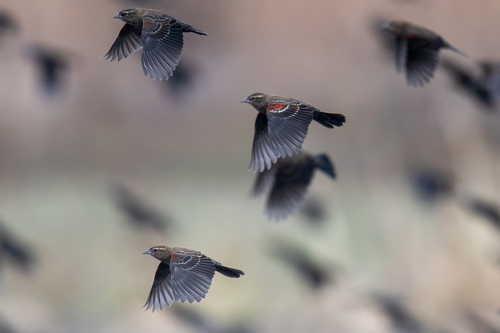 Tricolored Blackbird
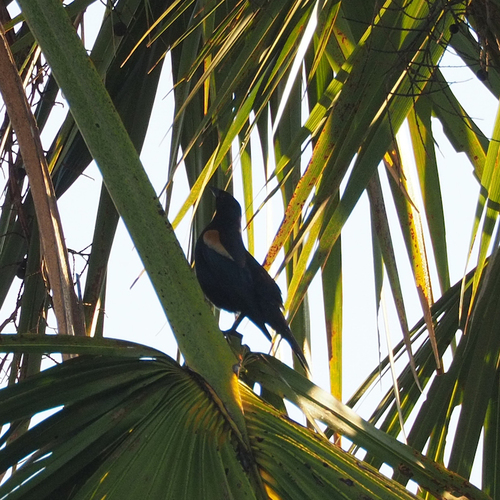 Tawny-shouldered Blackbird
In breve
Il segno di campo più affidabile per separare il Tricolored Blackbird dal Tawny-shouldered Blackbird è il colore e l'estensione della macchia sulla spalla: il Tricolored Blackbird mostra una macchia sulla spalla rossa audace (con bianco sotto) nei maschi adulti, mentre il Tawny-shouldered Blackbird ha una macchia sulla spalla più piccola, color tawny (arancio-buff). I giovani Tawny-shouldered Blackbirds mancano o mostrano molto poco tawny sull'ala, il che può causare confusione con i giovani Tricolored, ma la lucentezza generale, il colore del corpo e l'areale sono indizi forti. Il Tricolored Blackbird è limitato all'America del Nord occidentale (principalmente California), mentre il Tawny-shouldered si trova a Cuba, Hispaniola e raramente nelle Florida Keys. Entrambi sono icteridi di taglia media, ma il Tawny-shouldered è leggermente più piccolo e meno robusto. Sul campo, concentrati sul colore e sulla dimensione della macchia sulla spalla, sulla lucentezza generale e sul contesto geografico per la separazione più sicura.
Consigli di identificazione
- Colore e dimensione della macchia sulla spalla (adulti): I maschi del Tricolored Blackbird hanno una macchia sulla spalla rossa audace con un bordo inferiore bianco; il Tawny-shouldered Blackbird ha una macchia più piccola, color arancio-buff (tawny), a volte con punte giallo-crema. Questo è il segno più affidabile per i maschi adulti.
- Schema dell'ala dei giovani/immaturi: I giovani Tawny-shouldered Blackbirds sono neri scuri con poco o nessun tawny sull'ala, il che può causare confusione con i giovani Tricolored. In queste età, cerca la lucentezza generale e il colore del corpo, così come l'areale.
- Lucentezza: I maschi adulti Tawny-shouldered Blackbirds hanno una leggera lucentezza blu sul loro piumaggio nero, assente nel Tricolored Blackbird. Le femmine di entrambi sono più scure, ma la lucentezza è un segno utile in buona luce per i maschi adulti.
- Macchia sulla spalla delle femmine/immaturi: Le femmine di Tawny-shouldered Blackbirds hanno meno tawny sull'ala rispetto ai maschi, e le copritrici mediane sono parzialmente nere. Le femmine di Tricolored sono anch'esse più opache ma non descritte in dettaglio qui; aspettati meno contrasto e meno vivaci macchie sulla spalla nelle femmine di entrambe le specie.
- Becco e struttura: La sottospecie A. h. scopulus del Tawny-shouldered ha un becco più sottile e una macchia tawny più piccola, ma la forma del becco non è fortemente diagnostica tra individui tipici.
- Dimensione e corporatura: Il Tricolored Blackbird è leggermente più grande e massiccio rispetto al Tawny-shouldered, ma questo è sottile e meglio utilizzato in confronto diretto o con esperienza.
- Areale: Il Tricolored Blackbird si trova in California e nelle regioni pacifiche adiacenti; il Tawny-shouldered è caraibico (Cuba, Hispaniola), raramente nelle Florida Keys. Il contesto geografico è spesso decisivo.
- Habitat: Il Tricolored Blackbird preferisce le paludi, i campi agricoli e le rovi in California; il Tawny-shouldered si trova in una varietà di habitat aperti nei Caraibi. Se sei in un'area umida in California, il Tricolored è di gran lunga più probabile.
- Dimensione del gruppo e comportamento: I Tricolored Blackbirds formano spesso enormi colonie dense, specialmente nella Central Valley. Il Tawny-shouldered non è noto per tali mega-greggi.
- Differenze sessuali: La femmina Tawny-shouldered è più scura e meno lucida del maschio, con una macchia tawny ridotta. Le femmine di Tricolored sono anch'esse più opache rispetto ai maschi, ma la differenza è meno ben descritta.
- Variazione delle sottospecie: Tieni presente che A. h. scopulus (Tawny-shouldered) ha una macchia più piccola e un becco più sottile, il che può rendere il segno sulla spalla meno ovvio.
- Vagabondaggio: Se incontri un blackbird con una macchia sulla spalla tawny o rossa al di fuori dell'areale normale di entrambe le specie (ad esempio, Florida, Oregon), controlla tutti i segni con attenzione e considera il vagabondaggio.
- Trappole del piumaggio: Gli uccelli immaturi e femminili di entrambe le specie possono mancare della classica macchia sulla spalla, quindi non fare affidamento solo su questa caratteristica negli uccelli giovani. Usa lucentezza, dimensione e areale come segni di supporto.
- Iride, becco e zampe: Entrambe le specie hanno occhi scuri, becchi neri e zampe/piedi neri, quindi queste caratteristiche non sono utili per la separazione.
- Voce: Non sono fornite vocalizzazioni distintive nelle note; usa i segni visivi per la separazione.
Taglia
Il Tawny-shouldered Blackbird è leggermente più piccolo, misurando 19–22 cm di lunghezza e pesando 34.5–38.3 g (femmine rispetto ai maschi) [wikipedia]. Le misure del Tricolored Blackbird non sono specificate qui, ma è generalmente simile al Red-winged Blackbird e quindi un po' più grande e pesante del Tawny-shouldered. In confronto diretto, aspettati che il Tricolored appaia più lungo e massiccio, specialmente nei gruppi. Tuttavia, la dimensione da sola è raramente diagnostica a meno che entrambe le specie non siano affiancate.
Piumaggio
I giovani e immaturi Tawny-shouldered Blackbirds sono neri scuri con minimo o nessun tawny sull'ala, quindi gli uccelli giovani possono mancare della classica macchia sulla spalla; questo può causare confusione con i Tricolored immaturi, che mancano anch'essi del pieno schema della spalla adulto. I maschi adulti di Tricolored Blackbirds hanno una macchia sulla spalla rossa sorprendente bordata sotto da bianco, mentre i maschi adulti di Tawny-shouldered Blackbirds hanno una macchia più piccola, color arancio-buff (tawny) sulle copritrici minori e mediane, con le copritrici mediane punteggiate di giallo-crema. Le femmine di Tawny-shouldered sono complessivamente più scure, con meno tawny e senza lucentezza blu, mentre le femmine di Tricolored sono anch'esse più opache ma non descritte in dettaglio qui. Entrambe le specie sono altrimenti nere, ma i maschi Tricolored mancano della lucentezza blu che si osserva nei maschi Tawny-shouldered. La macchia tawny sul Tawny-shouldered è sempre più piccola e più limitata rispetto alla macchia audace e bicolore del Tricolored. La sottospecie A. h. scopulus (Tawny-shouldered) ha una macchia ancora più piccola e un becco più sottile.
Comportamento
I Tricolored Blackbirds sono altamente coloniali, formando spesso grandi e dense colonie di nidificazione in paludi o campi agricoli. I Tawny-shouldered Blackbirds non sono descritti come coloniali nella stessa misura. Entrambe le specie si nutrono in aree aperte, ma i Tricolored sono più propensi a essere visti in gruppi molto grandi, specialmente nella Central Valley della California. Il comportamento in volo e durante la ricerca di cibo è altrimenti tipico per gli icteridi e non fortemente diagnostico.
Habitat
Il Tricolored Blackbird è ristretto alle regioni costiere del Pacifico dell'America del Nord, specialmente in California, dove nidifica in paludi, campi agricoli e talvolta in rovi. Il Tawny-shouldered Blackbird si trova a Cuba, Haiti e possibilmente nella Repubblica Dominicana, con rare incursioni nelle Florida Keys. L'overlap degli habitat è essenzialmente impossibile tranne che per rari vagabondi. Se visto al di fuori della California o dei Caraibi, controlla per vagabondaggio ma aspettati il Tricolored a ovest e il Tawny-shouldered nei Caraibi.
Tricolored Blackbird · Tawny-shouldered Blackbird · I miei uccelli difficili