

slender-billed starling vs chestnut-winged starling
Onychognathus tenuirostris versus Onychognathus fulgidus
Jogue um quiz com slender-billed starling e chestnut-winged starling
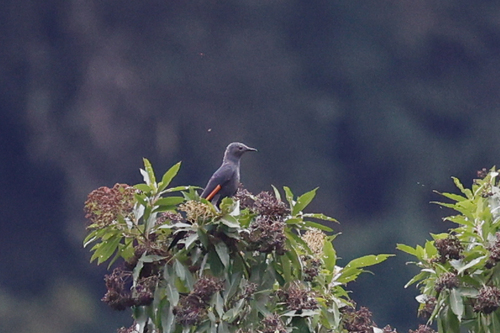 slender-billed starling
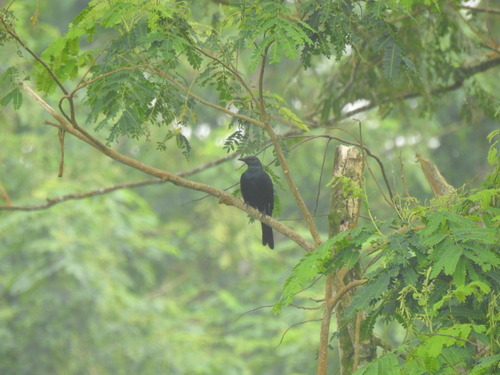 chestnut-winged starling
Em resumo
A maneira mais confiável de separar o slender-billed starling do chestnut-winged starling é focando na coloração das asas em voo: o chestnut-winged starling exibe painéis de castanho óbvio nas asas, enquanto o slender-billed starling não possui essa característica. Se você ver um estorninho com asas escuras e simples, é provável que seja um slender-billed; se as asas piscarem em ruivo ou castanho, é um chestnut-winged. A estrutura e o habitat também ajudam: o slender-billed é mais esguio, com um bico mais longo e fino, e é encontrado nas terras altas da África Oriental, enquanto o chestnut-winged é mais robusto e restrito à floresta tropical da África Ocidental e Central. Ambas as espécies são estorninhos do gênero Onychognathus, então cuidado com a forma geral semelhante e a plumagem escura à distância.
Dicas de identificação
- Painéis de asa castanhos: O chestnut-winged starling sempre mostra painéis ricos de castanho ou ruivo nas asas, mais óbvios em voo, mas também visíveis quando empoleirados com as asas parcialmente abertas. O slender-billed starling nunca mostra isso; suas asas são uniformemente escuras. Esta é a marca de campo mais confiável em todas as idades.
- Estrutura geral: O slender-billed starling é notavelmente esguio, com um bico longo e fino, dando-lhe uma aparência mais alongada. O chestnut-winged é mais robusto, com um bico proporcionalmente mais curto. Use isso quando você tiver boas vistas do bico e da forma do corpo.
- Forma do bico: O bico do slender-billed é mais longo e mais fino, muitas vezes parecendo quase curvado. O bico do chestnut-winged é mais curto e mais robusto. Isso pode ser difícil de julgar à distância ou em luz fraca.
- Tom da plumagem: Ambos são escuros em geral, mas o chestnut-winged pode parecer ligeiramente mais brilhante ou com um brilho arroxeado, especialmente em boa luz. O slender-billed é mais uniformemente escuro ou negróide.
- Vistas em voo: Em voo, os painéis de asa castanhos do chestnut-winged piscam distintamente, enquanto as asas do slender-billed permanecem simples e escuras. Isso é especialmente útil para bandos ou aves voando acima.
- Vistas empoleiradas: Se as asas estiverem dobradas, o castanho pode estar parcialmente escondido no chestnut-winged, mas procure qualquer indício de ruivo nas bordas das asas. O slender-billed não mostrará essa cor.
- Contexto de habitat: Nas terras altas da África Oriental ou em regiões montanhosas, o slender-billed é esperado. Na floresta tropical de baixa altitude da África Ocidental/Central, o chestnut-winged é o padrão. Se você estiver fora da zona da floresta tropical, o chestnut-winged é muito improvável.
- Distribuição: Verifique sua localização. O slender-billed não ocorre na floresta tropical da África Ocidental, e o chestnut-winged está ausente das terras altas da África Oriental.
- Composição do bando: Ambas as espécies podem se misturar com outros estorninhos do gênero Onychognathus. Se você ver bandos mistos, procure os painéis de asa castanhos para identificar o chestnut-winged.
- Diferenças de sexo/idade: Nenhum dimorfismo sexual forte ou marcas específicas de idade são descritas nas fontes para qualquer uma das espécies, então use o painel de asa e a estrutura como suas principais pistas.
- Voz: Não descrita nas fontes; não confie em vocalizações para separação, a menos que você tenha experiência local.
- Armadilhas de iluminação: Em luz fraca, o castanho do chestnut-winged pode parecer opaco ou ser perdido; sempre tente ver as aves em boa luz ou em voo para confirmação.
- Risco de confusão: À distância, ambos podem parecer estorninhos escuros genéricos. Somente o painel de asa castanho é verdadeiramente diagnóstico.
- Estação: Nenhuma mudança sazonal na plumagem é notada, então essas marcas funcionam durante todo o ano.
- Quando em dúvida: Se você não consegue ver a cor da asa e não tem certeza da estrutura, use o habitat e a distribuição como suas pistas de backup.
Tamanho
Comparações diretas de tamanho não estão disponíveis nas fontes fornecidas, mas ambas as espécies são estorninhos de tamanho médio típicos do gênero Onychognathus. O slender-billed starling é descrito como esguio e de bico longo, sugerindo uma aparência mais alongada, enquanto o chestnut-winged starling é provavelmente mais robusto. No campo, o tamanho sozinho não é um separador confiável entre esses dois, a menos que vistos lado a lado.
Plumagem
- Plumagem juvenil/imatura: Nenhum detalhe específico é dado para padrões de asas ou corpo específicos de idade em qualquer uma das espécies, mas a principal diferença em todas as idades é a coloração das asas em voo. O chestnut-winged starling de todas as idades mostra painéis proeminentes de castanho nas asas, visíveis tanto empoleirados quanto especialmente em voo. O slender-billed starling não possui qualquer ruivo ou castanho nas asas, aparecendo uniformemente escuro.
- Plumagem adulta: Ambos são estorninhos escuros em geral, mas o chestnut-winged sempre mostra castanho nas asas, enquanto o slender-billed é mais simples. Nenhuma diferença sazonal ou baseada em sexo é notada nas fontes.
Comportamento
Diferenças comportamentais não são detalhadas nas fontes. Ambas as espécies provavelmente se comportam de maneira semelhante a outros estorninhos do gênero Onychognathus, frequentemente vistos em bandos e voando com batidas de asas fortes e diretas. Qualquer separação comportamental deve ser considerada não confiável sem mais informações.
Habitat
O habitat é uma pista de apoio forte. O slender-billed starling é encontrado em regiões montanhosas e de alta altitude da África Oriental (incluindo Etiópia, Quênia, Tanzânia, Uganda, Ruanda, Burundi, Maláui, Zâmbia e leste da RDC), frequentemente em áreas abertas ou levemente arborizadas. O chestnut-winged starling é restrito ao cinturão da floresta tropical africana (África Ocidental e Central), onde é amplamente distribuído. Se você estiver em uma densa floresta tropical a oeste do Vale do Rift, o chestnut-winged é muito mais provável; em áreas montanhosas abertas da África Oriental, espere pelo slender-billed.
slender-billed starling · chestnut-winged starling · Minhas aves difíceis