

Kaneelvleugelspreeuw vs Kastanjevleugelspreeuw
Onychognathus tenuirostris versus Onychognathus fulgidus
Speel een quiz met Kaneelvleugelspreeuw en Kastanjevleugelspreeuw
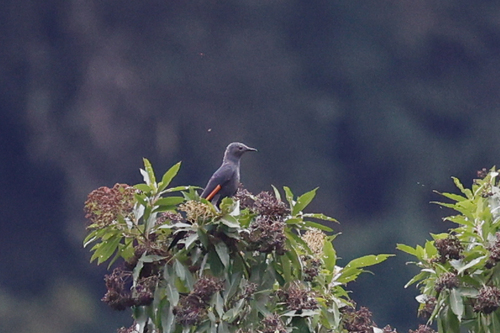 Kaneelvleugelspreeuw
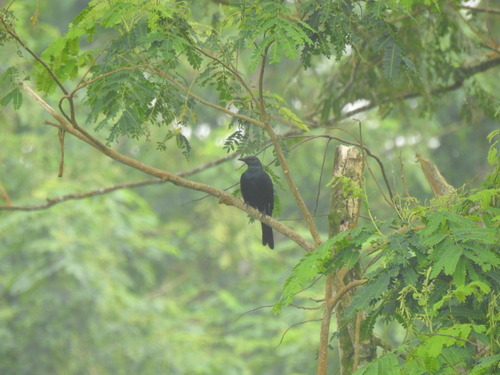 Kastanjevleugelspreeuw
Kort gezegd
De meest betrouwbare manier om Kaneelvleugelspreeuw van Kastanjevleugelspreeuw te scheiden, is door te focussen op hun vleugelkleuring in de vlucht: Kastanjevleugelspreeuw toont duidelijke kastanjebruine panelen op de vleugels, terwijl Kaneelvleugelspreeuw deze eigenschap mist. Als je een spreeuw ziet met effen donkere vleugels, is het waarschijnlijk een Kaneelvleugel; als de vleugels roestkleurig of kastanjebruin flitsen, is het een Kastanjevleugel. Structuur en habitat helpen ook: Kaneelvleugel is slanker met een langere, dunnere snavel en komt voor in de hooglanden van Oost-Afrika, terwijl Kastanjevleugel robuuster is en beperkt tot de regenwouden van West- en Centraal-Afrika. Beide soorten zijn Onychognathus spreeuwen, dus wees voorzichtig met de vergelijkbare algehele vorm en donkere verenkleed op afstand.
Herkenningstips
- Kastanjevleugel panelen: Kastanjevleugelspreeuw toont altijd rijke kastanjebruine of roestkleurige panelen op de vleugels, het meest opvallend in de vlucht, maar ook zichtbaar wanneer hij zit met gedeeltelijk geopende vleugels. Kaneelvleugelspreeuw toont dit nooit; zijn vleugels zijn uniform donker. Dit is het meest betrouwbare veldkenmerk in alle leeftijden.
- Algehele structuur: Kaneelvleugelspreeuw is opmerkelijk slank met een lange, dunne snavel, wat hem een meer langwerpige uitstraling geeft. Kastanjevleugel is robuuster met een proportioneel kortere snavel. Gebruik dit wanneer je goede zicht hebt op de snavel en lichaamsvorm.
- Snavelvorm: De snavel van Kaneelvleugel is langer en fijner, vaak bijna gebogen. De snavel van Kastanjevleugel is korter en steviger. Dit kan moeilijk te beoordelen zijn op afstand of bij slecht licht.
- Verenkleur: Beide zijn over het algemeen donker, maar Kastanjevleugel kan iets glanzender of met een paarse glans verschijnen, vooral bij goed licht. Kaneelvleugel is meer uniform donker of zwartachtig.
- Vluchtzicht: In de vlucht flitsen de kastanjebruine vleugelpanelen van Kastanjevleugel duidelijk, terwijl de vleugels van Kaneelvleugel effen en donker blijven. Dit is vooral nuttig voor groepen of vogels die boven je vliegen.
- Zittende zicht: Als de vleugels zijn gevouwen, kan de kastanjebruine kleur gedeeltelijk verborgen zijn bij Kastanjevleugel, maar kijk naar enige hint van roestkleur aan de vleugelranden. Kaneelvleugel zal deze kleur niet tonen.
- Habitatcontext: In de hooglanden of bergachtige gebieden van Oost-Afrika wordt Kaneelvleugel verwacht. In het laagland regenwoud van West/Centraal-Afrika is Kastanjevleugel de standaard. Als je buiten de regenwoudzone bent, is Kastanjevleugel zeer onwaarschijnlijk.
- Verspreiding: Controleer je locatie. Kaneelvleugel komt niet voor in het regenwoud van West-Afrika, en Kastanjevleugel is afwezig in de hooglanden van Oost-Afrika.
- Groepssamenstelling: Beide soorten kunnen zich mengen met andere Onychognathus spreeuwen. Als je gemengde groepen ziet, let dan op de kastanjebruine vleugelpanelen om Kastanjevleugel eruit te pikken.
- Geslacht/leeftijd verschillen: Er zijn geen sterke seksuele dimorfismen of leeftijdspecifieke kenmerken beschreven in de bronnen voor beide soorten, dus gebruik het vleugelpaneel en de structuur als je belangrijkste aanwijzingen.
- Stem: Niet beschreven in de bronnen; vertrouw niet op vocalisaties voor scheiding tenzij je lokale ervaring hebt.
- Verlichtingsvalkuilen: Bij slecht licht kan de kastanjebruine kleur van Kastanjevleugel dof lijken of gemist worden; probeer altijd vogels in goed licht of in de vlucht te zien voor bevestiging.
- Verwarringsrisico: Op afstand kunnen beide eruitzien als generieke donkere spreeuwen. Alleen het kastanjebruine vleugelpaneel is echt diagnostisch.
- Seizoen: Er zijn geen seizoensgebonden verenkleedveranderingen opgemerkt, dus deze kenmerken werken het hele jaar door.
- Bij twijfel: Als je de vleugelkleur niet kunt zien en niet zeker bent van de structuur, gebruik dan habitat en verspreiding als je back-up aanwijzingen.
Grootte
Directe groottevergelijkingen zijn niet beschikbaar in de verstrekte bronnen, maar beide soorten zijn middelgrote spreeuwen die typisch zijn voor het geslacht Onychognathus. Kaneelvleugelspreeuw wordt beschreven als slank en met een lange snavel, wat wijst op een meer langwerpige uitstraling, terwijl Kastanjevleugelspreeuw waarschijnlijk robuuster is. In het veld is grootte alleen geen betrouwbare scheiding tussen deze twee, tenzij ze naast elkaar worden gezien.
Verenkleed
- Jong/immatuur verenkleed: Er zijn geen specifieke details gegeven voor leeftijdspecifieke vleugel- of lichaamspatronen in beide soorten, maar het belangrijkste verschil in alle leeftijden is de vleugelkleuring in de vlucht. Kastanjevleugelspreeuw van alle leeftijden toont prominente kastanjebruine panelen op de vleugels, zichtbaar zowel zittend als vooral in de vlucht. Kaneelvleugelspreeuw mist enige roestkleur of kastanjebruin in de vleugels, en verschijnt uniform donker.
- Volwassen verenkleed: Beide zijn over het algemeen donkere spreeuwen, maar Kastanjevleugel toont altijd kastanjebruin in de vleugels, terwijl Kaneelvleugel eenvoudiger is. Er zijn geen verdere seizoensgebonden of geslachtsgebonden verschillen opgemerkt in de bronnen.
Gedrag
Gedragsverschillen zijn niet gedetailleerd in de bronnen. Beide soorten gedragen zich waarschijnlijk vergelijkbaar met andere Onychognathus spreeuwen, vaak gezien in groepen en vliegend met sterke, directe vleugelslagen. Elke gedragsafscheiding moet als onbetrouwbaar worden beschouwd zonder verdere informatie.
Habitat
Habitat is een sterke ondersteunende aanwijzing. Kaneelvleugelspreeuw wordt gevonden in hoogland- en bergachtige gebieden van Oost-Afrika (inclusief Ethiopië, Kenia, Tanzania, Oeganda, Rwanda, Burundi, Malawi, Zambia en oostelijk DRC), vaak in open of licht beboste gebieden. Kastanjevleugelspreeuw is beperkt tot de Afrikaanse tropische regenwoudgordel (West- en Centraal-Afrika), waar hij wijdverspreid is. Als je in dicht regenwoud ten westen van de Riftvallei bent, is Kastanjevleugel veel waarschijnlijker; in open hooglandgebied van Oost-Afrika, verwacht Kaneelvleugel.
Kaneelvleugelspreeuw · Kastanjevleugelspreeuw · Mijn lastige vogels