

Slender-billed Starling vs Chestnut-winged Starling
Onychognathus tenuirostris contro Onychognathus fulgidus
Fai un quiz con Slender-billed Starling e Chestnut-winged Starling
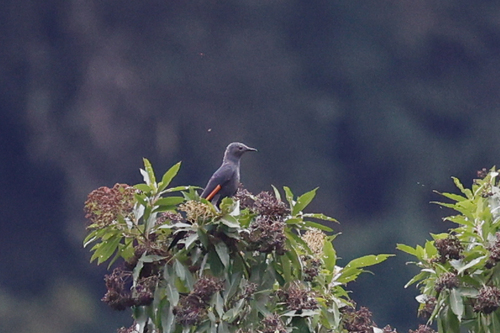 Slender-billed Starling
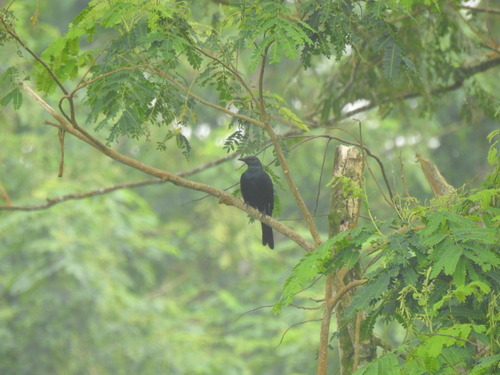 Chestnut-winged Starling
In breve
Il modo più affidabile per separare il Slender-billed Starling dal Chestnut-winged Starling è concentrarsi sulla colorazione delle ali in volo: il Chestnut-winged Starling mostra evidenti pannelli castani sulle ali, mentre il Slender-billed Starling manca di questa caratteristica. Se vedi uno storno con ali scure e uniformi, è probabile che sia un Slender-billed; se le ali lampeggiano di ruggine o castano, è un Chestnut-winged. Anche la struttura e l'habitat aiutano: il Slender-billed è più snello con un becco più lungo e sottile ed è trovato negli altopiani dell'Africa orientale, mentre il Chestnut-winged è più robusto e limitato alla foresta pluviale dell'Africa occidentale e centrale. Entrambe le specie sono storni Onychognathus, quindi fai attenzione alla forma generale simile e al piumaggio scuro da lontano.
Consigli di identificazione
- Pannelli di ali castani: Il Chestnut-winged Starling mostra sempre pannelli castani o ruggine ricchi sulle ali, più evidenti in volo ma anche visibili quando è appollaiato con le ali parzialmente aperte. Il Slender-billed Starling non mostra mai questo; le sue ali sono uniformemente scure. Questo è il segno di campo più affidabile in tutte le età.
- Struttura generale: Il Slender-billed Starling è notevolmente snello con un becco lungo e sottile, conferendogli un aspetto più allungato. Il Chestnut-winged è più robusto con un becco proporzionalmente più corto. Usa questo quando hai buone viste del becco e della forma del corpo.
- Forma del becco: Il becco del Slender-billed è più lungo e più fine, spesso apparendo quasi ricurvo. Il becco del Chestnut-winged è più corto e più robusto. Questo può essere difficile da giudicare da lontano o in scarsa illuminazione.
- Tono del piumaggio: Entrambi sono scuri nel complesso, ma il Chestnut-winged può apparire leggermente più lucido o con una lucentezza purpurea, specialmente in buona luce. Il Slender-billed è più uniformemente scuro o nerastro.
- Viste in volo: In volo, i pannelli castani del Chestnut-winged lampeggiano distintamente, mentre le ali del Slender-billed rimangono semplici e scure. Questo è particolarmente utile per stormi o uccelli che volano sopra.
- Viste da appollaiato: Se le ali sono ripiegate, il castano può essere parzialmente nascosto nel Chestnut-winged, ma cerca qualsiasi accenno di ruggine ai bordi delle ali. Il Slender-billed non mostrerà questo colore.
- Contesto dell'habitat: Negli altopiani dell'Africa orientale o nelle regioni montane, ci si aspetta di trovare il Slender-billed. Nella foresta pluviale di pianura dell'Africa occidentale/centrale, il Chestnut-winged è il default. Se sei al di fuori della zona della foresta pluviale, è molto improbabile trovare il Chestnut-winged.
- Distribuzione: Controlla la tua posizione. Il Slender-billed non si trova nella foresta pluviale dell'Africa occidentale, e il Chestnut-winged è assente dagli altopiani dell'Africa orientale.
- Composizione degli stormi: Entrambe le specie possono unirsi ad altri storni Onychognathus. Se vedi stormi misti, cerca i pannelli castani delle ali per identificare il Chestnut-winged.
- Differenze di sesso/età: Non sono descritti forti dimorfismi sessuali o segni specifici per età nelle fonti per entrambe le specie, quindi usa il pannello delle ali e la struttura come tuoi principali indizi.
- Voce: Non descritta nelle fonti; non fare affidamento sulle vocalizzazioni per la separazione a meno che tu non abbia esperienza locale.
- Trappole di illuminazione: In scarsa luce, il castano del Chestnut-winged può apparire opaco o essere perso; cerca sempre di vedere gli uccelli in buona luce o in volo per conferma.
- Rischio di confusione: Da lontano, entrambi possono sembrare storni scuri generici. Solo il pannello castano delle ali è veramente diagnostico.
- Stagione: Non sono notati cambiamenti stagionali nel piumaggio, quindi questi segni funzionano tutto l'anno.
- Quando hai dubbi: Se non riesci a vedere il colore delle ali e non sei sicuro della struttura, usa l'habitat e la distribuzione come tuoi indizi di riserva.
Taglia
Confronti diretti delle dimensioni non sono disponibili nelle fonti fornite, ma entrambe le specie sono storni di dimensioni medie tipici del genere Onychognathus. Il Slender-billed Starling è descritto come snello e con un becco lungo, suggerendo un aspetto più allungato, mentre il Chestnut-winged Starling è probabilmente più robusto. Sul campo, la dimensione da sola non è un separatore affidabile tra questi due a meno che non siano visti fianco a fianco.
Piumaggio
- Piumaggio giovanile/immaturo: Non sono forniti dettagli specifici per i modelli di ali o corpo specifici per età in entrambe le specie, ma la differenza chiave in tutte le età è la colorazione delle ali in volo. Il Chestnut-winged Starling di tutte le età mostra pannelli castani prominenti sulle ali, visibili sia quando è appollaiato che specialmente in volo. Il Slender-billed Starling non ha alcun ruggine o castano nelle ali, apparendo uniformemente scuro.
- Piumaggio adulto: Entrambi sono storni scuri nel complesso, ma il Chestnut-winged mostra sempre castano nelle ali, mentre il Slender-billed è più semplice. Non sono notate ulteriori differenze stagionali o basate sul sesso nelle fonti.
Comportamento
Le differenze comportamentali non sono dettagliate nelle fonti. Entrambe le specie probabilmente si comportano in modo simile ad altri storni Onychognathus, spesso visti in stormi e volando con forti battiti d'ali diretti. Qualsiasi separazione comportamentale dovrebbe essere considerata inaffidabile senza ulteriori informazioni.
Habitat
L'habitat è un forte indizio di supporto. Il Slender-billed Starling si trova nelle regioni montane e altopiani dell'Africa orientale (inclusi Etiopia, Kenya, Tanzania, Uganda, Rwanda, Burundi, Malawi, Zambia e DRC orientale), spesso in aree aperte o leggermente boschive. Il Chestnut-winged Starling è limitato alla fascia di foresta pluviale tropicale africana (Africa occidentale e centrale), dove è diffuso. Se ti trovi in una densa foresta pluviale a ovest della Rift Valley, è molto più probabile trovare il Chestnut-winged; in un paese montano aperto dell'Africa orientale, aspettati il Slender-billed.
Slender-billed Starling · Chestnut-winged Starling · I miei uccelli difficili