

Motmot

ハシボソテリムク 対 チャバネテリムク

Onychognathus tenuirostris 対 Onychognathus fulgidus

ハシボソテリムクとチャバネテリムクのクイズ
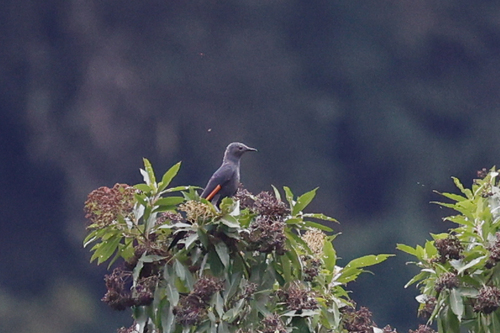
ハシボソテリムク (Onychognathus tenuirostris) ハシボソテリムク
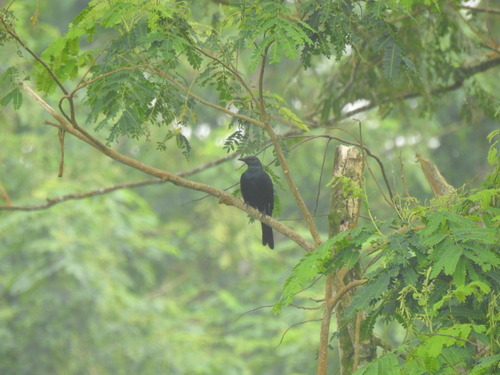
チャバネテリムク (Onychognathus fulgidus) チャバネテリムク

メディア

読み込み中…

要点

スレンダービルドスターリングとチャバネテリムクを区別する最も信頼できる方法は、飛行中の翼の色に焦点を当てることです:チャバネテリムクは翼に明らかな栗色のパネルを示しますが、スレンダービルドスターリングはこの特徴がありません。翼が無地の暗い色のスターリングを見た場合、それはスレンダービルドである可能性が高いです;翼が赤褐色または栗色に光る場合、それはチャバネです。構造と生息地も役立ちます:スレンダービルドはスリムで、長くて細いくちばしを持ち、東アフリカの高地に生息していますが、チャバネはよりがっしりしており、西部および中央アフリカの熱帯雨林に限定されています。両種はオニコグナトゥスのスターリングであるため、遠くから似たような全体的な形状と暗い羽毛に注意してください。

識別のコツ

  1. 栗色の翼のパネル: チャバネテリムクは常に豊かな栗色または赤褐色のパネルを翼に示し、飛行中に最も明らかですが、翼を部分的に開いた状態で止まっているときにも見ることができます。スレンダービルドスターリングはこれを示しません;その翼は均一に暗いです。これはすべての年齢で最も信頼できるフィールドマークです。
  2. 全体的な構造: スレンダービルドスターリングは特にスリムで、長くて細いくちばしを持ち、より細長い外観を与えます。チャバネはがっしりしており、相対的に短いくちばしを持っています。くちばしと体の形状がよく見えるときにこれを使用してください。
  3. くちばしの形: スレンダービルドのくちばしは長くて細く、しばしばほぼ下向きに見えます。チャバネのくちばしは短くて太いです。これは遠くからや暗い光の中で判断するのが難しい場合があります。
  4. 羽毛のトーン: 両者は全体的に暗いですが、チャバネはわずかに光沢があるか、特に良い光の中で紫がかった光沢を持つように見えることがあります。スレンダービルドはより均一に暗いか黒っぽいです。
  5. 飛行中の視界: 飛行中、チャバネの栗色の翼のパネルは明確に光りますが、スレンダービルドの翼は無地で暗いままです。これは特に群れや頭上を飛ぶ鳥に役立ちます。
  6. 止まっているときの視界: 翼が折りたたまれている場合、チャバネの栗色は部分的に隠れているかもしれませんが、翼の端に赤褐色のヒントを探してください。スレンダービルドはこの色を示しません。
  7. 生息地の文脈: 東アフリカの高地や山岳地域では、スレンダービルドが期待されます。西部/中央アフリカの低地熱帯雨林では、チャバネがデフォルトです。熱帯雨林ゾーンの外にいる場合、チャバネは非常に可能性が低いです。
  8. 分布: あなたの場所を確認してください。スレンダービルドは西アフリカの熱帯雨林には生息せず、チャバネは東アフリカの高地には存在しません。
  9. 群れの構成: 両種は他のオニコグナトゥスのスターリングと群れを作ることがあります。混合群れを見た場合、チャバネを見つけるために栗色の翼のパネルを探してください。
  10. 性別/年齢の違い: どちらの種についても、強い性的二形性や年齢特有のマークは資料に記載されていないため、翼のパネルと構造を主な手がかりとして使用してください。
  11. 声: 資料には記載されていません;地元の経験がない限り、声による区別に頼らないでください。
  12. 光の落とし穴: 暗い光の中では、チャバネの栗色が鈍く見えたり見逃されたりすることがあります;常に良い光の中または飛行中に鳥を確認するようにしてください。
  13. 混乱のリスク: 遠くから見ると、両者は一般的な暗いスターリングのように見えることがあります。栗色の翼のパネルだけが本当に診断的です。
  14. 季節: 季節による羽毛の変化は記載されていないため、これらのマークは一年中機能します。
  15. 疑わしい場合: 翼の色が見えず、構造に不安がある場合は、生息地と分布をバックアップの手がかりとして使用してください。

大きさ

提供された資料には直接的なサイズ比較はありませんが、両種はオニコグナトゥス属の典型的な中型のスターリングです。スレンダービルドスターリングはスリムで長いくちばしを持つと説明されており、より細長い外観を示唆していますが、チャバネテリムクはおそらくより頑丈です。現場では、サイズだけではこれら二つを区別するのは信頼できません。

羽色

行動

行動の違いは資料に詳述されていません。両種は他のオニコグナトゥスのスターリングと同様に行動する可能性が高く、しばしば群れで見られ、強く直接的な翼の打撃で飛びます。行動による区別は、さらなる情報がない限り信頼できないと考えるべきです。

生息環境

生息地は強力な支持の手がかりです。スレンダービルドスターリングは東アフリカの高地および山岳地域(エチオピア、ケニア、タンザニア、ウガンダ、ルワンダ、ブルンジ、マラウイ、ザンビア、東コンゴ民主共和国を含む)に生息し、しばしば開けたまたは軽く木立のある地域に見られます。チャバネテリムクはアフリカの熱帯雨林帯(西部および中央アフリカ)に限定されており、広く分布しています。リフトバレーの西側の密な熱帯雨林にいる場合、チャバネがはるかに可能性が高いです;東アフリカの開けた高地では、スレンダービルドを期待してください。

より良い説明を送る

比較と同じ項目を使ってください。文章はすぐに公開されます。

The most reliable way to separate Slender-billed Starling from Chestnut-winged Starling is by focusing on their wing coloration in flight: Chestnut-winged Starling shows obvious chestnut panels on the wings, while Slender-billed Starling lacks this feature. If you see a starling with plain dark wings, it's likely Slender-billed; if the wings flash rufous or chestnut, it's Chestnut-winged. Structure and habitat also help: Slender-billed is slimmer with a longer, thinner bill and is found in East African highlands, while Chestnut-winged is chunkier and restricted to the West and Central African rainforest. Both species are Onychognathus starlings, so beware of similar overall shape and dark plumage at a distance.

  1. Chestnut wing panels: Chestnut-winged Starling always shows rich chestnut or rufous panels on the wings, most obvious in flight but also visible when perched with wings partially open. Slender-billed Starling never shows this; its wings are uniformly dark. This is the single most reliable field mark at all ages.
  2. Overall structure: Slender-billed Starling is notably slender with a long, thin bill, giving it a more elongated look. Chestnut-winged is chunkier with a proportionally shorter bill. Use this when you have good views of the bill and body shape.
  3. Bill shape: Slender-billed's bill is longer and finer, often appearing almost decurved. Chestnut-winged's bill is shorter and stouter. This can be hard to judge at a distance or in poor light.
  4. Plumage tone: Both are dark overall, but Chestnut-winged can appear slightly glossier or with a purplish sheen, especially in good light. Slender-billed is more uniformly dark or blackish.
  5. Flight views: In flight, Chestnut-winged's chestnut wing panels flash distinctly, while Slender-billed's wings remain plain and dark. This is especially helpful for flocks or birds flying overhead.
  6. Perched views: If wings are folded, the chestnut may be partly hidden in Chestnut-winged, but look for any hint of rufous at the wing edges. Slender-billed will not show this color.
  7. Habitat context: In East African highlands or montane regions, Slender-billed is expected. In lowland rainforest of West/Central Africa, Chestnut-winged is the default. If you are outside the rainforest zone, Chestnut-winged is very unlikely.
  8. Range: Check your location. Slender-billed does not occur in the West African rainforest, and Chestnut-winged is absent from East African highlands.
  9. Flock composition: Both species may flock with other Onychognathus starlings. If you see mixed flocks, look for the chestnut wing panels to pick out Chestnut-winged.
  10. Sex/age differences: No strong sexual dimorphism or age-specific marks are described in the sources for either species, so use the wing panel and structure as your main clues.
  11. Voice: Not described in the sources; do not rely on vocalizations for separation unless you have local experience.
  12. Lighting pitfalls: In poor light, Chestnut-winged's chestnut may look dull or be missed; always try to see birds in good light or in flight for confirmation.
  13. Confusion risk: At a distance, both can look like generic dark starlings. Only the chestnut wing panel is truly diagnostic.
  14. Season: No seasonal plumage changes are noted, so these marks work year-round.
  15. When in doubt: If you cannot see the wing color and are unsure of structure, use habitat and range as your backup clues.

Direct size comparisons are not available in the provided sources, but both species are medium-sized starlings typical of the Onychognathus genus. Slender-billed Starling is described as slender and long-billed, suggesting a more elongated appearance, while Chestnut-winged Starling is likely more robust. In the field, size alone is not a reliable separator between these two unless seen side by side.

  • Juvenile/immature plumage: No specific details are given for age-specific wing or body patterns in either species, but the key difference at all ages is the wing coloration in flight. Chestnut-winged Starling of all ages shows prominent chestnut panels on the wings, visible both perched and especially in flight. Slender-billed Starling lacks any rufous or chestnut in the wings, appearing uniformly dark.
  • Adult plumage: Both are overall dark starlings, but Chestnut-winged always shows chestnut in the wings, while Slender-billed is plainer. No further seasonal or sex-based differences are noted in the sources.

Behavioral differences are not detailed in the sources. Both species are likely to behave similarly to other Onychognathus starlings, often seen in flocks and flying with strong, direct wingbeats. Any behavioral separation should be considered unreliable without further information.

Habitat is a strong supporting clue. Slender-billed Starling is found in highland and montane regions of East Africa (including Ethiopia, Kenya, Tanzania, Uganda, Rwanda, Burundi, Malawi, Zambia, and eastern DRC), often in open or lightly wooded areas. Chestnut-winged Starling is restricted to the African tropical rainforest belt (West and Central Africa), where it is widespread. If you are in dense rainforest west of the Rift Valley, Chestnut-winged is much more likely; in open highland country of East Africa, expect Slender-billed.

変更を破棄しますか?

保存していない編集があります。今離れると失われます。

ハシボソテリムク · チャバネテリムク · 苦手な鳥