

scrub euphonia vs yellow-throated euphonia
Euphonia affinis versus Euphonia hirundinacea
Jogue um quiz com scrub euphonia e yellow-throated euphonia
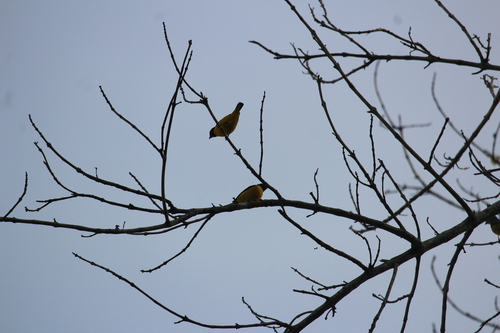 scrub euphonia
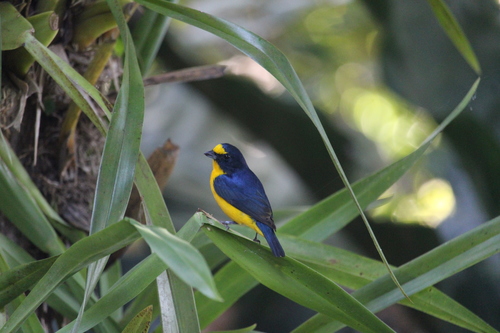 yellow-throated euphonia
Em resumo
A marca de campo mais confiável para separar scrub euphonia e yellow-throated euphonia é a cor e a extensão da garganta e das partes inferiores em ambos os sexos, especialmente na fêmea: a fêmea yellow-throated euphonia apresenta uma garganta e um ventre branco a cinza pálido, enquanto a fêmea scrub euphonia é amarelo-oliva em toda a parte inferior. Machos adultos são mais complicados, mas o amarelo na testa da scrub euphonia é menor e não ultrapassa o olho, enquanto na yellow-throated euphonia se estende até cerca da metade do olho. Em voo, ambas as espécies mostram branco na cauda, mas a yellow-throated euphonia tem um oval branco mais óbvio na parte inferior da asa. O tamanho também é uma pista: a yellow-throated é visivelmente mais pesada e ligeiramente mais longa. As aves imaturas são melhor separadas pela cor da garganta e do ventre, com a yellow-throated mostrando partes inferiores centrais mais claras assim que o amarelo aparece.
Dicas de identificação
- Partes inferiores da fêmea: A fêmea yellow-throated euphonia tem uma garganta e um ventre branco a cinza pálido, contrastando fortemente com flancos amarelo-oliva; a fêmea scrub euphonia é amarelo-oliva em toda a parte inferior. Esta é a marca mais confiável para separar fêmeas e imaturos.
- Mancha na testa do macho: A mancha amarela na testa do macho scrub euphonia é pequena e não ultrapassa o olho; na yellow-throated euphonia, se estende até cerca da metade do olho. Use esta marca em boa luz e em vistas próximas.
- Coberturas da parte inferior da cauda do macho: O macho adulto scrub euphonia tem coberturas da parte inferior da cauda amarelas; o macho yellow-throated tem coberturas da parte inferior da cauda cinza opaco. Isso é sutil e pode ser difícil de ver, a menos que o pássaro esteja empoleirado e arrepiado.
- Padrão da parte inferior da asa em voo: A yellow-throated euphonia mostra uma grande área oval branca na parte inferior da asa, a partir das teias internas das penas da cauda externa e coberturas brancas da parte inferior da asa; a scrub euphonia tem branco apenas nas teias internas das duas penas da cauda externa, menos extensa e menos óbvia em voo. Isso é melhor visto em aves voando acima ou quando se estão limpando.
- Machos imaturos/juvenis: O macho imaturo yellow-throated euphonia desenvolve uma garganta e um ventre pálidos (brancos) antes que a máscara preta e as partes superiores azul-negras apareçam, enquanto os imaturos da scrub euphonia permanecem amarelo-oliva na parte inferior. Se você ver um pássaro jovem com uma garganta e um ventre pálidos, é yellow-throated.
- Bico e estrutura: Ambas as espécies têm bicos curtos e robustos, mas a yellow-throated euphonia é ligeiramente maior e mais pesada no geral. Esta é uma marca de apoio, em vez de uma primária.
- Tamanho: A yellow-throated euphonia é mais pesada (14 g vs. 10 g) e ligeiramente mais longa (10–12 cm vs. 10 cm), mas isso é apenas óbvio em comparação direta ou com experiência.
- Partes superiores do macho: Ambos os machos adultos têm partes superiores azul-negras brilhantes, mas isso não é útil para separação; concentre-se na mancha da testa e nas coberturas da parte inferior da cauda.
- Partes superiores da fêmea: A fêmea yellow-throated tem um leve brilho metálico nas partes superiores verde-oliva; a fêmea scrub euphonia é mais uniformemente oliva com um tom cinza nas costas. Isso é sutil e nem sempre confiável.
- Vocalizações: Chamadas e canções são semelhantes—agudas, finas e trinado—mas as chamadas da yellow-throated são mais variadas e às vezes ásperas ou farinhentas. Use a voz apenas como uma pista de apoio, a menos que você esteja muito familiarizado com ambas as espécies.
- Habitat: Ambas as espécies se sobrepõem amplamente em habitat e alcance, então não confie apenas na localização para identificação.
- Padrão da cauda em voo: Ambas as espécies mostram branco nas penas externas da cauda, mas o da yellow-throated é mais extenso e forma uma área branca maior na parte inferior da asa; o da scrub euphonia é mais limitado.
- Contexto com outras euphonias: A fêmea yellow-throated é única na região por sua garganta e ventre pálidos; outras euphonias locais, incluindo a fêmea scrub, são amarelas ou amarelo-oliva na parte inferior. Se você ver uma fêmea euphonia com um ventre pálido, é yellow-throated.
- Sazonalidade: Nenhuma diferença de plumagem sazonal forte é notada para nenhuma das espécies; todas as marcas-chave se aplicam durante todo o ano.
- Armadilhas: Cuidado com machos imaturos yellow-throated, que podem parecer fêmeas, mas mostrarão uma garganta e um ventre pálidos à medida que amadurecem. Imaturos da scrub euphonia nunca mostram essa parte inferior central pálida.
Tamanho
A yellow-throated euphonia é distintamente maior e mais pesada, com uma média de cerca de 14 g contra 10 g para a scrub euphonia. Ambas são de cauda curta e compactas, mas a yellow-throated é ligeiramente mais longa (10–12 cm vs. 10 cm) e tem uma aparência mais robusta, especialmente em comparação direta. Essa diferença é sutil no campo, a menos que ambas as espécies estejam lado a lado, mas pode ser útil se você conseguir uma boa visão das proporções ou vê-las juntas em uma árvore frutífera.
Plumagem
- Fêmeas: A fêmea yellow-throated euphonia é única entre as euphonias locais por ter uma garganta, centro do peito e ventre branco a cinza pálido, com flancos amarelo-oliva. A fêmea scrub euphonia é amarelo-oliva em toda a parte inferior, sem nenhuma área pálida ou branca abaixo.
- Machos adultos: Ambos têm partes superiores azul-negras brilhantes e uma testa amarela, mas a mancha amarela na scrub euphonia é menor, não ultrapassando o olho, enquanto na yellow-throated se estende até cerca da metade do olho. As partes inferiores são amarelas em ambos, mas as coberturas da parte inferior da cauda da scrub euphonia são amarelas, enquanto as da yellow-throated são cinza opaco. As coberturas da parte inferior da asa são brancas na yellow-throated, e a parte inferior em voo mostra um grande oval branco a partir das teias internas das penas da cauda externa; a scrub euphonia também tem branco na cauda, mas o padrão da parte inferior da asa é menos extenso.
- Imaturos/Juvenis: Ambos começam parecendo fêmeas, mas à medida que os machos yellow-throated amadurecem, eles desenvolvem uma garganta e um ventre pálidos (brancos) antes que a máscara preta e as partes superiores azul-negras apareçam. Os imaturos da scrub euphonia permanecem amarelo-oliva na parte inferior. Isso faz da garganta e do ventre pálidos uma marca forte para a yellow-throated em todas as idades, exceto para o macho adulto da scrub euphonia, que nunca a mostra.
Comportamento
Ambas as espécies são arbóreas, frequentemente forrageando em pares ou pequenos grupos, e podem ser vistas nas bordas da floresta, plantações e matas abertas. Não há diferenças comportamentais fortes notadas nas fontes que sejam confiáveis para separação em campo. Ambas as espécies tendem a ser ativas e podem ser confiantes, frequentemente se alimentando de bagas de visco e outras frutas pequenas.
Habitat
Ambas as espécies se sobrepõem em grande parte de seu alcance do México até a América Central, e ambas utilizam uma variedade de habitats, incluindo bordas de florestas, matas abertas e plantações sombreadas. A yellow-throated euphonia ocorre do sudeste do México até o oeste do Panamá, enquanto a scrub euphonia se estende do México até a Costa Rica. Há uma considerável sobreposição, então o habitat sozinho não é diagnóstico, mas a scrub euphonia pode ser mais comum em habitats mais secos e abertos, e a yellow-throated é frequentemente encontrada em regiões úmidas e secas.
Voz
Ambas as espécies têm chamadas agudas e finas e canções fracas e trinado. A scrub euphonia emite de 1 a 3 apitos puros ("dee-dee-dee"), às vezes seguidos por mais notas, e uma medley fraca e trinado. As chamadas da yellow-throated euphonia são mais variadas e descritas como curtas, explosivas e às vezes ásperas ou farinhentas, com frases como "pidgel-eece" e "chi-bib-bib-bib-bib." A canção da yellow-throated é picotada e pode incluir notas imitas, mas seu repertório é menor que o de alguns parentes. Na prática, as diferenças são sutis e nem sempre confiáveis para separação em campo, a menos que você esteja muito familiarizado com ambas as espécies.
scrub euphonia · yellow-throated euphonia · Minhas aves difíceis