

Motmot

ヤブスミレフウキンチョウ 対 キノドスミレフウキンチョウ

Euphonia affinis 対 Euphonia hirundinacea

ヤブスミレフウキンチョウとキノドスミレフウキンチョウのクイズ
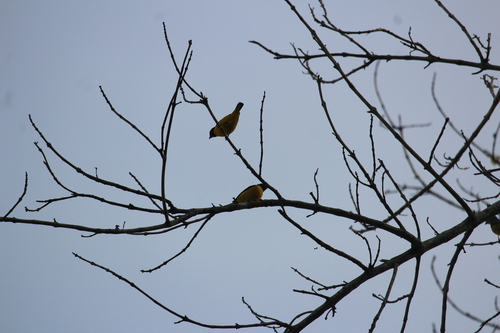
ヤブスミレフウキンチョウ (Euphonia affinis) ヤブスミレフウキンチョウ
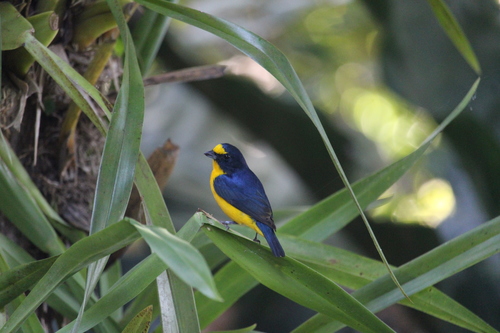
キノドスミレフウキンチョウ (Euphonia hirundinacea) キノドスミレフウキンチョウ

メディア

読み込み中…

要点

ヤブスミレフウキンチョウとキノドスミレフウキンチョウを区別するための最も信頼できるフィールドマークは、両性の喉と腹部の色と範囲、特に雌にあります:雌のキノドスミレフウキンチョウは白っぽいから淡い灰色の喉と腹部を示し、一方、雌のヤブスミレフウキンチョウは全体がオリーブイエローです。成鳥のオスはより難しいですが、ヤブスミレフウキンチョウの額の黄色は小さく、目を越えませんが、キノドスミレフウキンチョウでは目の中ほどまで伸びます。飛行中、両種は尾に白を示しますが、キノドスミレフウキンチョウは翼の下により明白な白い楕円形があります。サイズも手がかりです:Yellow-throatedは明らかに重く、わずかに長いです。未成熟の鳥は喉と腹部の色で最もよく区別され、Yellow-throatedは黄色が現れるとすぐに中央の腹部がより淡くなります。

識別のコツ

  1. Female underparts: 雌のキノドスミレフウキンチョウは白っぽいから淡い灰色の喉と腹部を持ち、黄色がかったオリーブの側面と鋭く対照的です;雌のヤブスミレフウキンチョウは全体がオリーブイエローです。これは雌と未成熟を区別するための最も信頼できるマークです。
  2. Male forehead patch: オスのヤブスミレフウキンチョウの額の黄色のパッチは小さく、目を越えません;キノドスミレフウキンチョウでは目の中ほどまで伸びます。このマークは良い光と近くの視点で使用してください。
  3. Male undertail coverts: 成鳥のオスのヤブスミレフウキンチョウは黄色の尾羽の覆いを持ち;Yellow-throatedのオスは鈍い灰色の尾羽の覆いを持ちます。これは微妙で、鳥が止まって羽を膨らませていない限り見るのが難しいかもしれません。
  4. Underwing pattern in flight: キノドスミレフウキンチョウは外尾羽の内側のウェブと白い翼の下の覆いからの大きな白い楕円形の領域を示します;ヤブスミレフウキンチョウは外側の2つの尾羽の内側のウェブにのみ白があり、飛行中はあまり広範囲ではなく、目立ちません。これは上空を飛んでいる鳥や羽繕いしているときに最もよく見られます。
  5. Immature/juvenile males: 未成熟のオスのキノドスミレフウキンチョウは黒いマスクと青黒い上面が現れる前に淡い(白っぽい)喉と腹部を発達させますが、ヤブスミレフウキンチョウの未成熟は下部がオリーブイエローのままです。淡い喉と腹部を持つ若い鳥を見たら、それはYellow-throatedです。
  6. Bill and structure: 両種は短くて太いくちばしを持っていますが、キノドスミレフウキンチョウは全体的にわずかに大きくて重いです。これは主なマークではなく、補助的なマークです。
  7. Size: キノドスミレフウキンチョウは重い(14 g対10 g)で、わずかに長い(10–12 cm対10 cm)ですが、これは直接比較や経験がないと明らかではありません。
  8. Male upperparts: 両方の成鳥のオスは光沢のある青黒い上面を持っていますが、これは区別には役立ちません;代わりに額のパッチと尾羽の覆いに焦点を当ててください。
  9. Female upperparts: 雌のYellow-throatedはオリーブグリーンの上面に微かな金属的な光沢があります;ヤブスミレフウキンチョウの雌は背中に灰色の色合いを持つより均一なオリーブです。これは微妙で、常に信頼できるわけではありません。
  10. Vocalizations: 呼び声と歌は似ています—高音で細く、さえずりですが、Yellow-throatedの呼び声はより多様で、時には粗いまたはチリチリしています。声は両種に非常に慣れていない限り、補助的な手がかりとしてのみ使用してください。
  11. Habitat: 両種は生息地と範囲が広く重なっているため、識別のために場所だけに頼らないでください。
  12. Tail pattern in flight: 両種は外尾羽に白を示しますが、Yellow-throatedの方が広範囲で、翼の下により大きな白い領域を形成します;ヤブスミレフウキンチョウの方はより限られています。
  13. Context with other euphonias: 雌のYellow-throatedはその淡い喉と腹部で地域でユニークです;他の地元のEuphonia、雌のScrubを含む、は下部が黄色またはオリーブイエローです。淡い腹部を持つ雌のEuphoniaを見たら、それはYellow-throatedです。
  14. Seasonality: どちらの種にも強い季節的な羽毛の違いは見られず、すべての重要なマークは年間を通じて適用されます。
  15. Pitfalls: 未成熟のYellow-throatedのオスには注意してください。雌のように見えることがありますが、成長するにつれて淡い喉と腹部を示します。ヤブスミレフウキンチョウの未成熟はこの淡い中央下部を決して示しません。

大きさ

キノドスミレフウキンチョウは明らかに大きくて重く、平均約14 gで、ヤブスミレフウキンチョウは10 gです。両方とも短尾でコンパクトですが、Yellow-throatedはわずかに長く(10–12 cm対10 cm)見え、特に直接比較ではより重く、頑丈な外観を持っています。この違いはフィールドでは微妙ですが、両種が並んでいる場合や、果実の木で一緒に見ると役立ちます。

羽色

行動

両種は樹上性で、しばしばペアまたは小グループで採餌し、森林の端、プランテーション、開けた森林で見ることができます。フィールドでの区別に信頼できる情報源には強い行動の違いは見られません。両種は活発で、しばしばミスルトウのベリーや他の小さな果物を食べることができます。

生息環境

両種はメキシコから中央アメリカにかけての広範囲で重なり合い、森林の端、開けた森林、日陰のプランテーションなど、さまざまな生息地を利用します。キノドスミレフウキンチョウはメキシコ南東部からパナマ西部にかけて生息し、ヤブスミレフウキンチョウはメキシコからコスタリカにかけて分布しています。かなりの重複があるため、生息地だけでは診断できませんが、ヤブスミレフウキンチョウは乾燥したより開けた生息地でより一般的である可能性があり、Yellow-throatedは湿潤地域と乾燥地域の両方で見られることがよくあります。

声

両種は高音で細い呼び声と弱いさえずりの歌を持っています。ヤブスミレフウキンチョウは1–3回の純粋な口笛("dee-dee-dee")を出し、時にはさらに多くの音符が続き、弱いさえずりのメドレーを作ります。キノドスミレフウキンチョウの呼び声はより多様で、短く爆発的で、時には粗いまたはチリチリしていると説明され、"pidgel-eece"や"chi-bib-bib-bib-bib"のようなフレーズがあります。Yellow-throatedの歌は切れ切れで、模倣された音符を含むことがありますが、そのレパートリーは一部の親戚よりも小さいです。実際には、違いは微妙で、両種に非常に慣れていない限り、フィールドでの区別には常に信頼できるわけではありません。

より良い説明を送る

比較と同じ項目を使ってください。文章はすぐに公開されます。

The most reliable field mark for separating Scrub Euphonia and Yellow-throated Euphonia is the color and extent of the throat and underparts in both sexes, especially the female: female Yellow-throated Euphonia shows a whitish to pale gray throat and belly, while female Scrub Euphonia is olive-yellow throughout below. Adult males are trickier, but the yellow on the forehead of Scrub Euphonia is smaller and does not reach past the eye, while in Yellow-throated Euphonia it extends to about mid-eye. In flight, both species show white in the tail, but Yellow-throated Euphonia has a more obvious white oval on the underwing. Size is also a clue: Yellow-throated is noticeably heavier and slightly longer. Immature birds are best separated by the color of the throat and belly, with Yellow-throated showing paler central underparts as soon as yellow appears.

  1. Female underparts: Female Yellow-throated Euphonia has a whitish to pale gray throat and belly, sharply contrasting with yellowish-olive flanks; female Scrub Euphonia is olive-yellow throughout below. This is the single most reliable mark for separating females and immatures.
  2. Male forehead patch: The yellow forehead patch on male Scrub Euphonia is small and does not reach past the eye; on Yellow-throated Euphonia it extends to about the middle of the eye. Use this mark in good light and close views.
  3. Male undertail coverts: Adult male Scrub Euphonia has yellow undertail coverts; Yellow-throated male has dull gray undertail coverts. This is subtle and may be hard to see unless the bird is perched and fluffed.
  4. Underwing pattern in flight: Yellow-throated Euphonia shows a large, white, oval-shaped area on the underwing from the inner webs of the outer tail feathers and white underwing coverts; Scrub Euphonia has white only on the inner webs of the outer two tail feathers, less extensive and less obvious in flight. This is best seen in birds flying overhead or when preening.
  5. Immature/juvenile males: Immature male Yellow-throated Euphonia develops a pale (whitish) throat and belly before the black mask and blue-black upperparts appear, while Scrub Euphonia immatures remain olive-yellow below. If you see a young bird with a pale throat and belly, it's Yellow-throated.
  6. Bill and structure: Both species have short, stubby bills, but Yellow-throated Euphonia is slightly larger and heavier overall. This is a supporting mark rather than a primary one.
  7. Size: Yellow-throated Euphonia is heavier (14 g vs. 10 g) and slightly longer (10–12 cm vs. 10 cm), but this is only obvious in direct comparison or with experience.
  8. Male upperparts: Both adult males have glossy blue-black upperparts, but this is not helpful for separation; focus on the forehead patch and undertail coverts instead.
  9. Female upperparts: Female Yellow-throated has a faint metallic gloss on the olive-green upperparts; Scrub Euphonia female is more uniformly olive with a gray tinge on the back. This is subtle and not always reliable.
  10. Vocalizations: Calls and songs are similar—high-pitched, thin, and twittering—but Yellow-throated's calls are more varied and sometimes rough or chaffy. Use voice only as a supporting clue unless you are very familiar with both species.
  11. Habitat: Both species overlap widely in habitat and range, so do not rely on location alone for identification.
  12. Tail pattern in flight: Both species show white in the outer tail feathers, but Yellow-throated's is more extensive and forms a larger white area on the underwing; Scrub Euphonia's is more limited.
  13. Context with other euphonias: Female Yellow-throated is unique in the region for its pale throat and belly; other local euphonias, including female Scrub, are yellow or olive-yellow below. If you see a female euphonia with a pale belly, it's Yellow-throated.
  14. Seasonality: No strong seasonal plumage differences are noted for either species; all key marks apply year-round.
  15. Pitfalls: Beware of immature Yellow-throated males, which can look like females but will show a pale throat and belly as they mature. Scrub Euphonia immatures never show this pale central underpart.

Yellow-throated Euphonia is distinctly larger and heavier, averaging about 14 g versus 10 g for Scrub Euphonia. Both are short-tailed and compact, but Yellow-throated is slightly longer (10–12 cm vs. 10 cm) and has a heavier, more robust look, especially in direct comparison. This difference is subtle in the field unless both species are side by side, but can be helpful if you get a good look at proportions or see them together at a fruiting tree.

  • Females: Female Yellow-throated Euphonia is unique among local euphonias in having a whitish to pale gray throat, center of breast, and belly, with yellowish-olive flanks. Female Scrub Euphonia is olive-yellow throughout the underparts, lacking any pale or whitish area below.
  • Adult males: Both have glossy blue-black upperparts and a yellow forehead, but the yellow patch on Scrub Euphonia is smaller, not reaching past the eye, while on Yellow-throated it extends to about mid-eye. Underparts are yellow in both, but Scrub Euphonia's undertail coverts are yellow, while Yellow-throated's are dull gray. Underwing coverts are white in Yellow-throated, and the underwing in flight shows a large white oval from the inner webs of the outer tail feathers; Scrub Euphonia also has white in the tail, but the underwing pattern is less extensive.
  • Immatures/Juveniles: Both start out resembling females, but as Yellow-throated males mature, they develop a pale (whitish) throat and belly before the black mask and blue-black upperparts appear. Scrub Euphonia immatures remain olive-yellow below. This makes the pale throat and belly a strong mark for Yellow-throated at all ages except adult male Scrub Euphonia, which never shows it.

Both species are arboreal, often foraging in pairs or small groups, and can be seen at forest edges, plantations, and open woodlands. There are no strong behavioral differences noted in the sources that are reliable for field separation. Both species tend to be active and can be confiding, often feeding on mistletoe berries and other small fruits.

Both species overlap in much of their range from Mexico through Central America, and both use a variety of habitats including forest edge, open woodland, and shaded plantations. Yellow-throated Euphonia occurs from southeastern Mexico to western Panama, while Scrub Euphonia ranges from Mexico to Costa Rica. There is considerable overlap, so habitat alone is not diagnostic, but Scrub Euphonia may be more common in drier, more open habitats, and Yellow-throated is often found in both humid and dry regions.

Both species have high-pitched, thin calls and weak, twittering songs. Scrub Euphonia gives 1–3 pure whistles ("dee-dee-dee"), sometimes followed by more notes, and a weak, twittering medley. Yellow-throated Euphonia's calls are more varied and described as short, explosive, and sometimes rough or chaffy, with phrases like "pidgel-eece" and "chi-bib-bib-bib-bib." The song of Yellow-throated is choppy and can include mimicked notes, but its repertoire is smaller than some relatives. In practice, the differences are subtle and not always reliable for field separation unless you are very familiar with both species.

変更を破棄しますか?

保存していない編集があります。今離れると失われます。

ヤブスミレフウキンチョウ · キノドスミレフウキンチョウ · 苦手な鳥