

Scrub Euphonia vs Yellow-throated Euphonia
Euphonia affinis contro Euphonia hirundinacea
Fai un quiz con Scrub Euphonia e Yellow-throated Euphonia
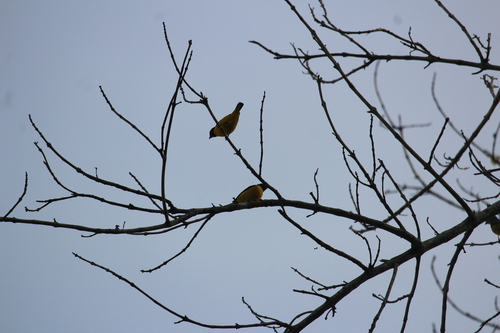 Scrub Euphonia
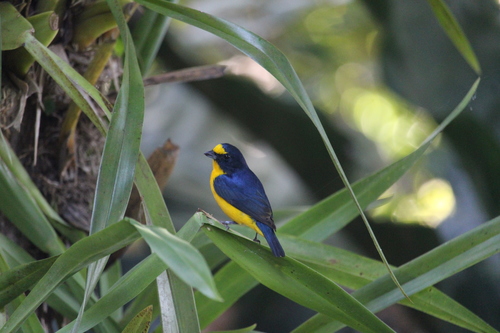 Yellow-throated Euphonia
In breve
Il segno di campo più affidabile per separare Scrub Euphonia e Yellow-throated Euphonia è il colore e l'estensione della gola e delle parti inferiori in entrambi i sessi, specialmente nella femmina: la femmina di Yellow-throated Euphonia mostra una gola e un ventre bianco-grigiastro, mentre la femmina di Scrub Euphonia è giallo-oliva in tutto il suo sotto. I maschi adulti sono più complicati, ma il giallo sulla fronte di Scrub Euphonia è più piccolo e non supera l'occhio, mentre in Yellow-throated Euphonia si estende fino a circa metà occhio. In volo, entrambe le specie mostrano bianco nella coda, ma Yellow-throated Euphonia ha un ovale bianco più evidente sulla parte inferiore dell'ala. Anche la dimensione è un indizio: Yellow-throated è visibilmente più pesante e leggermente più lungo. Gli uccelli immaturi sono meglio separati dal colore della gola e del ventre, con Yellow-throated che mostra parti inferiori centrali più chiare non appena appare il giallo.
Consigli di identificazione
- Parti inferiori femminili: La femmina di Yellow-throated Euphonia ha una gola e un ventre bianco-grigiastro, in netto contrasto con i fianchi giallo-oliva; la femmina di Scrub Euphonia è giallo-oliva in tutto il suo sotto. Questo è il segno più affidabile per separare femmine e immaturi.
- Macchia frontale maschile: La macchia gialla sulla fronte del maschio di Scrub Euphonia è piccola e non supera l'occhio; su Yellow-throated Euphonia si estende fino a circa la metà dell'occhio. Usa questo segno in buona luce e con viste ravvicinate.
- Copritail maschili: Il maschio adulto di Scrub Euphonia ha copritail gialli; il maschio di Yellow-throated ha copritail grigi opachi. Questo è sottile e potrebbe essere difficile da vedere a meno che l'uccello non sia posato e gonfio.
- Schema dell'ala inferiore in volo: Yellow-throated Euphonia mostra una grande area bianca a forma ovale sulla parte inferiore dell'ala proveniente dalle membrane interne delle piume esterne della coda e copritail bianchi; Scrub Euphonia ha bianco solo sulle membrane interne delle due piume esterne della coda, meno esteso e meno evidente in volo. Questo è meglio visto negli uccelli che volano sopra di noi o quando si puliscono.
- Maschi immaturi/giovanili: Il maschio immaturo di Yellow-throated Euphonia sviluppa una gola e un ventre chiari (bianco-grigi) prima che appaiano la maschera nera e le parti superiori blu-nerastre, mentre gli immaturi di Scrub Euphonia rimangono giallo-oliva sotto. Se vedi un giovane uccello con una gola e un ventre chiari, è Yellow-throated.
- Becco e struttura: Entrambe le specie hanno becchi corti e tozzi, ma Yellow-throated Euphonia è leggermente più grande e pesante nel complesso. Questo è un segno di supporto piuttosto che un segno principale.
- Dimensione: Yellow-throated Euphonia è più pesante (14 g contro 10 g) e leggermente più lungo (10–12 cm contro 10 cm), ma questo è evidente solo in un confronto diretto o con esperienza.
- Parti superiori maschili: Entrambi i maschi adulti hanno parti superiori blu-nerastre lucide, ma questo non è utile per la separazione; concentrati invece sulla macchia frontale e sui copritail.
- Parti superiori femminili: La femmina di Yellow-throated ha una leggera lucentezza metallica sulle parti superiori verde-oliva; la femmina di Scrub Euphonia è più uniformemente oliva con una sfumatura grigia sulla schiena. Questo è sottile e non sempre affidabile.
- Vocalizzazioni: I richiami e i canti sono simili—acuti, sottili e cinguettanti—ma i richiami di Yellow-throated sono più vari e talvolta ruvidi o frastagliati. Usa la voce solo come indizio di supporto a meno che tu non sia molto familiare con entrambe le specie.
- Habitat: Entrambe le specie si sovrappongono ampiamente in habitat e distribuzione, quindi non fare affidamento solo sulla posizione per l'identificazione.
- Schema della coda in volo: Entrambe le specie mostrano bianco nelle piume esterne della coda, ma quello di Yellow-throated è più esteso e forma una zona bianca più grande sulla parte inferiore dell'ala; Scrub Euphonia è più limitato.
- Contesto con altre euphonie: La femmina di Yellow-throated è unica nella regione per la sua gola e ventre chiari; altre euphonie locali, inclusa la femmina di Scrub, sono gialle o giallo-olive sotto. Se vedi un'euphonia femmina con un ventre chiaro, è Yellow-throated.
- Stagionalità: Non si notano forti differenze di piumaggio stagionali per nessuna delle due specie; tutti i segni chiave si applicano tutto l'anno.
- Trappole: Fai attenzione ai maschi immaturi di Yellow-throated, che possono assomigliare a femmine ma mostreranno una gola e un ventre chiari man mano che maturano. Gli immaturi di Scrub Euphonia non mostrano mai questa parte centrale chiara.
Taglia
Yellow-throated Euphonia è nettamente più grande e pesante, con una media di circa 14 g contro 10 g per Scrub Euphonia. Entrambi sono compatti e con coda corta, ma Yellow-throated è leggermente più lungo (10–12 cm contro 10 cm) e ha un aspetto più robusto, specialmente in confronto diretto. Questa differenza è sottile sul campo a meno che entrambe le specie non siano affiancate, ma può essere utile se riesci a dare un buon sguardo alle proporzioni o se le vedi insieme su un albero da frutto.
Piumaggio
- Femmine: La femmina di Yellow-throated Euphonia è unica tra le euphonie locali per avere una gola, un centro del petto e un ventre bianco-grigiastro, con fianchi giallo-oliva. La femmina di Scrub Euphonia è giallo-oliva in tutto il suo sotto, priva di qualsiasi area chiara o bianca sotto.
- Maschi adulti: Entrambi hanno parti superiori blu-nerastre lucide e una fronte gialla, ma la macchia gialla su Scrub Euphonia è più piccola, non supera l'occhio, mentre su Yellow-throated si estende fino a circa metà occhio. Le parti inferiori sono gialle in entrambe, ma i copritail di Scrub Euphonia sono gialli, mentre quelli di Yellow-throated sono grigi opachi. I copritail inferiori sono bianchi in Yellow-throated, e la parte inferiore in volo mostra un grande ovale bianco proveniente dalle membrane interne delle piume esterne della coda; Scrub Euphonia ha anche bianco nella coda, ma lo schema della parte inferiore è meno esteso.
- Immaturi/Giovanili: Entrambi iniziano assomigliando a femmine, ma man mano che i maschi di Yellow-throated maturano, sviluppano una gola e un ventre chiari (bianco-grigi) prima che appaiano la maschera nera e le parti superiori blu-nerastre. Gli immaturi di Scrub Euphonia rimangono giallo-oliva sotto. Questo rende la gola e il ventre chiari un segno forte per Yellow-throated a tutte le età tranne che per il maschio adulto di Scrub Euphonia, che non lo mostra mai.
Comportamento
Entrambe le specie sono arboricole, spesso foraggiando in coppie o piccoli gruppi, e possono essere viste ai margini delle foreste, nelle piantagioni e nei boschi aperti. Non si notano forti differenze comportamentali nelle fonti che siano affidabili per la separazione sul campo. Entrambe le specie tendono ad essere attive e possono essere confidenziali, spesso nutrendosi di bacche di vischio e altri piccoli frutti.
Habitat
Entrambe le specie si sovrappongono in gran parte della loro distribuzione dal Messico attraverso l'America Centrale, e entrambe utilizzano una varietà di habitat tra cui margini forestali, boschi aperti e piantagioni ombreggiate. Yellow-throated Euphonia si trova dal sud-est del Messico fino a Panama occidentale, mentre Scrub Euphonia si estende dal Messico alla Costa Rica. C'è una considerevole sovrapposizione, quindi l'habitat da solo non è diagnostico, ma Scrub Euphonia potrebbe essere più comune in habitat più secchi e aperti, e Yellow-throated si trova spesso sia in regioni umide che secche.
Voce
Entrambe le specie hanno richiami acuti e sottili e canti deboli e cinguettanti. Scrub Euphonia emette 1–3 fischi puri ("dee-dee-dee"), a volte seguiti da altre note, e un debole medley cinguettante. I richiami di Yellow-throated Euphonia sono più vari e descritti come brevi, esplosivi e talvolta ruvidi o frastagliati, con frasi come "pidgel-eece" e "chi-bib-bib-bib-bib." Il canto di Yellow-throated è frammentato e può includere note imitate, ma il suo repertorio è più piccolo rispetto ad alcuni parenti. In pratica, le differenze sono sottili e non sempre affidabili per la separazione sul campo a meno che tu non sia molto familiare con entrambe le specie.
Scrub Euphonia · Yellow-throated Euphonia · I miei uccelli difficili