

gaivota-de-sabine vs guincho-americano
Xema sabini versus Chroicocephalus philadelphia
Jogue um quiz com gaivota-de-sabine e guincho-americano
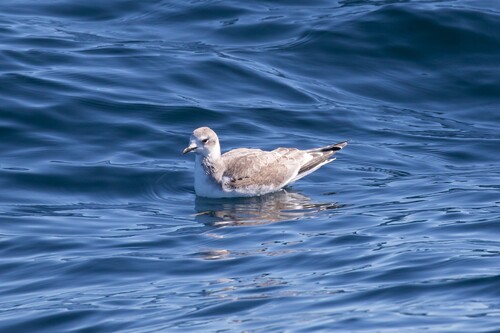 gaivota-de-sabine
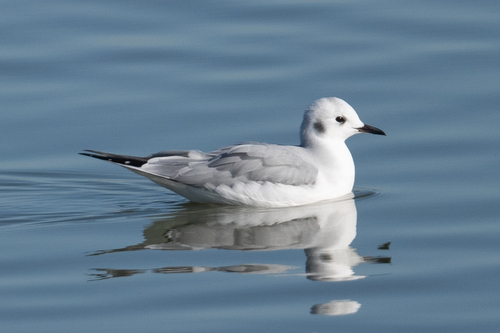 guincho-americano
Em resumo
A marca de campo mais confiável para separar a gaivota-de-sabine do guincho-americano—especialmente em voo e entre imaturos—é o padrão de asa superior tricolor marcante da gaivota-de-sabine, com um triângulo preto, branco e cinza ousado, que é único entre as gaivotas de qualquer idade. As gaivotas-de-sabine juvenis e de primeiro inverno não possuem esse padrão, mostrando em vez disso uma barra marrom na asa anterior e uma faixa preta na cauda. Estruturalmente, a gaivota-de-sabine é mais esbelta, com asas mais longas e pontudas e uma cauda distintamente bifurcada, enquanto o guincho-americano tem uma forma de gaivota mais típica e apenas uma cauda levemente recortada. A cor e o padrão do bico também diferem: a gaivota-de-sabine tem um bico preto com uma ponta amarela, enquanto o bico do guincho-americano é todo preto e mais fino. Ambas as espécies são pequenas, mas a gaivota-de-sabine é ligeiramente mais leve em média. O contexto e o habitat podem ajudar, mas vagantes e migrações podem trazer qualquer uma das espécies a lugares inesperados.
Dicas de identificação
- Asa Superior Tricolor (gaivota-de-sabine, todas as idades): Procure pelo triângulo único preto, branco e cinza na asa superior em voo—nenhum guincho-americano de qualquer idade apresenta esse padrão.
- Gaivota-de-sabine Juvenil/Primeiro Inverno: Apresenta uma barra marrom na asa anterior e uma faixa preta na cauda, mas não possui a asa tricolor. As costas são marrons, e o bico é todo preto.
- Forma da Cauda: A gaivota-de-sabine tem uma cauda distintamente bifurcada (branca com uma faixa preta terminal em juvenis), enquanto a cauda do guincho-americano é apenas levemente recortada, nunca profundamente bifurcada.
- Padrão do Bico: A gaivota-de-sabine tem um bico preto com uma ponta amarela (todas as idades), enquanto o bico do guincho-americano é todo preto e mais fino.
- Padrão da Cabeça na Plumagem de Reprodução: A gaivota-de-sabine tem um capuz cinza escuro com um colar preto fino; o guincho-americano tem um capuz preto ardósia sem colar. Ambas perdem o capuz na plumagem não reprodutiva.
- Parte Inferior da Asa em Voo: O guincho-americano tem uma parte inferior da asa muito pálida, sem parte escura nas primárias; a parte inferior da asa da gaivota-de-sabine não é descrita como distintiva, mas o padrão da asa superior é diagnóstico.
- Partes Superiores: Ambas têm costas cinza pálido como adultos, mas a da gaivota-de-sabine é ligeiramente mais pálida e limpa; o cinza do guincho-americano se estende até a parte de trás do pescoço.
- Cor das Pernas: O guincho-americano tem pernas vermelho-rosadas no inverno e vermelho-alaranjadas no verão; a cor das pernas da gaivota-de-sabine não é descrita como distintiva.
- Estilo de Voo: A gaivota-de-sabine é mais flutuante e semelhante a uma andorinha, com asas mais longas e finas e um voo mais gracioso. O guincho-americano é mais compacto e típico de pequenas gaivotas.
- Contexto do Habitat: A gaivota-de-sabine é mais provável de ser vista longe da costa ou como um raro migrante interior; o guincho-americano é mais provável de ser encontrado em lagos, rios e costas abrigadas.
- Tempos de Troca de Plumagem: As juvenis da gaivota-de-sabine mantêm a plumagem juvenil até o outono e só trocam após a migração; o guincho-americano troca antes da migração, então as aves de primeiro inverno são mais semelhantes a adultos no outono.
- Voz: Se ouvida, o chamado agudo e estridente da gaivota-de-sabine é distintivo.
- Tamanho: Ambas são pequenas, mas a gaivota-de-sabine é ligeiramente mais leve e mais esbelta; o tamanho sozinho não é confiável.
- Armadilhas: À longa distância, a gaivota-de-sabine pode ser confundida com imaturos do guincho-americano, mas a asa superior tricolor é única. O guincho-americano pode ser confundido com outras pequenas gaivotas, mas não com a gaivota-de-sabine se o padrão da asa for visto.
- Variação Sazonal: Ambas as espécies perdem seus capuzes na plumagem não reprodutiva, então confie no padrão da asa e da cauda, na cor do bico e na estrutura fora da temporada de reprodução.
Tamanho
Ambas as espécies estão entre as menores gaivotas, mas a gaivota-de-sabine tem uma média de cerca de 185 g de massa corporal [wikidata], enquanto o guincho-americano varia de 180 a 225 g [wikipedia]. A gaivota-de-sabine mede de 27 a 33 cm de comprimento com uma envergadura de 81 a 87 cm, enquanto o guincho-americano é ligeiramente mais longo, medindo de 28 a 38 cm e tem uma envergadura de 76 a 84 cm. No campo, o tamanho é muito semelhante e não é um separador confiável, embora a gaivota-de-sabine possa parecer mais delicada e esbelta, especialmente em voo.
Plumagem
- Aves Juvenis/Primeiro Inverno:
- Gaivota-de-sabine (juvenil/primeiro inverno): Apresenta uma asa superior tricolor única com um triângulo ousado preto, branco e cinza, e uma cauda branca com uma faixa preta terminal. As costas são marrons em vez de cinzas, e o bico é preto com uma ponta amarela. Os juvenis mantêm essa plumagem até o outono e só trocam após chegar aos locais de invernada.
- Guincho-americano (juvenil/primeiro inverno): Não possui a asa tricolor. Apresenta costas marrons escamadas, manchas marrons na cabeça, uma barra marrom na asa anterior, pontas escuras nas secundárias e uma faixa preta na cauda. O bico é todo preto. A maioria dos juvenis troca antes da migração, então as aves de primeiro inverno são mais semelhantes a adultos, mas mantêm a barra marrom na asa anterior e a ponta preta na cauda.
- Adultos:
- Gaivota-de-sabine: Na plumagem de reprodução, tem um capuz cinza escuro com um colar preto fino, costas cinza pálido e a mesma asa superior tricolor marcante. Adultos não reprodutivos perdem o capuz, mas mantêm o padrão da asa. A cauda é sempre distintamente bifurcada.
- Guincho-americano: Na plumagem de reprodução, tem um capuz preto ardósia, partes superiores cinza pálido e uma parte inferior da asa branca com pontas de asa listradas em preto e branco. O cinza das costas se estende até a parte de trás do pescoço. Adultos não reprodutivos perdem o capuz. A cauda é apenas levemente recortada, não profundamente bifurcada. A parte inferior da asa é muito pálida, sem qualquer parte escura nas primárias.
Comportamento
A gaivota-de-sabine frequentemente parece mais flutuante e semelhante a uma andorinha em voo, com asas longas e pontudas e um estilo de voo mais ágil e gracioso. Sua cauda bifurcada é frequentemente notável, especialmente quando aberta. O guincho-americano também é ágil, mas tende a parecer mais uma gaivota pequena típica, com uma cauda menos profundamente bifurcada e uma aparência mais compacta e arredondada. Ambas as espécies podem ser vistas se alimentando sobre a água, mas a gaivota-de-sabine é mais provável de ser vista longe da costa durante a migração.
Habitat
A gaivota-de-sabine se reproduz na tundra ártica alta e é mais frequentemente vista no mar durante a migração, às vezes longe da costa, mas pode aparecer no interior como um raro migrante. O guincho-americano se reproduz em florestas boreais perto de lagos e rios na América do Norte e inverna ao longo das costas, lagos e rios, muitas vezes em águas mais abrigadas ou interiores do que a gaivota-de-sabine. Durante a migração, o guincho-americano é muito mais provável de ser encontrado em lagos, rios e baías costeiras, enquanto a gaivota-de-sabine é mais pelágica.
Voz
A gaivota-de-sabine tem um chamado muito agudo e estridente, que é distintivo se ouvido. Os chamados do guincho-americano não são descritos nas notas fornecidas, então a voz só é útil se a gaivota-de-sabine for ouvida.
gaivota-de-sabine · guincho-americano · Minhas aves difíceis