

Motmot

クビワカモメ 対 ボナパルトカモメ

Xema sabini 対 Chroicocephalus philadelphia

クビワカモメとボナパルトカモメのクイズ
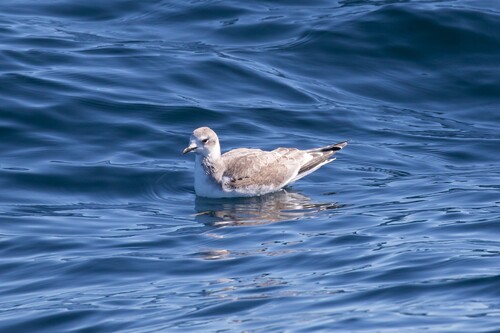
クビワカモメ (Xema sabini) クビワカモメ
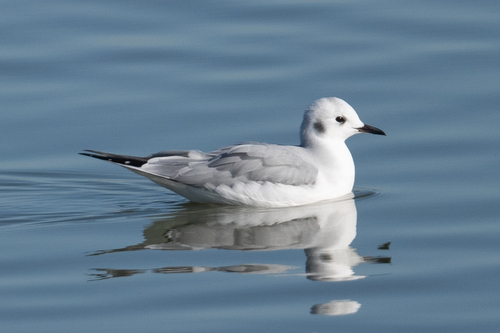
ボナパルトカモメ (Chroicocephalus philadelphia) ボナパルトカモメ

メディア

読み込み中…

要点

サビーヌカモメとボナパルトカモメを区別する最も信頼できるフィールドマークは、特に飛行中や幼鳥の中で、サビーヌカモメの目を引く三色の上翼パターンであり、太い黒、白、灰色の三角形が特徴で、どの年齢のカモメにも見られない独特のものです。幼鳥と初冬のボナパルトカモメはこのパターンを欠き、代わりに前翼に茶色のバーと黒い尾帯を示します。構造的には、サビーヌカモメはより細身で、長く尖った翼と明確に分かれた尾を持ち、ボナパルトカモメはより典型的なカモメの形をしており、尾はわずかに切れ込みがあります。くちばしの色とパターンも異なります:サビーヌカモメは黄色い先端のある黒いくちばしを持ち、ボナパルトカモメは全体が黒く、より細いです。両種は小型ですが、サビーヌカモメは平均してわずかに軽いです。文脈と生息地が役立つことがありますが、迷鳥や移動により、どちらの種も予期しない場所に現れることがあります。

識別のコツ

  1. 三色の上翼(サビーヌカモメ、すべての年齢): 飛行中の上翼に見られる独特の黒、白、灰色の三角形を探してください—どの年齢のボナパルトカモメもこのパターンを示しません。
  2. 幼鳥/初冬のボナパルトカモメ: 前翼に茶色のバーと黒い尾帯を示しますが、三色の翼は欠けています。背中は茶色のスカロップ模様で、くちばしは全体が黒いです。
  3. 尾の形: サビーヌカモメは明確に分かれた尾を持ち(幼鳥では白い尾に黒い端帯)、ボナパルトカモメの尾はわずかに切れ込んでいるだけで、深く分かれていることはありません。
  4. くちばしのパターン: サビーヌカモメは黄色い先端のある黒いくちばしを持ち(すべての年齢)、ボナパルトカモメのくちばしは全体が黒く、より細いです。
  5. 繁殖羽衣の頭のパターン: サビーヌカモメは薄い黒い襟のある暗灰色のフードを持ち、ボナパルトカモメは襟のないスレートブラックのフードを持っています。両者は非繁殖羽衣ではフードを失います。
  6. 飛行中の下翼: ボナパルトカモメは非常に淡い下翼を持ち、初列風切羽の暗い裏面はありません;サビーヌカモメの下翼は特に特徴的とは記載されていませんが、上翼のパターンは診断的です。
  7. 上面: 両者は成鳥として淡い灰色の背中を持っていますが、サビーヌカモメはわずかに淡く、きれいです;ボナパルトカモメの灰色は後ろの首まで伸びています。
  8. 脚の色: ボナパルトカモメは冬にピンクがかった赤い脚を持ち、夏にはオレンジがかった赤になります;サビーヌカモメの脚の色は特徴的とは記載されていません。
  9. 飛行スタイル: サビーヌカモメはより浮遊感があり、トンビのようで、長く細い翼とより優雅な飛行を持っています。ボナパルトカモメはよりコンパクトで、小型カモメの典型的な形をしています。
  10. 生息地の文脈: サビーヌカモメは沖合や稀な内陸移動者として現れる可能性が高く、ボナパルトカモメは湖、川、そして保護された海岸に現れる可能性が高いです。
  11. 換羽のタイミング: サビーヌカモメの幼鳥は秋まで幼羽を保持し、移動後にのみ換羽します;ボナパルトカモメは移動前に換羽するため、初冬の鳥は秋にはより成鳥に似ています。
  12. 声: 聞こえた場合、サビーヌカモメの高音でキュッキュッという呼び声は特徴的です。
  13. サイズ: 両者は小型ですが、サビーヌカモメはわずかに軽く、より細身です;サイズだけでは信頼できません。
  14. 落とし穴: 遠距離では、サビーヌカモメは幼鳥のボナパルトカモメと混同されることがありますが、三色の上翼は独特です。ボナパルトカモメは他の小型カモメと混同されることがありますが、翼のパターンが見られればサビーヌカモメとは混同されません。
  15. 季節的変動: 両種は非繁殖羽衣でフードを失うため、繁殖シーズン外では翼と尾のパターン、くちばしの色、構造に依存してください。

大きさ

両種は最小のカモメの中に含まれますが、サビーヌカモメは体重が約185gであるのに対し、ボナパルトカモメは180〜225gの範囲です。サビーヌカモメは27〜33cmの長さで、翼幅は81〜87cmですが、ボナパルトカモメは28〜38cmとわずかに長く、翼幅は76〜84cmです。フィールドでは、サイズは非常に似ており、信頼できる区別にはなりませんが、サビーヌカモメは特に飛行中により繊細で細身に見えることがあります。

羽色

行動

サビーヌカモメは飛行中により浮遊感があり、トンビのように見え、長く尖った翼とより敏捷で優雅な飛行スタイルを持っています。その分かれた尾は特に目立つことが多いです。ボナパルトカモメも敏捷ですが、より典型的な小型カモメのように見え、深く分かれた尾は持たず、よりコンパクトで丸みを帯びた外観をしています。両種は水面で餌を探す姿が見られますが、サビーヌカモメは移動中に沖合で見られる可能性が高いです。

生息環境

サビーヌカモメは高い北極ツンドラで繁殖し、移動中は海で最もよく見られ、時には沖合で見られますが、稀な移動者として内陸に現れることもあります。ボナパルトカモメは北アメリカの湖や川の近くの亜寒帯林で繁殖し、沿岸、湖、川で冬を過ごし、サビーヌカモメよりもより保護された内陸の水域に現れることが多いです。移動中、ボナパルトカモメは湖、川、沿岸の入り江で見られる可能性が高く、サビーヌカモメはより外洋性です。

声

サビーヌカモメは非常に高音でキュッキュッという呼び声を持ち、聞こえた場合は特徴的です。ボナパルトカモメの呼び声は提供されたメモには記載されていないため、サビーヌカモメが聞こえた場合にのみ声が役立ちます。

より良い説明を送る

比較と同じ項目を使ってください。文章はすぐに公開されます。

The most reliable field mark to separate Sabine's Gull from Bonaparte's Gull—especially in flight and among immatures—is Sabine's Gull's striking tricolored upperwing pattern, with a bold black, white, and gray triangle, which is unique among gulls of any age. Juvenile and first-winter Bonaparte's Gulls lack this pattern, instead showing a brown bar across the forewing and a black tail band. Structurally, Sabine's Gull is more slender, with longer, more pointed wings and a distinctly forked tail, while Bonaparte's Gull has a more typical gull shape and only a slightly notched tail. Bill color and pattern also differ: Sabine's has a black bill with a yellow tip, while Bonaparte's is all black and thinner. Both species are small, but Sabine's Gull is slightly lighter on average. Context and habitat can help, but vagrants and migration can bring either species to unexpected places.

  1. Tricolored Upperwing (Sabine's Gull, all ages): Look for the unique black, white, and gray triangle on the upperwing in flight—no Bonaparte's Gull of any age shows this pattern.
  2. Juvenile/First-winter Bonaparte's Gull: Shows a brown bar across the forewing and a black tail band, but lacks the tricolored wing. The back is scalloped brown, and the bill is all black.
  3. Tail Shape: Sabine's Gull has a distinctly forked tail (white with a black terminal band in juveniles), while Bonaparte's Gull's tail is only slightly notched, never deeply forked.
  4. Bill Pattern: Sabine's Gull has a black bill with a yellow tip (all ages), while Bonaparte's Gull's bill is all black and thinner.
  5. Head Pattern in Breeding Plumage: Sabine's Gull has a dark gray hood with a thin black collar; Bonaparte's Gull has a slaty black hood without a collar. Both lose the hood in nonbreeding plumage.
  6. Underwing in Flight: Bonaparte's Gull has a very pale underwing with no dark underside to the primaries; Sabine's Gull's underwing is not described as distinctive, but the upperwing pattern is diagnostic.
  7. Upperparts: Both have pale gray backs as adults, but Sabine's is slightly paler and cleaner; Bonaparte's gray extends up the rear neck.
  8. Leg Color: Bonaparte's Gull has pinkish-red legs in winter and orangish-red in summer; Sabine's Gull's leg color is not described as distinctive.
  9. Flight Style: Sabine's Gull is more buoyant and tern-like, with longer, thinner wings and a more graceful flight. Bonaparte's is more compact and typical of small gulls.
  10. Habitat Context: Sabine's is more likely far offshore or as a rare inland migrant; Bonaparte's is more likely on lakes, rivers, and sheltered coasts.
  11. Molt Timing: Sabine's juveniles retain juvenile plumage into autumn and only molt after migration; Bonaparte's molt before migration, so first-winter birds are more adult-like by fall.
  12. Voice: If heard, Sabine's high-pitched, squeaking call is distinctive.
  13. Size: Both are small, but Sabine's is slightly lighter and more slender; size alone is not reliable.
  14. Pitfalls: At long range, Sabine's Gull can be confused with immature Bonaparte's, but the tricolored upperwing is unique. Bonaparte's can be confused with other small gulls, but not with Sabine's if the wing pattern is seen.
  15. Seasonal Variation: Both species lose their hoods in nonbreeding plumage, so rely on wing and tail pattern, bill color, and structure outside the breeding season.

Both species are among the smallest gulls, but Sabine's Gull averages about 185 g in body mass [wikidata], while Bonaparte's Gull ranges from 180–225 g [wikipedia]. Sabine's Gull is 27–33 cm in length with an 81–87 cm wingspan, while Bonaparte's Gull is slightly longer at 28–38 cm and has a 76–84 cm wingspan. In the field, size is very similar and not a reliable separator, though Sabine's Gull may appear more delicate and slender, especially in flight.

  • Juvenile/First-winter birds:
  • Sabine's Gull (juvenile/first-winter): Shows a unique tricolored upperwing with a bold black, white, and gray triangle, and a white tail with a black terminal band. The back is brownish instead of gray, and the bill is black with a yellow tip. Juveniles retain this plumage through autumn and only molt after reaching wintering grounds.
  • Bonaparte's Gull (juvenile/first-winter): Lacks the tricolored wing. Shows scalloped brown on the back, patchy brown on the head, a brown bar across the forewing, blackish tips to the secondaries, and a black tail band. Bill is all black. Most juveniles molt before migration, so first-winter birds are more adult-like but retain the brown forewing bar and black tail tip.
  • Adults:
  • Sabine's Gull: In breeding plumage, has a dark gray hood with a thin black collar, pale gray back, and the same striking tricolored upperwing. Nonbreeding adults lose the hood but retain the wing pattern. Tail is always distinctly forked.
  • Bonaparte's Gull: In breeding plumage, has a slaty black hood, pale gray upperparts, and a white underwing with black-and-white striped wingtips. The gray of the back extends up the rear of the neck. Nonbreeding adults lose the hood. Tail is only slightly notched, not deeply forked. Underwing is very pale, lacking any dark underside to the primaries.

Sabine's Gull often appears more buoyant and tern-like in flight, with long, pointed wings and a more agile, graceful flight style. Its forked tail is often noticeable, especially when fanned. Bonaparte's Gull is also agile but tends to look more like a typical small gull, with a less deeply forked tail and a more compact, rounded appearance. Both species can be seen feeding over water, but Sabine's Gull is more likely to be seen far offshore during migration.

Sabine's Gull breeds in high Arctic tundra and is most often seen at sea during migration, sometimes far offshore, but can appear inland as a rare migrant. Bonaparte's Gull breeds in boreal forests near lakes and rivers in North America and winters along coasts, lakes, and rivers, often in more sheltered or inland waters than Sabine's. In migration, Bonaparte's is much more likely on lakes, rivers, and coastal bays, while Sabine's is more pelagic.

Sabine's Gull has a very high-pitched, squeaking call, which is distinctive if heard. Bonaparte's Gull's calls are not described in the provided notes, so voice is only helpful if Sabine's is heard.

変更を破棄しますか?

保存していない編集があります。今離れると失われます。

クビワカモメ · ボナパルトカモメ · 苦手な鳥