

ryukyu minivet vs ashy minivet
Pericrocotus tegimae versus Pericrocotus divaricatus
Jogue um quiz com ryukyu minivet e ashy minivet
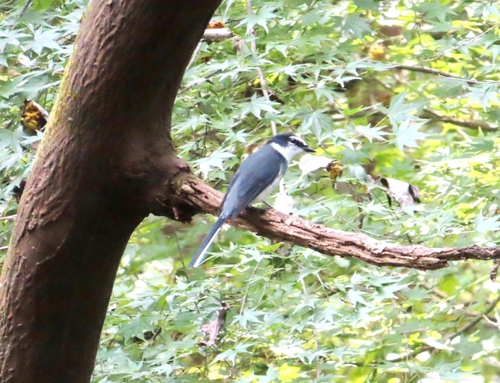 ryukyu minivet
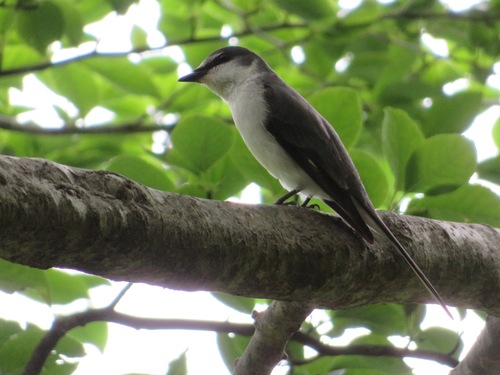 ashy minivet
Em resumo
A maneira mais confiável de separar o ryukyu minivet do ashy minivet é focando no padrão da cabeça do macho e na coloração geral: machos de ashy minivet apresentam um rosto branco marcante com a nuca e o boné pretos, enquanto o ryukyu minivet não possui esse contraste ousado. Ambas as espécies são semelhantes em tamanho e estrutura, mas o ashy minivet é ligeiramente mais pesado e longo. As fêmeas são mais desafiadoras, mas as fêmeas de ashy minivet têm uma linha preta distinta entre o bico e o olho com uma faixa branca estreita acima, que o ryukyu não possui. Ambas as espécies estão intimamente relacionadas e podem ser confusas, especialmente no Japão, onde seus habitats se sobrepõem, mas a atenção cuidadosa ao padrão da cabeça e às sutis diferenças de plumagem ajudará a confirmar a identificação.
Dicas de identificação
- Padrão da cabeça do macho: Procure o rosto branco ousado do macho de ashy minivet, a nuca preta e o boné preto—essa é a diferença mais distintiva. Machos de ryukyu minivet não possuem esse contraste acentuado e têm uma cabeça mais simples.
- Padrão do rosto da fêmea: A fêmea de ashy minivet apresenta uma faixa preta entre o bico e o olho, com uma faixa branca estreita acima; fêmeas de ryukyu minivet não têm essa combinação e parecem mais simples.
- Asas e cauda em voo: O ashy minivet apresenta uma faixa branca nas penas de voo e penas de cauda externas brancas. O ryukyu minivet provavelmente mostra um pouco de branco, mas não tão acentuadamente. Isso é sutil e melhor utilizado em boa luz ou fotos.
- Coloração geral: O ashy minivet é estritamente cinza, branco e preto, sem amarelo, laranja ou vermelho. O ryukyu minivet é semelhante, mas os padrões da cabeça e do rosto são menos contrastantes.
- Tamanho: O ashy minivet é ligeiramente maior e mais pesado, mas essa não é uma marca de campo confiável, a menos que ambas as espécies sejam vistas juntas.
- Comportamento: Ambas as espécies forrageiam na copa das árvores e podem se juntar a bandos mistos. O ashy minivet é mais propenso a ser visto em grandes grupos migratórios, especialmente fora da temporada de reprodução.
- Habitat e distribuição: Nas Ilhas Ryukyu, o ryukyu minivet é o residente padrão. O ashy minivet é um migrante e mais provável de ser encontrado fora das Ryukyu ou durante períodos de migração.
- Voz: Se você ouvir um trinado agudo e metálico, isso indica o ashy minivet. O canto do ryukyu minivet não é descrito, então a ausência desse trinado não é diagnóstica.
- Armadilhas de sexo e idade: Fêmeas e imaturos de ambas as espécies são muito mais difíceis de separar. Foque nas sutis diferenças no padrão do rosto e no contraste geral, mas espere alguma incerteza.
- Armadilhas de plumagem: Cuidado com machos apagados ou desgastados, que podem perder algum contraste na cabeça, e aves jovens, que podem não ter padrões adultos claros. Use uma combinação de marcas em vez de confiar em uma única característica.
- Contexto sazonal: Durante a migração, o ashy minivet é mais propenso a ser encontrado em bandos, enquanto o ryukyu minivet é um residente e menos provável de ser visto em grandes grupos.
- Bandos mistos: Ambas as espécies podem se juntar a bandos de forrageio de espécies mistas, então não assuma que todos os minivets em um grupo são a mesma espécie—verifique cada indivíduo cuidadosamente.
- Dicas geográficas: Se você estiver no Japão continental fora das Ryukyu, o ashy minivet é mais provável, especialmente durante a migração. Nas Ryukyu, o ryukyu minivet domina.
- Documentação: Quando em dúvida, fotografe o padrão da cabeça e das asas para revisão posterior, pois sutis diferenças podem ser mais aparentes em uma inspeção mais próxima.
- Incerteza: Alguns indivíduos, especialmente fêmeas e imaturos, podem não ser identificados com segurança em campo sem boas vistas ou vocalizações. Aceite que algumas aves permanecerão não identificadas.
Tamanho
O ashy minivet é marginalmente maior e mais pesado, com uma massa corporal média de 24,0 g em comparação com 21,0 g do ryukyu minivet. No campo, essa diferença é sutil e raramente diagnóstica por si só, já que ambas as espécies são minivets magros e de tamanho médio-pequeno com proporções semelhantes. Dados de comprimento (18,5–20 cm para o ashy minivet) sugerem apenas uma leve vantagem em tamanho, não facilmente julgada sem comparação direta.
Plumagem
- Machos adultos: Machos de ashy minivet são cinzas por cima e esbranquiçados por baixo, com um boné preto bem definido, testa branca e um rosto branco distinto e nuca preta. Machos de ryukyu minivet não possuem o rosto branco ousado e o contraste da nuca preta; seu padrão de cabeça é geralmente menos acentuado.
- Fêmeas adultas: Fêmeas de ashy minivet têm um boné cinza, uma faixa preta entre o bico e o olho, e uma faixa branca estreita acima disso. Fêmeas de ryukyu minivet não mostram essa combinação; seu padrão facial é mais simples e menos contrastante.
- Asas e cauda: O ashy minivet apresenta uma faixa branca nas penas de voo e penas de cauda externas brancas. Nenhum padrão específico de asas ou cauda contrastante é descrito para o ryukyu minivet, mas ambos devem mostrar algum branco nas asas e cauda típico dos minivets.
- Juvenil/imaturo: Nenhuma diferença específica de padrão de asas ou voo para idade é dada nas fontes, então a separação de aves jovens depende do tom geral e do padrão da cabeça, que são menos distintos do que nos adultos.
Comportamento
Ambas as espécies forrageiam ativamente na copa das árvores em busca de insetos e frequentemente se juntam a bandos de espécies mistas. O ashy minivet é conhecido por formar grandes bandos migratórios, especialmente durante a passagem. O ryukyu minivet, sendo endêmico do Japão, é menos provável de ser visto em grandes grupos migratórios. Em geral, seu comportamento de forrageio e voo é semelhante e não é confiavelmente separável em campo.
Habitat
O ashy minivet tem uma ampla distribuição, reproduzindo-se no nordeste da Ásia e invernando tão ao sul quanto o Sudeste Asiático e as Filipinas. Ele utiliza florestas e áreas abertas com árvores dispersas, e é frequentemente visto como um migrante em uma variedade de habitats florestais. O ryukyu minivet é endêmico do Japão, especialmente das Ilhas Ryukyu, e é mais restrito em sua distribuição. A sobreposição de habitat pode ocorrer no sul do Japão, mas o ryukyu minivet é o residente esperado nas Ryukyu, enquanto o ashy minivet é mais provável de ser um migrante ou ave de passagem em outros lugares.
Voz
O ashy minivet emite um trinado agudo e metálico. Nenhuma vocalização distintiva é descrita para o ryukyu minivet nas fontes disponíveis, então a voz não é um separador confiável, a menos que o trinado do ashy minivet seja ouvido claramente e se saiba que o ryukyu não o possui.