

Minivet de las Ryukyu vs Minivet Ceniciento
Pericrocotus tegimae frente a Pericrocotus divaricatus
Juega un quiz con Minivet de las Ryukyu y Minivet Ceniciento
 Minivet de las Ryukyu
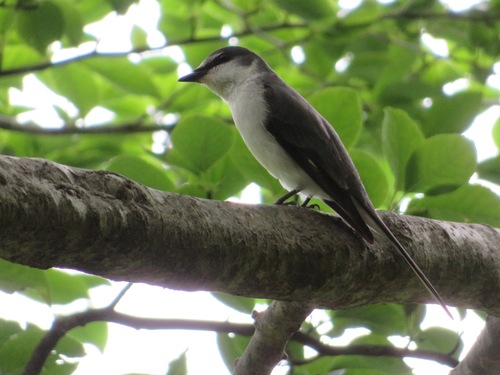 Minivet Ceniciento
En breve
La forma más confiable de separar el Minivet de las Ryukyu del Minivet Ceniciento es enfocándose en el patrón de la cabeza y la coloración general del macho: los machos del Minivet Ceniciento muestran una cara blanca llamativa con una nuca y una gorra negras, mientras que el Minivet de las Ryukyu carece de este contraste audaz. Ambas especies son similares en tamaño y estructura, pero el Minivet Ceniciento es ligeramente más pesado y más largo. Las hembras son más desafiantes, pero las hembras del Minivet Ceniciento tienen una línea negra distintiva entre el pico y el ojo con una banda blanca estrecha arriba, que el Minivet de las Ryukyu carece. Ambas especies están estrechamente relacionadas y pueden ser confusas, especialmente en Japón donde sus rangos se superponen, pero prestar atención cuidadosa al patrón de la cabeza y a las diferencias sutiles en el plumaje ayudará a confirmar la identificación.
Consejos de identificación
- Patrón de cabeza del macho: Busque la cara blanca audaz del macho del Minivet Ceniciento, la nuca negra y la gorra negra; esta es la diferencia más distintiva. Los machos del Minivet de las Ryukyu carecen de este contraste agudo y tienen una cabeza más simple.
- Patrón de cara de la hembra: La hembra del Minivet Ceniciento muestra una banda negra entre el pico y el ojo, con una banda blanca estrecha arriba; las hembras del Minivet de las Ryukyu no tienen esta combinación y parecen más simples.
- Ala superior y cola en vuelo: El Minivet Ceniciento muestra una banda blanca a través de las plumas de vuelo y plumas de cola exteriores blancas. Es probable que el Minivet de las Ryukyu muestre algo de blanco, pero no tan marcadamente. Esto es sutil y se utiliza mejor con buena luz o fotos.
- Coloración general: El Minivet Ceniciento es estrictamente gris, blanco y negro, sin amarillo, naranja o rojo. El Minivet de las Ryukyu es similar, pero los patrones de la cabeza y la cara son menos contrastantes.
- Tamaño: El Minivet Ceniciento es ligeramente más grande y pesado, pero esta no es una marca de campo confiable a menos que ambas especies se vean juntas.
- Comportamiento: Ambas especies forrajean en el dosel y pueden unirse a bandadas mixtas. Es más probable que se vea al Minivet Ceniciento en grandes grupos migratorios, especialmente fuera de la temporada de cría.
- Hábitat y rango: En las Islas Ryukyu, el Minivet de las Ryukyu es el residente por defecto. El Minivet Ceniciento es un migrante y más probable fuera de las Ryukyu o durante períodos de migración.
- Voz: Si escucha un trino metálico agudo, apunta al Minivet Ceniciento. El canto del Minivet de las Ryukyu no está descrito, por lo que la ausencia de este trino no es diagnóstica.
- Trampas de sexo y edad: Las hembras y los inmaduros de ambas especies son mucho más difíciles de separar. Enfóquese en las diferencias sutiles en el patrón de la cara y el contraste general, pero espere cierta incertidumbre.
- Trampas de plumaje: Tenga cuidado con los machos apagados o desgastados, que pueden perder algo de contraste en la cabeza, y los jóvenes, que pueden carecer de patrones claros de adultos. Use una combinación de marcas en lugar de confiar en una sola característica.
- Contexto estacional: Durante la migración, es más probable que se encuentre al Minivet Ceniciento en bandadas, mientras que el Minivet de las Ryukyu es un residente y es menos probable que se vea en grandes grupos.
- Bandadas mixtas: Ambas especies pueden unirse a bandadas de forrajeo de especies mixtas, así que no asuma que todos los minivets en un grupo son la misma especie; revise cada individuo cuidadosamente.
- Pistas geográficas: Si está en Japón continental fuera de las Ryukyu, es más probable que vea al Minivet Ceniciento, especialmente durante la migración. En las Ryukyu, el Minivet de las Ryukyu domina.
- Documentación: Cuando tenga dudas, fotografíe el patrón de la cabeza y el ala superior para revisión posterior, ya que las diferencias sutiles pueden ser más evidentes en una inspección cercana.
- Incertidumbre: Algunos individuos, especialmente hembras e inmaduros, pueden no ser identificados de manera segura en el campo sin vistas excelentes o vocalizaciones. Acepte que algunos pájaros permanecerán no identificados.
Tamaño
El Minivet Ceniciento es marginalmente más grande y pesado, con una masa corporal promedio de 24.0 g en comparación con los 21.0 g del Minivet de las Ryukyu. En el campo, esta diferencia es sutil y rara vez es diagnóstica por sí sola, ya que ambas especies son minivets delgados y de tamaño mediano-pequeño con proporciones similares. Los datos de longitud (18.5–20 cm para el Minivet Ceniciento) sugieren solo una ligera ventaja en tamaño, no fácilmente juzgada sin comparación directa.
Plumaje
- Machos adultos: Los machos del Minivet Ceniciento son grises por encima y blanquecinos por debajo, con una gorra negra bien definida, frente blanca y una cara blanca distintiva y nuca negra. Los machos del Minivet de las Ryukyu carecen del audaz contraste de cara blanca y nuca negra; su patrón de cabeza es generalmente menos marcado.
- Hembras adultas: Las hembras del Minivet Ceniciento tienen una gorra gris, una banda negra entre el pico y el ojo, y una banda blanca estrecha arriba de esto. Las hembras del Minivet de las Ryukyu no muestran esta combinación; su patrón facial es más simple y menos contrastante.
- Ala superior y cola: El Minivet Ceniciento muestra una banda blanca a través de las plumas de vuelo y plumas de cola exteriores blancas. No se describe un patrón específico de ala superior o cola contrastante para el Minivet de las Ryukyu, pero se espera que ambos muestren algo de blanco en las alas y la cola típico de los minivets.
- Juvenil/inmaduro: No se dan diferencias específicas de patrón de ala superior o vuelo según la edad en las fuentes, por lo que la separación de los jóvenes depende del tono general y el patrón de la cabeza, que son menos distintos que en los adultos.
Comportamiento
Ambas especies forrajean activamente en el dosel en busca de insectos y frecuentemente se unen a bandadas de especies mixtas. Se nota que el Minivet Ceniciento forma grandes bandadas migratorias, especialmente durante el paso. El Minivet de las Ryukyu, siendo endémico de Japón, es menos probable que se vea en grandes grupos migratorios. En general, su comportamiento de forrajeo y vuelo es similar y no se puede separar de manera confiable en el campo.
Hábitat
El Minivet Ceniciento tiene un amplio rango, reproduciéndose en el noreste de Asia y invernando tan al sur como el sudeste asiático y Filipinas. Utiliza bosques y áreas abiertas con árboles dispersos, y a menudo se ve como un migrante en una variedad de hábitats boscosos. El Minivet de las Ryukyu es endémico de Japón, especialmente de las Islas Ryukyu, y tiene un rango más restringido. Puede haber superposición de hábitat en el sur de Japón, pero se espera que el Minivet de las Ryukyu sea el residente en las Ryukyu, mientras que el Minivet Ceniciento es más probable que sea un migrante o un ave de paso en otros lugares.
Voz
El Minivet Ceniciento emite un trino metálico agudo. No se describe ninguna vocalización distintiva para el Minivet de las Ryukyu en las fuentes disponibles, por lo que la voz no es un separador confiable a menos que se escuche claramente el trino del Minivet Ceniciento y se sepa que el Minivet de las Ryukyu carece de él.
Minivet de las Ryukyu · Minivet Ceniciento · Mis aves difíciles