

Ryukyu Minivet vs Ashy Minivet
Pericrocotus tegimae contro Pericrocotus divaricatus
Fai un quiz con Ryukyu Minivet e Ashy Minivet
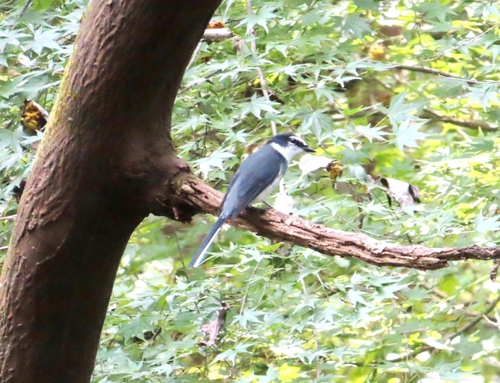 Ryukyu Minivet
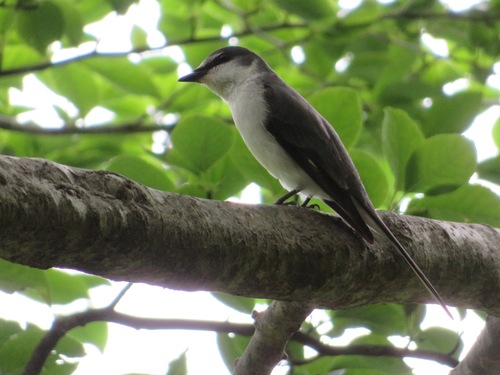 Ashy Minivet
In breve
Il modo più affidabile per separare il Ryukyu Minivet dall'Ashy Minivet è concentrarsi sul motivo della testa del maschio e sulla colorazione generale: i maschi dell'Ashy Minivet mostrano un volto bianco sorprendente con una nuca e un berretto neri, mentre il Ryukyu Minivet manca di questo forte contrasto. Entrambe le specie sono simili in dimensioni e struttura, ma l'Ashy Minivet è leggermente più pesante e lungo. Le femmine sono più difficili da distinguere, ma le femmine dell'Ashy Minivet hanno una linea nera distintiva tra il becco e l'occhio con una stretta banda bianca sopra, che il Ryukyu manca. Entrambe le specie sono strettamente correlate e possono essere confuse, specialmente in Giappone dove i loro areali si sovrappongono, ma prestando attenzione al motivo della testa e alle sottili differenze nel piumaggio si può aiutare a identificare.
Consigli di identificazione
- Male head pattern: Cerca il volto bianco audace del maschio dell'Ashy Minivet, la nuca nera e il berretto nero—questa è la differenza più distintiva. I maschi del Ryukyu Minivet mancano di questo forte contrasto e hanno una testa più semplice.
- Female face pattern: La femmina dell'Ashy Minivet mostra una banda nera tra il becco e l'occhio, con una stretta banda bianca sopra; le femmine del Ryukyu Minivet non hanno questa combinazione e appaiono più semplici.
- Upperwing and tail in flight: L'Ashy Minivet mostra una banda bianca sulle penne alari e penne della coda esterne bianche. Il Ryukyu Minivet probabilmente mostra un po' di bianco, ma non così nettamente marcato. Questo è sottile e meglio utilizzato in buona luce o foto.
- Overall coloration: L'Ashy Minivet è rigorosamente grigio, bianco e nero, senza giallo, arancione o rosso. Il Ryukyu Minivet è simile, ma i motivi della testa e del volto sono meno contrastanti.
- Size: L'Ashy Minivet è leggermente più grande e pesante, ma questo non è un segno affidabile sul campo a meno che entrambe le specie non siano viste insieme.
- Behavior: Entrambe le specie si nutrono nella chioma e possono unirsi a stormi misti. L'Ashy Minivet è più probabile che venga visto in grandi gruppi migratori, specialmente al di fuori della stagione di riproduzione.
- Habitat and range: Nelle Isole Ryukyu, il Ryukyu Minivet è il residente predefinito. L'Ashy Minivet è un migratore e più probabile al di fuori delle Ryukyu o durante i periodi di migrazione.
- Voice: Se senti un trill metallico ad alta frequenza, indica l'Ashy Minivet. Il richiamo del Ryukyu Minivet non è descritto, quindi l'assenza di questo trill non è diagnostica.
- Sex and age pitfalls: Le femmine e gli immaturi di entrambe le specie sono molto più difficili da separare. Concentrati su sottili differenze nel motivo del volto e nel contrasto generale, ma aspettati un po' di incertezza.
- Plumage pitfalls: Fai attenzione ai maschi opachi o usurati, che possono perdere parte del contrasto della testa, e ai giovani uccelli, che possono mancare di chiari motivi adulti. Usa una combinazione di segni piuttosto che fare affidamento su una singola caratteristica.
- Seasonal context: Durante la migrazione, l'Ashy Minivet è più probabile che venga incontrato in stormi, mentre il Ryukyu Minivet è un residente e meno probabile che venga visto in grandi gruppi.
- Mixed flocks: Entrambe le specie possono unirsi a stormi di foraggiamento misti, quindi non assumere che tutti i minivet in un gruppo siano la stessa specie—controlla attentamente ogni individuo.
- Geographical clues: Se sei nel Giappone continentale al di fuori delle Ryukyu, è più probabile che tu veda l'Ashy Minivet, specialmente durante la migrazione. Nelle Ryukyu, il Ryukyu Minivet domina.
- Documentation: Quando hai dei dubbi, fotografa il motivo della testa e dell'ala superiore per una revisione successiva, poiché sottili differenze possono essere più evidenti a un'ispezione ravvicinata.
- Uncertainty: Alcuni individui, specialmente femmine e immaturi, potrebbero non essere identificabili in modo sicuro sul campo senza ottime viste o vocalizzazioni. Accetta che alcuni uccelli rimarranno non identificati.
Taglia
L'Ashy Minivet è marginalmente più grande e pesante, con una massa corporea media di 24.0 g rispetto ai 21.0 g del Ryukyu Minivet. Sul campo, questa differenza è sottile e raramente diagnostica da sola, poiché entrambe le specie sono minivet snelli e di dimensioni medio-piccole con proporzioni simili. I dati sulla lunghezza (18.5–20 cm per l'Ashy Minivet) suggeriscono solo un leggero vantaggio in dimensioni, non facilmente giudicabile senza un confronto diretto.
Piumaggio
- Adult males: I maschi dell'Ashy Minivet sono grigi sopra e biancastri sotto, con un berretto nero ben definito, una fronte bianca e un volto bianco distintivo e una nuca nera. I maschi del Ryukyu Minivet mancano del forte contrasto tra il volto bianco e la nuca nera; il loro motivo della testa è generalmente meno nettamente marcato.
- Adult females: Le femmine dell'Ashy Minivet hanno un berretto grigio, una banda nera tra il becco e l'occhio, e una stretta banda bianca sopra. Le femmine del Ryukyu Minivet non mostrano questa combinazione; il loro motivo facciale è più semplice e meno contrastante.
- Upperwing and tail: L'Ashy Minivet mostra una banda bianca sulle penne alari e penne della coda esterne bianche. Non è descritto alcun motivo specifico di contrasto per l'ala superiore o la coda del Ryukyu Minivet, ma entrambi si prevede mostrino un po' di bianco nelle ali e nella coda tipica dei minivet.
- Juvenile/immature: Non sono date differenze specifiche di età per l'ala superiore o il motivo di volo nelle fonti, quindi la separazione dei giovani uccelli si basa sul tono generale e sul motivo della testa, che sono meno distintivi rispetto agli adulti.
Comportamento
Entrambe le specie si nutrono attivamente nella chioma per insetti e si uniscono frequentemente a stormi misti. L'Ashy Minivet è noto per formare grandi stormi migratori, specialmente durante il passaggio. Il Ryukyu Minivet, essendo endemico del Giappone, è meno probabile che venga visto in grandi gruppi migratori. In generale, il loro comportamento di foraggiamento e volo è simile e non è affidabilmente separabile sul campo.
Habitat
L'Ashy Minivet ha un ampio areale, nidificando nel nord-est asiatico e svernando fino a sud-est asiatico e Filippine. Utilizza foreste e aree aperte con alberi sparsi, ed è spesso visto come migratore in una varietà di habitat boschivi. Il Ryukyu Minivet è endemico del Giappone, specialmente delle Isole Ryukyu, ed è più ristretto nel suo areale. Può verificarsi sovrapposizione degli habitat nel sud del Giappone, ma il Ryukyu Minivet è il residente previsto nelle Ryukyu, mentre l'Ashy Minivet è più probabile che sia un migratore o un uccello di passaggio altrove.
Voce
L'Ashy Minivet emette un trill metallico ad alta frequenza. Nessuna vocalizzazione distintiva è descritta per il Ryukyu Minivet nelle fonti disponibili, quindi la voce non è un separatore affidabile a meno che il trill dell'Ashy Minivet non venga sentito chiaramente e si sappia che il Ryukyu manca di esso.