

Motmot

リュウキュウサンショウクイ 対 サンショウクイ

Pericrocotus tegimae 対 Pericrocotus divaricatus

リュウキュウサンショウクイとサンショウクイのクイズ
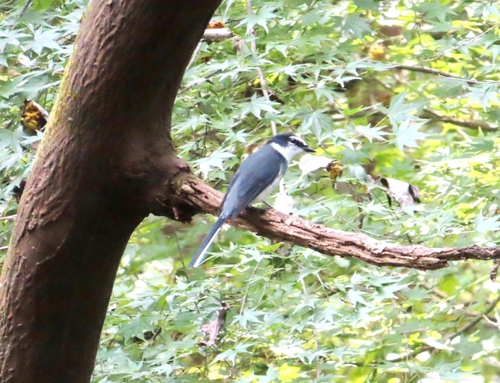
リュウキュウサンショウクイ (Pericrocotus tegimae) リュウキュウサンショウクイ
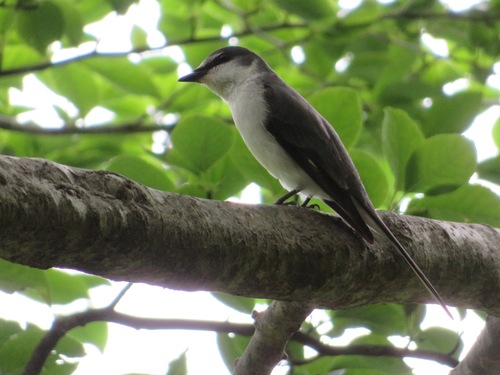
サンショウクイ (Pericrocotus divaricatus) サンショウクイ

メディア

読み込み中…

要点

リュウキュウサンショウクイとサンショウクイを分ける最も信頼できる方法は、オスの頭の模様と全体の色合いに注目することです:サンショウクイのオスは、黒い後頭部と帽子を持つ際立った白い顔を示しますが、リュウキュウサンショウクイにはこの鮮やかなコントラストがありません。両種はサイズと構造が似ていますが、サンショウクイはわずかに重く、長いです。メスはより難しいですが、サンショウクイのメスはくちばしと目の間に特徴的な黒い線があり、その上に狭い白い帯がありますが、リュウキュウにはこれがありません。両種は密接に関連しており、特に日本では分布が重なるため混乱を招くことがありますが、頭の模様と微妙な羽毛の違いに注意を払うことで、識別が助けられます。

識別のコツ

  1. Male head pattern: サンショウクイのオスの際立った白い顔、黒い後頭部、黒い帽子を探してください—これが最も特徴的な違いです。リュウキュウサンショウクイのオスはこの鮮やかなコントラストがなく、より地味な頭を持っています。
  2. Female face pattern: サンショウクイのメスは、くちばしと目の間に黒い帯を示し、その上に狭い白い帯があります;リュウキュウサンショウクイのメスにはこの組み合わせがなく、より地味に見えます。
  3. Upperwing and tail in flight: サンショウクイは飛行羽に白い帯と白い外尾羽を示します。リュウキュウサンショウクイはおそらくいくつかの白を示しますが、そこまで鮮やかには示しません。これは微妙で、良い光や写真で使用するのが最適です。
  4. Overall coloration: サンショウクイは厳密に灰色、白、黒で、黄色、オレンジ、赤はありません。リュウキュウサンショウクイも似ていますが、頭と顔の模様はコントラストが少ないです。
  5. Size: サンショウクイはわずかに大きく、重いですが、これは両種が一緒に見られない限り信頼できるフィールドマークではありません。
  6. Behavior: 両種は樹冠で採餌し、混合群に参加することがあります。サンショウクイは特に繁殖シーズン外で、大きな移動群で見られる可能性が高いです。
  7. Habitat and range: リュウキュウ諸島では、リュウキュウサンショウクイがデフォルトの居住者です。サンショウクイは移動者で、リュウキュウの外や移動期間中に見られる可能性が高いです。
  8. Voice: 高音の金属的なトリルが聞こえた場合、それはサンショウクイを指します。リュウキュウサンショウクイの鳴き声は記載されていないため、このトリルがないことは診断的ではありません。
  9. Sex and age pitfalls: 両種のメスと幼鳥は分けるのがはるかに難しいです。顔の模様と全体のコントラストの微妙な違いに注目してくださいが、いくつかの不確実性があることを期待してください。
  10. Plumage pitfalls: 地味または摩耗したオスには注意してください。これらは頭のコントラストを失う可能性があり、若い鳥は明確な成鳥の模様が欠けていることがあります。単一の特徴に頼るのではなく、マークの組み合わせを使用してください。
  11. Seasonal context: 移動中、サンショウクイは群れで遭遇する可能性が高いですが、リュウキュウサンショウクイは居住者であり、大きな群れで見られる可能性は低いです。
  12. Mixed flocks: 両種は混合種の採餌群に参加することがあるため、グループ内のすべてのサンショウクイが同じ種であるとは限りません—各個体を注意深く確認してください。
  13. Geographical clues: リュウキュウの外の本州日本にいる場合、サンショウクイの方が可能性が高いです、特に移動中。リュウキュウでは、リュウキュウサンショウクイが優勢です。
  14. Documentation: 疑わしい場合は、後で確認するために頭と上羽の模様を写真に撮ってください。微妙な違いは、近くでの検査でより明らかになることがあります。
  15. Uncertainty: 特にメスと幼鳥の一部は、優れた視界や鳴き声がない限り、フィールドで安全に識別できない場合があります。いくつかの鳥は識別されないままであることを受け入れてください。

大きさ

サンショウクイはわずかに大きく、重く、平均体重は24.0 gで、リュウキュウサンショウクイは21.0 gです。フィールドでは、この違いは微妙で、単独では診断的ではありません。両種はスリムで中小型のサンショウクイで、比例が似ています。長さデータ(サンショウクイは18.5–20 cm)は、サイズにおいてわずかな優位性を示唆していますが、直接比較なしでは簡単には判断できません。

羽色

行動

両種は樹冠で昆虫を積極的に採餌し、混合種の群れに頻繁に参加します。サンショウクイは特に移動中に大きな移動群を形成することで知られています。リュウキュウサンショウクイは日本固有種であり、大きな移動群で見られる可能性は低いです。一般的に、彼らの採餌と飛行行動は似ており、フィールドで信頼できるように分けることはできません。

生息環境

サンショウクイは広範な範囲を持ち、北東アジアで繁殖し、東南アジアやフィリピンまで南下します。森林や散在する木々のある開けた地域を利用し、さまざまな森林生息地で移動者としてしばしば見られます。リュウキュウサンショウクイは日本固有種で、特にリュウキュウ諸島に生息し、範囲がより制限されています。南日本では生息地の重複が発生することがありますが、リュウキュウではリュウキュウサンショウクイが期待される居住者であり、サンショウクイは他の場所で移動者または通過鳥である可能性が高いです。

声

サンショウクイは高音の金属的なトリルを出します。利用可能なソースにはリュウキュウサンショウクイの特徴的な鳴き声は記載されていないため、サンショウクイのトリルがはっきりと聞こえ、リュウキュウがそれを欠いていることが知られていない限り、声は信頼できる分離要因ではありません。

より良い説明を送る

比較と同じ項目を使ってください。文章はすぐに公開されます。

The most reliable way to separate Ryukyu Minivet from Ashy Minivet is by focusing on the male's head pattern and overall coloration: Ashy Minivet males show a striking white face with a black nape and cap, while Ryukyu Minivet lacks this bold contrast. Both species are similar in size and structure, but Ashy Minivet is slightly heavier and longer. Females are more challenging, but Ashy Minivet females have a distinctive black line between the bill and eye with a narrow white band above it, which Ryukyu lacks. Both species are closely related and can be confusing, especially in Japan where their ranges overlap, but careful attention to head pattern and subtle plumage differences will help clinch the ID.

  1. Male head pattern: Look for the Ashy Minivet male's bold white face, black nape, and black cap—this is the most distinctive difference. Ryukyu Minivet males lack this sharp contrast and have a plainer head.
  2. Female face pattern: Female Ashy Minivet shows a black band between the bill and eye, with a narrow white band above; Ryukyu Minivet females do not have this combination and appear plainer.
  3. Upperwing and tail in flight: Ashy Minivet shows a white band across the flight feathers and white outer tail feathers. Ryukyu Minivet likely shows some white, but not as sharply marked. This is subtle and best used in good light or photos.
  4. Overall coloration: Ashy Minivet is strictly grey, white, and black, with no yellow, orange, or red. Ryukyu Minivet is similar, but the head and face patterns are less contrasting.
  5. Size: Ashy Minivet is slightly larger and heavier, but this is not a reliable field mark unless both species are seen together.
  6. Behavior: Both species forage in the canopy and may join mixed flocks. Ashy Minivet is more likely to be seen in large migrant groups, especially outside the breeding season.
  7. Habitat and range: In the Ryukyu Islands, Ryukyu Minivet is the default resident. Ashy Minivet is a migrant and more likely outside the Ryukyus or during migration periods.
  8. Voice: If you hear a high-pitched, metallic trill, it points to Ashy Minivet. Ryukyu Minivet's call is not described, so absence of this trill is not diagnostic.
  9. Sex and age pitfalls: Females and immatures of both species are much harder to separate. Focus on subtle differences in face pattern and overall contrast, but expect some uncertainty.
  10. Plumage pitfalls: Beware of dull or worn males, which may lose some head contrast, and young birds, which may lack clear adult patterns. Use a combination of marks rather than relying on a single feature.
  11. Seasonal context: During migration, Ashy Minivet is more likely to be encountered in flocks, while Ryukyu Minivet is a resident and less likely to be seen in large groups.
  12. Mixed flocks: Both species may join mixed-species foraging flocks, so do not assume all minivets in a group are the same species—check each individual carefully.
  13. Geographical clues: If you are in mainland Japan outside the Ryukyus, Ashy Minivet is more likely, especially in migration. In the Ryukyus, Ryukyu Minivet dominates.
  14. Documentation: When in doubt, photograph the head and upperwing pattern for later review, as subtle differences may be more apparent on close inspection.
  15. Uncertainty: Some individuals, especially females and immatures, may not be safely identified in the field without excellent views or vocalizations. Accept that some birds will remain unidentified.

Ashy Minivet is marginally larger and heavier, with an average body mass of 24.0 g compared to Ryukyu Minivet's 21.0 g. In the field, this difference is subtle and rarely diagnostic on its own, as both species are slim, medium-small minivets with similar proportions. Length data (18.5–20 cm for Ashy Minivet) suggests only a slight edge in size, not easily judged without direct comparison.

  • Adult males: Ashy Minivet males are grey above and whitish below, with a sharply defined black cap, white forehead, and a distinctive white face and black nape. Ryukyu Minivet males lack the bold white face and black nape contrast; their head pattern is generally less sharply marked.
  • Adult females: Ashy Minivet females have a grey cap, a black band between the bill and eye, and a narrow white band above this. Ryukyu Minivet females do not show this combination; their facial pattern is plainer and less contrasting.
  • Upperwing and tail: Ashy Minivet shows a white band across the flight feathers and white outer tail feathers. No specific contrasting upperwing or tail pattern is described for Ryukyu Minivet, but both are expected to show some white in the wings and tail typical of minivets.
  • Juvenile/immature: No detailed age-specific upperwing or flight pattern differences are given in the sources, so separation of young birds relies on overall tone and head pattern, which are less distinct than in adults.

Both species forage actively in the canopy for insects and frequently join mixed-species flocks. Ashy Minivet is noted for forming large migrant flocks, especially during passage. Ryukyu Minivet, being endemic to Japan, is less likely to be seen in large migratory groups. In general, their foraging and flight behavior are similar and not reliably separable in the field.

Ashy Minivet has a broad range, breeding in northeast Asia and wintering as far south as Southeast Asia and the Philippines. It uses forests and open areas with scattered trees, and is often seen as a migrant in a variety of wooded habitats. Ryukyu Minivet is endemic to Japan, especially the Ryukyu Islands, and is more restricted in range. Habitat overlap can occur in southern Japan, but Ryukyu Minivet is the expected resident in the Ryukyus, while Ashy Minivet is more likely a migrant or passage bird elsewhere.

Ashy Minivet gives a high-pitched, metallic trill. No distinctive vocalization is described for Ryukyu Minivet in the available sources, so voice is not a reliable separator unless Ashy Minivet's trill is heard clearly and Ryukyu is known to lack it.

変更を破棄しますか?

保存していない編集があります。今離れると失われます。

リュウキュウサンショウクイ · サンショウクイ · 苦手な鳥