

pine siskin vs american goldfinch
Spinus pinus versus Spinus tristis
Jogue um quiz com pine siskin e american goldfinch
 pine siskin
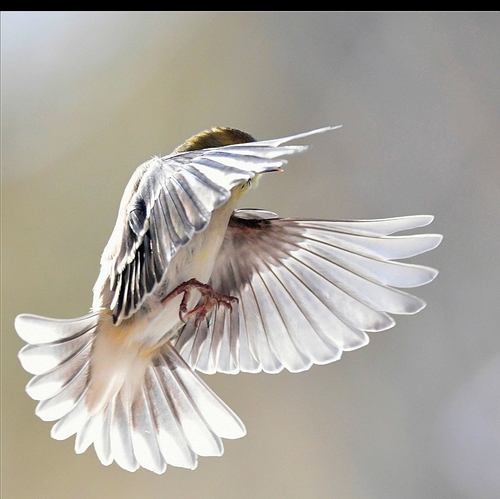 american goldfinch
Em resumo
A marca de campo mais confiável para separar o pine siskin do american goldfinch é a estriação pesada em toda a parte inferior do siskin, presente em todas as idades e estações, em contraste com o peito e a barriga limpos e sem estrias do goldfinch. Em voo ou empoleirado, o pine siskin é um tentilhão marrom sem graça e estriado, com flashes amarelos variáveis nas asas e na cauda, enquanto o american goldfinch—especialmente os machos adultos no verão—é amarelo brilhante com asas e gorro pretos, ou um marrom-oliva mais apagado, mas ainda com a barriga limpa no inverno e nos juvenis. O formato do bico também é útil: o pine siskin tem um bico mais longo, mais fino e mais pontudo, enquanto o bico do american goldfinch é mais curto e mais grosso. Ambos são semelhantes em tamanho, mas sua estrutura e plumagem são distintas com uma observação cuidadosa.
Dicas de identificação
- Estriação na parte inferior: O pine siskin é fortemente estriado na parte inferior em todas as idades e estações; o american goldfinch é sempre com a barriga limpa e sem estrias, mesmo em juvenis e aves de inverno.
- Formato do bico: O pine siskin tem um bico mais longo, mais fino e mais pontudo com um culmen reto; o bico do american goldfinch é mais curto, mais grosso e cônico, muitas vezes com uma cor rosa ou laranja dependendo da estação.
- Faixas nas asas: O pine siskin apresenta faixas brancas estreitas e amareladas; o american goldfinch tem marcas de asas brancas mais largas e brilhantes (especialmente em adultos), e em juvenis, as marcas nas asas são amareladas, mas ainda mais ousadas que as do siskin.
- Amarelo nas asas e na cauda: Ambos podem mostrar flashes amarelos, mas no pine siskin estes são variáveis e muitas vezes limitados à base das primárias e da cauda; no american goldfinch, o amarelo é extenso nos machos adultos (corpo e face), mas não nas asas (que são pretas com marcas brancas).
- Cor geral: O pine siskin é sempre marrom sem graça e estriado; os machos do american goldfinch no verão são amarelos brilhantes com gorro e asas pretas, enquanto as fêmeas e os machos não reprodutores são marrons-oliva por cima, pálidos por baixo e nunca estriados.
- Formato da cauda: Ambos têm caudas recortadas, mas a do pine siskin é mais curta e mais profundamente bifurcada; a cauda do goldfinch é curta e menos visivelmente bifurcada.
- Padrão da cabeça: O macho do american goldfinch no verão tem um gorro preto sólido; o pine siskin nunca mostra um gorro preto.
- Face e supercílios: O pine siskin não possui um padrão facial forte; o american goldfinch (especialmente os machos) tem um rosto amarelo mais brilhante e, nos machos em reprodução, um gorro preto contrastante.
- Estilo de voo: O goldfinch tem um voo ondulante distinto com chamadas frequentes; o voo do siskin é mais direto e menos saltitante.
- Voz: O goldfinch emite chamadas e canções doces e rolantes; as chamadas do siskin são zumbidoras, ascendentes e menos musicais.
- Contexto do habitat: O pine siskin é mais provável de ser encontrado em florestas de coníferas ou alto nas árvores; o goldfinch é mais provável de ser encontrado em campos abertos, áreas com ervas daninhas ou em comedouros com sementes de cardo/nyjer.
- Aparência sazonal: Os machos do goldfinch são inconfundíveis no verão; no inverno, ambos os sexos tornam-se mais apagados, mas o goldfinch permanece sem estrias na parte inferior.
- Confusão juvenil: Os juvenis do goldfinch são pálidos e sem estrias na parte inferior, com marcas de asas amareladas; os juvenis do siskin são estriados na parte inferior e têm faixas de asas mais estreitas e pálidas.
- Morfologia rara do siskin verde: Se você encontrar um siskin esverdeado, verifique se há coberturas amarelas na cauda (não brancas), ausência de supercílios amarelos e alguma estriação abaixo—ainda diferente de qualquer goldfinch.
- Composição do bando: Bandos mistos em comedouros podem conter ambos; use a estriação da parte inferior e o formato do bico para diferenciá-los rapidamente.
Tamanho
Ambas as espécies são muito semelhantes em tamanho: 11–14 cm (4.3–5.5 in) de comprimento e 18–22 cm (7.1–8.7 in) de envergadura para o pine siskin, e 11–14 cm (4.3–5.5 in) de comprimento com uma envergadura de 19–22 cm (7.5–8.7 in) para o american goldfinch. O peso também se sobrepõe (pine siskin 12–18 g, goldfinch 11–20 g) [wikipedia][avonet]. No campo, o tamanho não é um separador confiável. No entanto, o pine siskin muitas vezes parece mais magro e mais alongado devido ao seu bico mais longo e construção mais esbelta, enquanto o american goldfinch é mais compacto e com cabeça arredondada.
Plumagem
-
Juvenis/aves de primeiro ano: Os juvenis do pine siskin são fortemente estriados na parte inferior, com uma cor de fundo suja ou amarelada e faixas de asas estreitas e pálidas (brancas amareladas); os flashes amarelos nas asas e na cauda são variáveis, mas geralmente presentes. Os juvenis do american goldfinch são sem estrias na parte inferior, com um lado inferior amarelo pálido, costas marrons opacas e marcas de asas amareladas; suas asas e cauda são pretas opacas, não marrons, com marcas pálidas (não brilhantes). Nenhum goldfinch de qualquer idade apresenta estriação extensa na parte inferior.
-
Machos adultos (reprodução): Os machos do american goldfinch são inconfundivelmente amarelos limão brilhante com um gorro preto, asas pretas com marcas brancas ousadas e um rabo branco. O pine siskin nunca mostra essa combinação; permanece marrom estriado com flashes amarelos nas asas e na cauda, mas nunca totalmente amarelo.
-
Fêmeas adultas e machos não reprodutores: As fêmeas do american goldfinch e os machos de inverno são marrons-oliva por cima, pálidos por baixo, com um rosto e babador amarelados, mas ainda carecem de estriação na parte inferior. O pine siskin permanece fortemente estriado durante todo o ano, com apenas uma leve coloração amarelada, no máximo. As faixas do siskin são mais estreitas e pálidas (brancas amareladas) em comparação com as marcas de asas brancas mais ousadas do goldfinch.
-
Morfologias raras: A morfologia verde do pine siskin é extremamente rara (<1%) e pode mostrar mais amarelo, mas ainda difere do goldfinch por ter coberturas amarelas na cauda, sem supercílios amarelos e alguma estriação abaixo.
Comportamento
Ambas as espécies forrageiam em bandos, muitas vezes juntas no inverno. O pine siskin é mais propenso a se alimentar alto em coníferas e se mover inquietamente através das copas das árvores, às vezes pendurado de cabeça para baixo. O american goldfinch é mais frequentemente visto se alimentando das cabeças de sementes de ervas daninhas e girassóis, e é menos provável que forrage em folhagens densas de coníferas. Em voo, o goldfinch tem um voo ondulante distinto (montanha-russa) com notas de chamadas frequentes, enquanto o voo do siskin é mais direto e menos saltitante.
Habitat
Ambas as espécies são amplamente distribuídas e podem ser encontradas juntas, especialmente em bandos de inverno em comedouros ou campos com ervas daninhas. O pine siskin está mais intimamente ligado a florestas de coníferas e mistas, especialmente na estação de reprodução, e é altamente irruptivo—às vezes ausente, às vezes abundante. O american goldfinch prefere campos abertos, áreas com ervas daninhas e bordas de florestas, e é menos provável que seja encontrado profundamente em florestas de coníferas. O habitat sozinho não é diagnóstico, mas o contexto pode ajudar.
Voz
O american goldfinch emite uma chamada de voo distinta e musical frequentemente representada como "per-chic-o-ree" ou "tsee-tsi-tsi-tsit," e uma canção doce e trêmula. As chamadas do pine siskin são mais altas, mais agudas e mais zumbidoras ou ásperas, frequentemente descritas como um "zzzzzzreee" ou "zzzzzzip" ascendente. Os siskins podem soar mais frenéticos e menos musicais do que os goldfinches. Se você ouvir uma canção clara, doce e rolante ou a clássica chamada de voo "batata frita", pense em goldfinch; se as chamadas forem zumbidoras ou arranhadas, pense em siskin.