

Motmot

マツノキヒワ 対 オウゴンヒワ

Spinus pinus 対 Spinus tristis

マツノキヒワとオウゴンヒワのクイズ

マツノキヒワ (Spinus pinus) マツノキヒワ
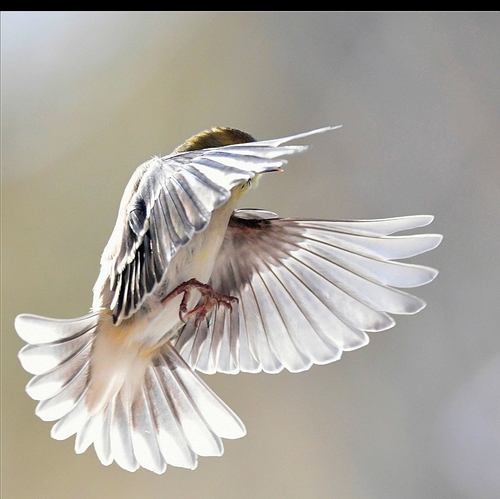
オウゴンヒワ (Spinus tristis) オウゴンヒワ

メディア

読み込み中…

要点

アメリカオウゴンヒワとマツノキヒワを区別する最も信頼できるフィールドマークは、マツノキヒワの腹部全体に見られる重い縞模様で、すべての年齢と季節に存在します。一方、オウゴンヒワは胸と腹がきれいで縞模様がありません。飛んでいる時や止まっている時、マツノキヒワは地味で縞模様のある茶色のヒワで、翼と尾に変動する黄色のフラッシュがありますが、アメリカオウゴンヒワは特に夏の成鳥オスは明るい黄色で、黒い翼と帽子を持ち、冬や幼鳥では鈍いオリーブブラウンですが、腹はきれいです。くちばしの形も役立ちます:マツノキヒワは長くて細く、先が尖ったくちばしを持ち、アメリカオウゴンヒワは短くて太いです。両者はサイズが似ていますが、構造と羽毛は注意深く観察すると異なります。

識別のコツ

  1. Underpart streaking: マツノキヒワはすべての年齢と季節で腹部に重い縞模様があり、アメリカオウゴンヒワは常にきれいで縞模様がありません、幼鳥や冬の鳥でも同様です。
  2. Bill shape: マツノキヒワは長くて細く、先が尖ったくちばしを持ち、アメリカオウゴンヒワのくちばしは短くて太く、円錐形で、季節によってはピンクやオレンジの色を持つことがあります。
  3. Wingbars: マツノキヒワは狭い淡い白の翼帯を示します;アメリカオウゴンヒワは広い明るい白の翼の模様を持ち(特に成鳥で)、幼鳥では翼の模様は淡いですが、マツノキヒワよりもはっきりしています。
  4. Yellow in wings and tail: 両者とも黄色のフラッシュを示すことがありますが、マツノキヒワではこれらは変動し、通常は初列風切と尾の基部に限られます;アメリカオウゴンヒワでは、成鳥オスの体と顔には広範囲に黄色が見られますが、翼には見られません(翼は黒で白い模様があります)。
  5. Overall color: マツノキヒワは常に地味な茶色で縞模様があります;夏のアメリカオウゴンヒワのオスは明るい黄色で黒い帽子と翼を持ち、雌や非繁殖の鳥は上がオリーブブラウンで、下は淡く、決して縞模様がありません。
  6. Tail shape: 両者とも切れ込みのある尾を持っていますが、マツノキヒワの尾は短く、より深く分かれています;オウゴンヒワの尾は短く、あまり明らかに分かれていません。
  7. Head pattern: 夏のアメリカオウゴンヒワのオスは固体の黒い帽子を持っています;マツノキヒワは黒い帽子を示しません。
  8. Face and supercilium: マツノキヒワは強い顔の模様がありません;アメリカオウゴンヒワ(特にオス)は明るい黄色の顔を持ち、繁殖期のオスでは対照的な黒い帽子があります。
  9. Flight style: オウゴンヒワは頻繁に鳴き声を発しながら独特の波状の飛行をします;マツノキヒワの飛行はより直接的で、跳ねるような動きが少ないです。
  10. Voice: オウゴンヒワは甘く、転がるような鳴き声と歌を発します;マツノキヒワの鳴き声はブザー音で、上昇し、音楽的ではありません。
  11. Habitat context: マツノキヒワは針葉樹の森や高い木の中にいる可能性が高いですが、オウゴンヒワは開けた野原や雑草の生えた場所、またはアザミ/ニジェールの種を使った餌台にいる可能性が高いです。
  12. Seasonal appearance: オウゴンヒワのオスは夏に間違いなく識別可能です;冬には両性ともに鈍くなりますが、オウゴンヒワは下が縞模様がありません。
  13. Juvenile confusion: 幼鳥のオウゴンヒワは淡く、下は縞模様がなく、淡い翼の模様があります;幼鳥のマツノキヒワは下に縞模様があり、翼帯は狭く、淡いです。
  14. Rare green siskin morph: 緑がかったマツノキヒワに出会った場合、黄色の尾羽の覆い(白ではない)、黄色のスーペリシリウムがないこと、下にいくつかの縞模様があることを確認してください—それでもオウゴンヒワとは異なります。
  15. Flock composition: 餌台での混合群れには両者が含まれることがあります;腹部の縞模様とくちばしの形を使って素早く区別してください。

大きさ

両種はサイズが非常に似ています:マツノキヒワは長さ11〜14 cm(4.3〜5.5インチ)、翼幅18〜22 cm(7.1〜8.7インチ)、アメリカオウゴンヒワは長さ11〜14 cm(4.3〜5.5インチ)、翼幅19〜22 cm(7.5〜8.7インチ)です。体重も重なります(マツノキヒワ12〜18 g、オウゴンヒワ11〜20 g)[wikipedia][avonet]。フィールドでは、サイズは信頼できる区別要因ではありません。しかし、マツノキヒワは長いくちばしと細い体型のため、しばしばスリムで細長く見え、アメリカオウゴンヒワはよりコンパクトで丸い頭を持っています。

羽色

行動

両種は群れで採餌し、冬にはしばしば一緒に見られます。マツノキヒワは針葉樹の高いところで餌を食べる可能性が高く、時には木の上で逆さまになって動き回ります。アメリカオウゴンヒワは雑草やひまわりの種の頭を食べているのがよく見られ、密な針葉樹の葉の中で採餌する可能性は低いです。飛行中、オウゴンヒワは独特の波状の(ローラーコースターのような)飛行をし、頻繁に鳴き声を発しますが、マツノキヒワの飛行はより直接的で、跳ねるような動きが少ないです。

生息環境

両種は広く分布しており、特に冬の餌台や雑草の生えた野原で一緒に見られることがあります。マツノキヒワは針葉樹や混合林に密接に関連しており、特に繁殖期には非常に突発的で、時には不在になり、時には豊富になります。アメリカオウゴンヒワは開けた野原、雑草の生えた場所、森林の端を好み、針葉樹の森の奥深くで見られる可能性は低いです。生息地だけでは診断的ではありませんが、文脈が役立つことがあります。

声

アメリカオウゴンヒワは、しばしば「per-chic-o-ree」または「tsee-tsi-tsi-tsit」と表現される独特の音楽的な飛行呼び声と、甘く、さえずるような歌を発します。マツノキヒワの呼び声は高く、鋭く、よりブザー音やざらざらした音があり、しばしば上昇する「zzzzzzreee」または「zzzzzzip」と表現されます。マツノキヒワはオウゴンヒワよりもより慌ただしく、音楽的ではないように聞こえることがあります。明確で甘く、転がるような歌やクラシックな「ポテトチップ」の飛行呼び声を聞いた場合は、オウゴンヒワを考えてください;呼び声がブザー音やざらざらした音であれば、マツノキヒワを考えてください。

より良い説明を送る

比較と同じ項目を使ってください。文章はすぐに公開されます。

The most reliable field mark to separate Pine Siskin from American Goldfinch is the heavy, all-over streaking on the siskin’s underparts, present in all ages and seasons, versus the goldfinch’s clean, unstreaked breast and belly. In flight or perched, Pine Siskin is a drab, streaky brown finch with variable yellow flashes in the wings and tail, while American Goldfinch—especially adult males in summer—is bright yellow with black wings and cap, or a duller olive-brown but still clean-bellied in winter and juveniles. Bill shape is also helpful: Pine Siskin has a longer, thinner, more pointed bill, while American Goldfinch’s is shorter and thicker. Both are similar in size, but their structure and plumage are distinct with careful observation.

  1. Underpart streaking: Pine Siskin is heavily streaked below in all ages and seasons; American Goldfinch is always clean-bellied and unstreaked, even in juveniles and winter birds.
  2. Bill shape: Pine Siskin has a longer, thinner, more pointed bill with a straight culmen; American Goldfinch’s bill is shorter, thicker, and conical, often with a pink or orange color depending on season.
  3. Wingbars: Pine Siskin shows narrow, buffish white wingbars; American Goldfinch has broader, bright white wing markings (especially in adults), and in juveniles, wing markings are buff but still bolder than siskin’s.
  4. Yellow in wings and tail: Both can show yellow flashes, but in Pine Siskin these are variable and often limited to the base of the primaries and tail; in American Goldfinch, yellow is extensive in adult males (body and face), but not in the wings (which are black with white markings).
  5. Overall color: Pine Siskin is always drab brown and streaky; American Goldfinch males in summer are bright yellow with black cap and wings, while females and nonbreeding birds are olive-brown above, pale below, and never streaked.
  6. Tail shape: Both have notched tails, but Pine Siskin’s is shorter and more deeply forked; goldfinch’s tail is short and less obviously forked.
  7. Head pattern: American Goldfinch male in summer has a solid black cap; Pine Siskin never shows a black cap.
  8. Face and supercilium: Pine Siskin lacks a strong face pattern; American Goldfinch (especially males) has a brighter yellow face and, in breeding males, a contrasting black cap.
  9. Flight style: Goldfinch has a distinctive undulating flight with frequent calls; siskin’s flight is more direct and less bouncy.
  10. Voice: Goldfinch gives sweet, rolling calls and songs; siskin calls are buzzy, rising, and less musical.
  11. Habitat context: Pine Siskin is more likely in coniferous forests or high in trees; goldfinch is more likely in open fields, weedy patches, or at feeders with thistle/nyjer seed.
  12. Seasonal appearance: Goldfinch males are unmistakable in summer; in winter, both sexes become duller, but goldfinch remains unstreaked below.
  13. Juvenile confusion: Juvenile goldfinches are pale and unstreaked below, with buffy wing markings; juvenile siskins are streaked below and have narrower, paler wingbars.
  14. Rare green siskin morph: If you encounter a greenish siskin, check for yellow undertail coverts (not white), absence of yellow supercilium, and some streaking below—still different from any goldfinch.
  15. Flock composition: Mixed flocks at feeders may contain both; use underpart streaking and bill shape to sort them quickly.

Both species are very similar in size: 11–14 cm (4.3–5.5 in) in length and 18–22 cm (7.1–8.7 in) wingspan for Pine Siskin, and 11–14 cm (4.3–5.5 in) in length with a 19–22 cm (7.5–8.7 in) wingspan for American Goldfinch. Weight overlaps as well (Pine Siskin 12–18 g, Goldfinch 11–20 g) [wikipedia][avonet]. In the field, size is not a reliable separator. However, Pine Siskin often appears slimmer and more elongated due to its longer bill and more slender build, while American Goldfinch is more compact and round-headed.

  • Juveniles/first-year birds: Pine Siskin juveniles are heavily streaked below, with a dirty or buffy ground color and narrow, pale (buffish white) wingbars; yellow flashes in the wings and tail are variable but usually present. American Goldfinch juveniles are unstreaked below, with a pale yellowish underside, dull brown back, and buff-colored wing markings; their wings and tail are dull black, not brown, with pale (not bright) markings. No goldfinch of any age shows extensive streaking on the underparts.

  • Adult males (breeding): American Goldfinch males are unmistakably bright lemon yellow with a black cap, black wings with bold white markings, and a white rump. Pine Siskin never shows this combination; it remains streaky brown with yellow flashes in the wings and tail, but never overall yellow.

  • Adult females and nonbreeding males: American Goldfinch females and winter males are olive-brown above, pale below, with a yellowish face and bib, but still lack streaking on the underparts. Pine Siskin remains heavily streaked throughout the year, with only a faint yellowish wash at best. The siskin’s wingbars are narrower and paler (buffish white) compared to the goldfinch’s bolder white wing markings.

  • Rare morphs: The green morph of Pine Siskin is extremely rare (<1%) and can show more yellow, but still differs from goldfinch by having yellow undertail coverts, no yellow supercilium, and some streaking below.

Both species forage in flocks, often together in winter. Pine Siskin is more likely to feed high in conifers and move restlessly through treetops, sometimes hanging upside down. American Goldfinch is more often seen feeding on seed heads of weeds and sunflowers, and is less likely to forage in dense coniferous foliage. In flight, goldfinch has a distinctive undulating (roller-coaster) flight with frequent call notes, while siskin’s flight is more direct and less bouncy.

Both species are widespread and can be found together, especially in winter flocks at feeders or weedy fields. Pine Siskin is more closely tied to coniferous and mixed forests, especially in the breeding season, and is highly irruptive—sometimes absent, sometimes abundant. American Goldfinch prefers open fields, weedy areas, and woodland edges, and is less likely to be found deep in coniferous forests. Habitat alone is not diagnostic, but context can help.

American Goldfinch gives a distinctive, musical flight call often rendered as "per-chic-o-ree" or "tsee-tsi-tsi-tsit," and a sweet, warbling song. Pine Siskin’s calls are higher, sharper, and more buzzy or raspy, often described as a rising "zzzzzzreee" or "zzzzzzip." Siskins can sound more frenetic and less musical than goldfinches. If you hear a clear, sweet, rolling song or the classic "potato chip" flight call, think goldfinch; if the calls are buzzy or scratchy, think siskin.

変更を破棄しますか?

保存していない編集があります。今離れると失われます。

マツノキヒワ · オウゴンヒワ · 苦手な鳥